
Brisbane's $2.3B Olympic Stadium Sparks Heritage Battle: Inspired by 'Bluey' Houses, Opposed by Conservationists
Brisbane unveiled designs for a 63,000-seat 2032 Olympic stadium inspired by Queensland's iconic suburban architecture, but conservationists and Indigenous groups are fighting the Victoria Park location, claiming it threatens thousands of years of cultural heritage and mature parkland.
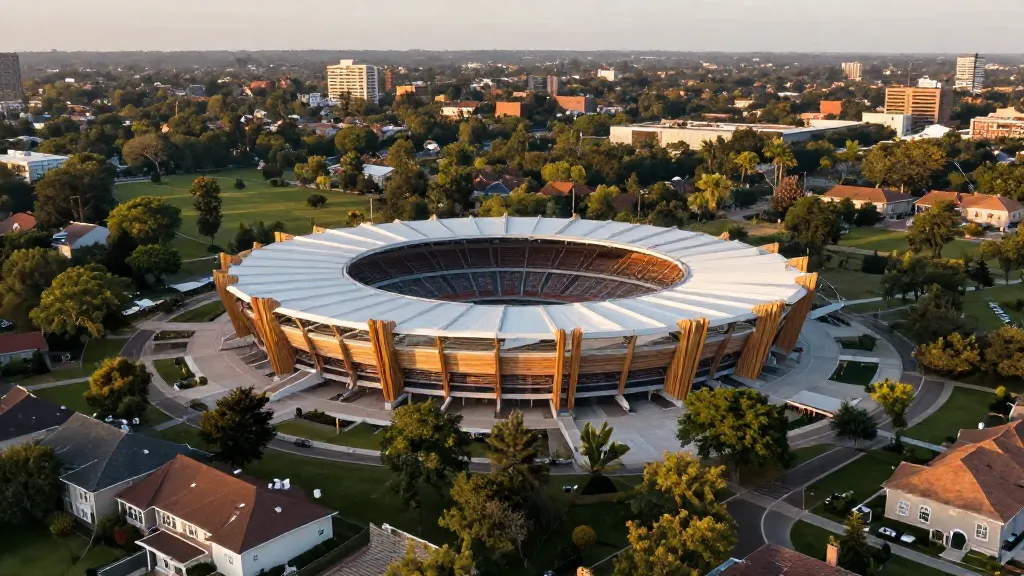
When Brisbane unveiled its $2.3 billion Olympic stadium design in early 2026, architects promised something different: a 63,000-seat venue inspired by Queensland’s charming elevated suburban homes—the kind of iconic “Queenslander” houses that fans of the cartoon “Bluey” would instantly recognize. But beneath the digital renderings and the marketing buzz lies a fierce battle over heritage, culture, and what an Olympic legacy should actually look like in the age of sustainability.
A Stadium Built on Controversy
The proposed venue is set to rise in Victoria Park, a 158-acre green space just north of central Brisbane. It sounds straightforward enough: host the 2032 Olympics, then repurpose the stadium for local sports teams and events. Except Victoria Park isn’t just any park. It’s a heritage-listed site with thousands of years of Indigenous history, mature ecosystems, and—according to conservationists—far more to lose than officials are letting on.
The debate exploded immediately after the design competition winners, Australian firms Cox Architecture and Hassell (working with Japanese practice Azusa Sekkei), were announced on Monday, January 7, 2026. Campaign group Save Victoria Park called the renderings “greenwashed computer imagery,” claiming the proposal would cause “catastrophic loss of heritage parkland.”
What’s Really at Stake?
The numbers tell different stories depending on who’s counting. Officials say the stadium will occupy just 12–13% of Victoria Park’s land. But according to a report by sustainable development researcher Dr. Neil Peach, as much as two-thirds of the park could be “destroyed,” with more than 1,200 trees potentially felled during construction.
Andrea Lunt, a spokesperson for Save Victoria Park, was blunt about what she sees happening: “There’s a marketing ploy to try and convince people that only a small part of the park will be impacted, and it’ll be covered in mature greenery. These images are basically selling a fantasy.”
What to watch for:
- The exact final location of the stadium within Victoria Park, which hasn’t been finalized
- Applications for the park’s permanent legal protection, still being evaluated by the Federal Government
- Save Victoria Park’s planned public protest later in January
- How the architects engage with Indigenous communities through their hired consultancy, Backlash
The Indigenous Question
Long before it was a golf course (which it was for most of the last century), Victoria Park—known by its Indigenous name, Barrambin, meaning “the windy place” in the Turrbal peoples’ language—was a gathering place for Aboriginal communities for thousands of years.
In August 2025, the Indigenous nonprofit Yagara Magandjin Aboriginal Corporation lodged an application for the park’s permanent legal protection. Yagarabul elder Gaja Kerry Charlton was clear about the stakes: “We are very concerned there are ancient trees, artifacts and very important eco-systems existing there. There may be ancestral remains. We stand resolute in our responsibility to protect it.”
The architects say they’ve hired Backlash, an Indigenous-owned consultancy, to guide “meaningful and ongoing First Nations engagement.” Cox Architecture’s director Richard Coulson told CNN he looks forward to stakeholder consultation now that the firm has been appointed. But for many, consultation after the design is already chosen feels like closing the barn door after the horses have escaped.
The Bluey Factor: Design Inspiration or Marketing Gimmick?
So why the “Bluey” connection? The stadium’s design draws from traditional Queenslander architecture—those distinctive elevated wooden homes with wraparound verandas that define the state’s residential landscape. Hassell’s managing principal Lucy O’Driscoll explained the thinking: verandas are “neither inside nor outside,” creating spaces people genuinely enjoy occupying. The architects wanted to translate that into a stadium that “breathes,” with walkable platforms and a facade designed to feel less imposing.
It’s architecturally thoughtful, and it’s also undeniably good marketing. The Bluey connection—the show is beloved globally and set in Brisbane—gives the project cultural cachet. But it also raises a question: Is this design philosophy genuine, or is it a way to make a major construction project in a heritage park feel more palatable?
The Political Flip-Flop
Brisbane’s path to this moment has been messy. The city was awarded Olympic hosting rights in 2021 with an unprecedented 11-year preparation window. Officials initially proposed upgrading The Gabba, the city’s largest cricket stadium, but the price tag drew heavy criticism.
Then came the 2023 recommendation for Victoria Park—at an even higher cost of 3.4 billion Australian dollars ($2.3 billion USD). Premier Steven Miles rejected it. Opposition leader David Crisafulli campaigned against building any new stadium. But once Crisafulli won the election and became Premier, he reversed course, backing the Victoria Park plan after his own government review recommended it.
Queensland’s current deputy premier, Jarrod Bleijie, hasn’t minced words about the opposition. At the design announcement press conference, he dismissed Save Victoria Park as “loopy” and its members as “nimbys who don’t want anything to happen.” He also pointed to the park’s recent history: it was converted from a golf course into a public park only in 2021. “They believe this park has been activated for years. It wasn’t. It was a golf course. Before it was a golf course, it was a dump, for goodness sake,” he said.
It’s a fair point about the site’s recent past. But it sidesteps the deeper questions about what came before the golf course—and what should matter now.
The Legacy Question
Olympics are increasingly scrutinized for their environmental and social impact. The 2028 Los Angeles Games will use only existing or temporary stadiums. Elsewhere, former Olympic venues have become notorious “white elephants”—expensive, underused, and difficult to maintain.
Brisbane’s architects argue they’ve solved the legacy problem. The stadium will host the Brisbane Lions (Australian rules football) and two cricket teams after the Games. Because both sports use rounded fields similar in size to an athletics track, the transition from Olympic to post-Olympic use should be seamless, Coulson said.
“In Brisbane, we have nothing like those challenges that we’ve seen for London and other Olympics,” he added, referencing the British capital’s struggle to convert an oval athletics field into a rectangular soccer one.
That’s a legitimate point. But it doesn’t address whether a permanent sporting entertainment venue is the best use of a heritage-listed, ecologically significant public park—or whether the community that actually lives there agrees.
The Fight Ahead
Work on the stadium is expected to begin this year, with a completion target of 2031. But Save Victoria Park isn’t backing down. The group is planning a public protest later this month and says applications for the park’s permanent legal protection are still being evaluated.
“We’re going to continue fighting,” Lunt said, “because we’re really committed to protecting this park as a park, not a sporting entertainment precinct.”
As Brisbane prepares for 2032, the city faces a choice that goes beyond architecture: What does Olympic legacy actually mean when it comes at the cost of heritage, Indigenous culture, and public green space? The stadium may be inspired by Queensland’s most beloved suburban aesthetic, but the battle over Victoria Park suggests that clever design alone won’t settle the deeper questions about who gets to decide what happens to shared public land.