
Screen Time Now, Learning Problems Later: What New Research Reveals About Your Child's Future
A new study backed by WHO and the American Academy of Pediatrics shows excessive screen time in early childhood impairs cognitive development and academic readiness—with effects that persist for years.
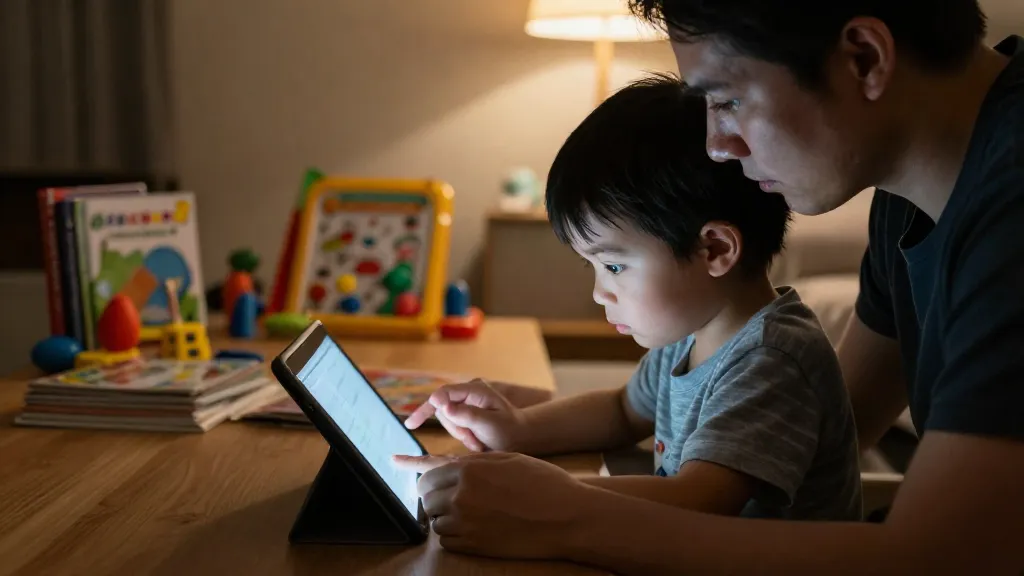
If your child is spending hours glued to a tablet or TV screen, a growing body of research suggests you have good reason to worry—not just about their eyes, but about their ability to learn and succeed in school. A new study backed by major health organizations confirms what many parents have feared: excessive screen time in early childhood creates measurable cognitive gaps that follow kids into their academic years.
The Research Behind the Headlines
Researchers from Inserm and the National University of Singapore, supported by endorsements from the World Health Organization (WHO) and the American Academy of Pediatrics, have documented a troubling link between early screen exposure and later learning problems. The findings apply across age groups—meaning whether your child is a toddler or in elementary school, the damage from too much screen time can be lasting.
The concern goes beyond the obvious physical complaints. While eye strain, dry eyes, headaches, and poor sleep quality are well-known side effects of excessive screen time, according to Michigan State University, the cognitive and developmental impacts are far more serious for young children.
How Screen Time Disrupts Learning Ability
The research reveals that excessive screen exposure doesn’t just affect children in the moment—it impairs their cognitive development in ways that persist into later academic years. This means a child who spends too much time on screens today may struggle with focus, comprehension, and learning readiness when they enter school.
The effects are pronounced enough to warrant serious attention. These aren’t minor delays that correct themselves; observers note that the learning gaps created by early screen overexposure can follow children through their education.
What to Watch For
If you’re concerned your child may be experiencing the effects of too much screen time, keep an eye out for:
- Difficulty focusing or sustaining attention on non-screen activities
- Delayed speech or language development
- Sleep disruptions or irregular sleep patterns
- Increased anxiety or stress
- Resistance to activities that don’t involve screens
Moving Forward: Actionable Steps for Parents
Rather than adding to parental guilt, the goal here is prevention and building healthier habits now. The research doesn’t suggest you’ve already damaged your child—it’s a roadmap for making better choices going forward.
Consider setting clear screen time boundaries, prioritizing interactive play and face-to-face interaction, and creating screen-free zones during meals and before bedtime. These aren’t radical changes; they’re evidence-based practices endorsed by the same organizations backing this research.
The takeaway is straightforward: what happens on screens today shapes your child’s learning ability tomorrow. The good news is that awareness and action now can make all the difference.