
Clinton Demands Full Epstein Files Release, Accuses Trump Admin of Selective Transparency
Bill Clinton's team fires back at the Trump administration over the Epstein Files release, demanding complete transparency and questioning what—or who—is being protected. The clash highlights growing tension over how declassified documents are being handled.
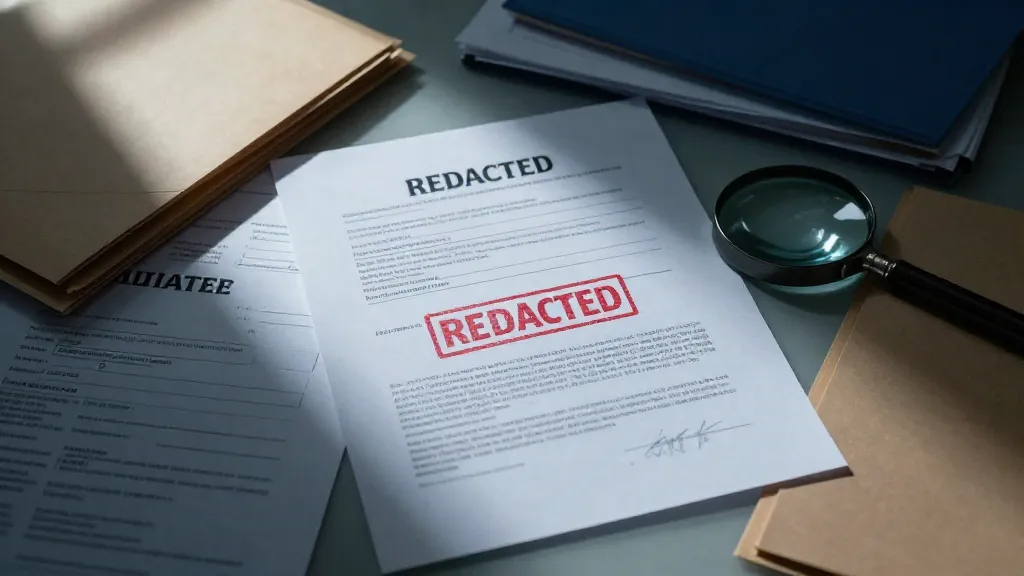
The release of the Epstein Files has ignited a fierce political showdown, with Bill Clinton’s team directly challenging the Trump administration over how the explosive documents are being handled. In a pointed statement, Clinton’s spokesperson accused the Department of Justice of selective transparency, raising urgent questions about what—and who—officials are protecting as thousands of pages hit the public domain.
The Escalating Clash Over Declassification
What started as a mandate to release federal records connected to Jeffrey Epstein has quickly become a high-stakes battle over government accountability and political motives. The Epstein Files Transparency Act, signed by Trump, requires the declassification and publication of nearly all federal materials related to Epstein and his network. But Clinton’s camp argues the rollout has been anything but transparent.
Speaking through spokesperson Angel Ureña on Monday, Clinton’s team issued a stark challenge to Attorney General Pam Bondi and the DOJ: release the complete record without redactions or strategic delays.
“The Epstein Files Transparency Act imposes a clear legal duty on the U.S. Department of Justice to produce the full and complete record the public demands and deserves,” Ureña stated. “However, what the Department of Justice has released so far, and the manner in which it did so, makes one thing clear: someone or something is being protected.”
The Core Accusation: Strategic Withholding
Clinton’s statement cuts to the heart of the growing controversy. The former president’s team isn’t just asking for more documents—they’re implying that the current release strategy suggests deliberate protection of unnamed individuals or interests. This framing transforms the debate from a simple transparency issue into an accusation of potential cover-up.
“We do not know whom, what or why. But we do know this: We need no such protection,” the statement continued, effectively challenging the administration’s judgment about what warrants redaction or delayed release.
What’s Already Been Released
The DOJ began releasing materials on December 19, starting with thousands of documents and photographs. Some images show Clinton in social settings with Epstein, including poolside gatherings and cultural events with associates like Ghislaine Maxwell. The photographs are largely undated and partially redacted, leaving significant questions unanswered about context and timing.
Importantly, Clinton and other public figures appearing in the files have not been accused of wrongdoing related to Epstein’s crimes.
Growing Pressure From Multiple Directions
Clinton’s challenge isn’t coming in a vacuum. Republican Congressman Thomas Massie has also criticized the DOJ’s approach, arguing that the release doesn’t fully comply with the transparency law.
“The survivors deserve justice,” Massie stated on X. “The DOJ release does not comply with the Epstein Files Transparency Act and does not provide what the survivors are guaranteed under the new law.”
This bipartisan criticism suggests the debate has transcended simple partisan lines, touching on broader questions about victim protection, government accountability, and whether declassification is being executed fairly.
What to Watch For
- Additional file releases scheduled by the DOJ in coming weeks
- Whether the administration responds to Clinton’s specific demands for complete disclosure
- How victim protection concerns factor into redaction decisions
- Whether other public figures named in the files issue similar transparency demands
- The pace and scope of any criminal investigations announced by the DOJ
The Victim Protection Dilemma
At the center of this standoff lies a genuine tension: balancing public transparency with protecting victims of exploitation. Attorney General Bondi has emphasized that the DOJ remains committed to pursuing charges against anyone involved in trafficking and exploitation, and has called on victims to come forward.
The DOJ has indicated that future releases will continue prioritizing victim identity protection—a legitimate concern that complicates the demand for “complete” disclosure. But Clinton’s team is suggesting that this protective mandate is being selectively applied, shielding some individuals while exposing others.
What Comes Next
The DOJ has committed to incremental releases of additional files, maintaining its emphasis on victim protection throughout the process. This piecemeal approach—rather than a single, comprehensive dump—appears to be a deliberate strategy, one that Clinton’s camp views with suspicion.
The question now is whether the Trump administration will respond to the pressure by accelerating releases or providing more detailed explanations for redactions. The political calculus is complex: moving faster risks accusations of carelessness with victim data, while moving slowly invites charges of obstruction and selective disclosure.
What’s clear is that the Epstein Files release has become far more than a historical accounting exercise. It’s evolved into a test of government transparency, a referendum on how declassification should work, and a proxy battle over trust in institutions. The coming weeks will reveal whether Clinton’s public challenge shifts the administration’s approach or hardens its current strategy.