
Colorado Democrats Censure Their Own Governor Over Controversial Commutation
Colorado Democrats take the rare step of censuring Governor Jared Polis and barring him from party events over his commutation of Tina Peters. The unprecedented move highlights deep divisions within the party.
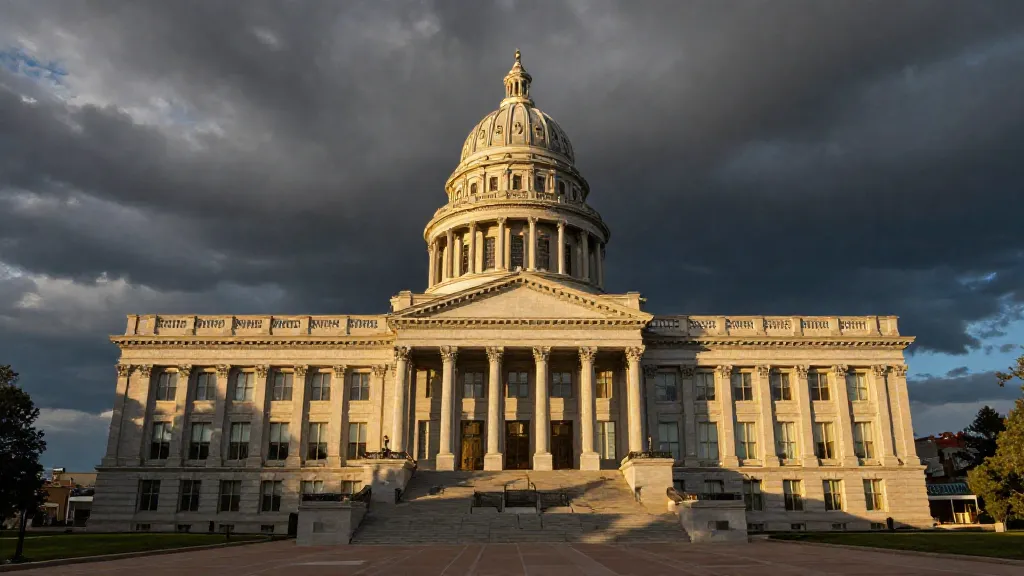
In a stunning display of internal party discord, Colorado Democrats have taken the extraordinary step of censuring their own governor, Jared Polis, and barring him from speaking at Democratic Party events. The dramatic move stems from Polis’s controversial decision to commute the sentence of Tina Peters, creating a political firestorm that has fractured the party from within.
The censure represents one of the most severe forms of political rebuke a state party can deliver to one of its own, highlighting just how deeply the Peters commutation has divided Colorado Democrats. Such internal party warfare is exceptionally rare in modern American politics, where party unity is typically prized above all else.
An Unprecedented Political Punishment
The decision to bar Governor Polis from Democratic Party speaking engagements sends a clear message that the party leadership views his actions as fundamentally at odds with Democratic values and priorities. This level of public condemnation from within his own party creates an almost unheard-of political dynamic for a sitting governor.
Party censures of elected officials from opposing parties are common political theater, but when a state Democratic organization takes such drastic action against a Democratic governor, it signals a complete breakdown in party cohesion. The move effectively isolates Polis from his traditional political base and support network.
The Tina Peters Factor
While the specific details of Peters’s case and the circumstances surrounding her commutation remain central to understanding this controversy, the political ramifications extend far beyond any single legal decision. The fact that Colorado Democrats felt compelled to take such dramatic action suggests the commutation touched on fundamental issues of justice, accountability, or party principles.
The timing of this censure also raises questions about:
- The political calculations behind Polis’s original commutation decision
- Whether the governor consulted with party leadership beforehand
- How this internal conflict might affect Democratic unity in future elections
- The precedent this sets for other state parties dealing with controversial decisions by their elected officials
Political Fallout and Future Implications
This unprecedented censure creates a unique political landscape in Colorado, where the Democratic governor now finds himself effectively persona non grata at his own party’s events. The practical implications are significant – Polis will be unable to rally the party faithful, fundraise at Democratic gatherings, or present a unified front during critical political moments.
For Colorado Democrats, the decision reflects a calculated risk that the damage from appearing to condone the Peters commutation outweighs the traditional benefits of party unity. This suggests the commutation was seen as so problematic that normal political considerations took a backseat to making a public statement of disapproval.
What This Means for American Politics
The Colorado situation offers a rare glimpse into what happens when party loyalty collides with deeply held principles. In an era of intense political polarization, seeing a state party willing to publicly break with its own governor demonstrates that some lines remain uncrossable, even within party ranks.
This internal Democratic conflict also provides Republicans with a ready-made talking point about Democratic division and leadership failures. The spectacle of a party censuring its own governor hands political ammunition to opponents who can point to the discord as evidence of broader Democratic disarray.
The unprecedented nature of this censure ensures it will be closely watched by political observers nationwide, potentially setting a template for how state parties might handle controversial decisions by their elected officials in the future. Whether this represents a new normal in intraparty accountability or a unique Colorado anomaly remains to be seen.