
Researchers Map America's Most Vulnerable Towns as Measles Makes Alarming Comeback
Boston researchers developed a breakthrough method to identify communities most at risk for measles outbreaks as cases surge nationwide. Bay Area reports first measles cases in over a decade.
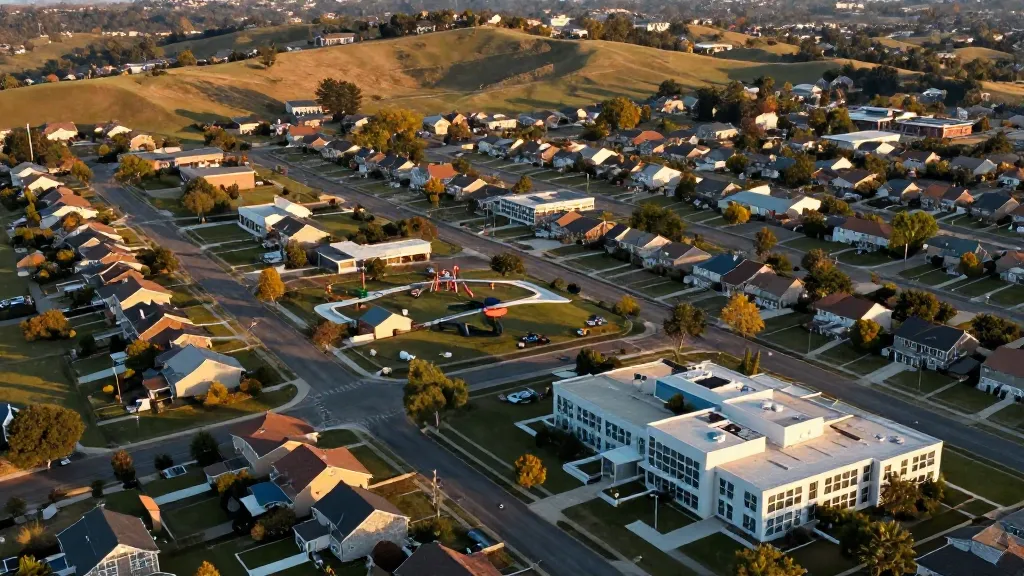
The measles virus is staging a dangerous comeback across America, and researchers have just created a breakthrough tool that could save lives by predicting exactly where outbreaks are most likely to strike next. As communities from coast to coast report their first cases in years, this innovative mapping system is revealing uncomfortable truths about which neighborhoods face the greatest risk.
A New Method to Track Danger Zones
Boston researchers have developed a sophisticated approach to identify communities with dangerously low vaccination rates—the exact conditions that allow measles to spread like wildfire. Their methodology represents a significant advancement in public health surveillance, offering officials the ability to pinpoint vulnerable areas before an outbreak begins rather than scrambling to respond after cases emerge.
The timing couldn’t be more critical. Reports suggest measles cases are resurging nationwide, with some regions experiencing their first confirmed infections in over a decade.
Bay Area Breaks Decade-Long Streak
The urgency of this research became starkly apparent this week when Napa County public health officials announced that an unvaccinated child had become the third person in the Bay Area with a confirmed measles case. This marks the county’s first measles case in over a decade, highlighting how quickly the highly contagious virus can return to communities that had previously eliminated it.
What Makes This Outbreak Different
The Bay Area cases underscore a troubling pattern emerging across the country. Observers note that many of the recent infections involve unvaccinated individuals, creating clusters of vulnerability within otherwise well-protected communities.
The Science Behind the Mapping
The Boston researchers’ approach goes beyond simply tracking vaccination rates. Their method appears to incorporate multiple factors that contribute to outbreak risk, creating a more nuanced picture of community vulnerability than traditional surveillance methods.
Key Indicators to Watch For:
- Pockets of low vaccination coverage within otherwise well-vaccinated areas
- Communities with philosophical or religious exemptions to vaccination
- Areas with limited access to healthcare services
- Neighborhoods with high population density that could accelerate transmission
Why Some Communities Face Higher Risk
Measles requires a vaccination rate of approximately 95% to maintain “herd immunity”—the protection that occurs when enough people are vaccinated to prevent the virus from spreading through a community. When vaccination rates drop below this threshold, even small introductions of the virus can trigger significant outbreaks.
The mapping research suggests that risk isn’t evenly distributed. Some communities may appear to have adequate overall vaccination rates but contain dangerous pockets of unvaccinated individuals clustered together.
Looking Ahead: Prevention and Preparedness
Public health experts emphasize that this mapping tool represents just one component of measles prevention efforts. The real value lies in how communities and health officials use this information to strengthen their defenses before outbreaks occur.
As measles continues its concerning resurgence, the ability to identify and protect the most vulnerable communities could prove essential in preventing larger epidemics. The question now is whether officials will act quickly enough on this new intelligence to stay ahead of a virus that has already demonstrated its ability to return with alarming speed.
The stakes are clear: measles remains one of the most contagious diseases known to science, and unvaccinated communities provide the perfect conditions for its spread. With cases already emerging in areas that hadn’t seen the virus in years, the race is on to identify and protect America’s most vulnerable towns before it’s too late.