
Top Health Official Issues Urgent Measles Vaccine Plea as Outbreaks Hit Disneyland and DC Rally
Dr. Mehmet Oz urges Americans to get vaccinated as measles cases surge across multiple states, with confirmed exposures at Disneyland and a major DC political rally. The preventable disease is spreading to high-traffic public venues despite vaccine availability.
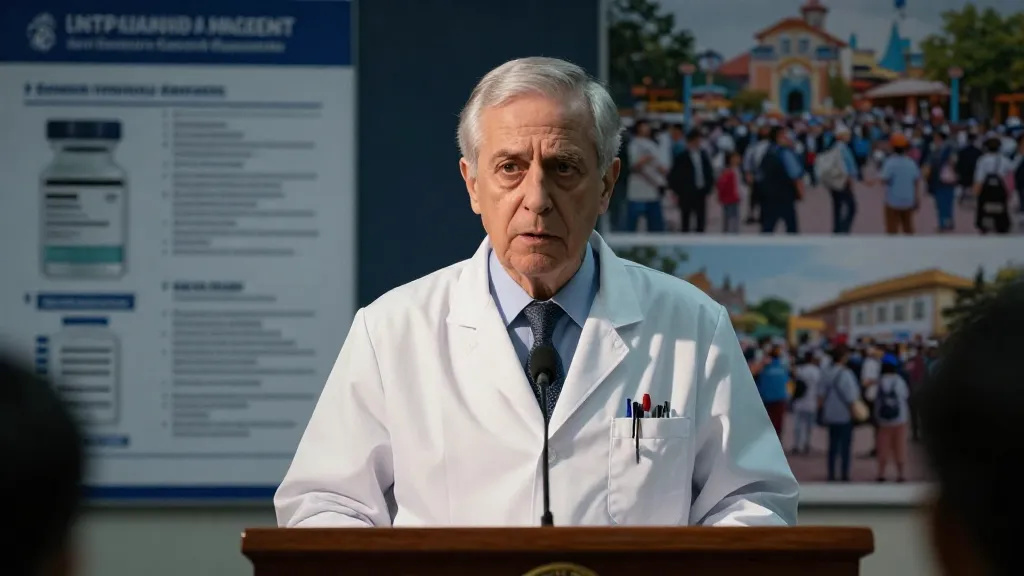
A top health official is sounding the alarm as measles outbreaks spread across multiple states, with confirmed cases now linked to some of America’s most popular gathering places. Dr. Mehmet Oz, administrator of the Centers for Medicare and Medicaid Services, has issued an urgent public plea: “Take the vaccine, please.”
The timing of his appeal couldn’t be more critical. Health officials have confirmed measles cases connected to high-traffic venues including Disneyland in California and public events in Washington, DC—places where thousands of families, tourists, and visitors congregate daily.
Disney Magic Kingdom Becomes Disease Hotspot
Orange County health officials have confirmed a second measles case linked to a visitor at Disneyland, just one week after reporting the first case. The infectious individual visited both Disneyland Park and Disney California Adventure Park on January 22, spending eight hours at the resort between 8 a.m. and 4 p.m.
This development transforms one of America’s most beloved family destinations into a potential exposure site, raising concerns for the thousands of visitors who may have crossed paths with infected individuals during peak visiting hours.
DC Rally Adds to Growing Outbreak Pattern
The measles threat extends far beyond California’s theme parks. Health officials in Washington, DC have confirmed multiple measles cases with potential exposure at several public venues, including the March for Life rally—a major political gathering that draws participants from across the nation.
These confirmed cases highlight how quickly measles can spread through large public gatherings, particularly when people travel from different regions and return to their home communities.
What Parents and Travelers Should Watch For
Health experts emphasize vigilance for measles symptoms, especially for those who visited affected locations:
- High fever (often above 104°F)
- Cough, runny nose, and red, watery eyes
- Small white spots inside the mouth
- Red, blotchy rash that starts at the head and spreads downward
The Preventable Disease Paradox
The irony of these outbreaks isn’t lost on public health officials. Measles is entirely preventable through vaccination, yet cases continue to emerge across multiple states. Dr. Oz’s direct appeal underscores the frustration within the medical community as a disease that was once nearly eliminated in the United States makes a concerning comeback.
Reports suggest that vaccination rates in some communities have declined, creating pockets of vulnerability that allow highly contagious diseases like measles to gain a foothold.
Why This Matters Now
Measles is among the most contagious diseases known to medicine. A single infected person can spread the virus to up to 18 others in an unvaccinated population. The virus can linger in the air for up to two hours after an infected person leaves a room, making exposure possible even without direct contact.
The current outbreaks demonstrate how modern travel patterns can rapidly spread infectious diseases across state lines. A single visitor to Disneyland or a major rally can potentially carry the virus back to their home community, sparking additional outbreaks in areas with lower vaccination coverage.
Health Officials Urge Action
As cases continue to emerge across multiple states, health officials are emphasizing that vaccination remains the most effective protection against measles. The measles, mumps, and rubella (MMR) vaccine is highly effective, providing long-lasting immunity for most people who receive the recommended doses.
Dr. Oz’s public appeal reflects growing concern within the health community about the spread of preventable diseases. His straightforward message—“Take the vaccine, please”—cuts through complex medical jargon to deliver a simple, actionable directive that could help prevent further outbreaks.
The current situation serves as a stark reminder that diseases once thought conquered can quickly resurge when vaccination rates decline, turning beloved family destinations and public gatherings into unexpected health risks.