
Ring of Fire Eclipse Happening Today: Your Complete Safe Viewing Guide
The moon creates a stunning 'ring of fire' effect as it passes in front of the sun today in a rare annular solar eclipse. Here's exactly when and how to watch safely without damaging your eyes.
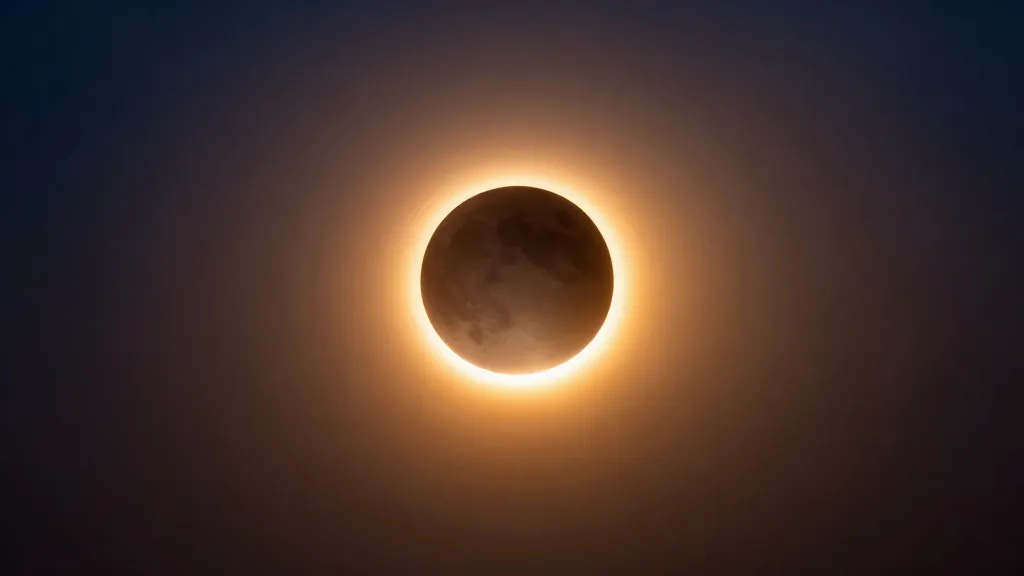
The sky is putting on a spectacular show today as the moon slides perfectly between Earth and the sun, creating a breathtaking “ring of fire” effect that millions of people across specific regions can witness. This rare annular solar eclipse transforms our ordinary Tuesday into an extraordinary celestial event that won’t be forgotten anytime soon.
Unlike a total solar eclipse where the moon completely blocks the sun, today’s annular eclipse occurs because the moon appears slightly smaller than the sun from Earth’s perspective. This creates the dramatic ring effect that gives the phenomenon its fiery nickname—a brilliant golden circle of sunlight surrounding the moon’s dark silhouette.
When and Where to Look
The eclipse is visible today, February 17, 2026, but timing and visibility depend entirely on your location. The “ring of fire” effect will be most dramatic for viewers positioned within the path of annularity, while those in surrounding areas may see a partial eclipse where the moon takes a “bite” out of the sun.
Reports suggest the eclipse began in the morning hours and will progress across specific geographic regions throughout the day. The exact timing varies significantly by location, so observers should check local astronomical resources for precise viewing windows in their area.
Essential Safety Guidelines
Never look directly at the sun during an eclipse without proper protection. This cannot be emphasized enough—even during an annular eclipse when the sun isn’t completely blocked, the exposed ring of sunlight is intensely bright and can cause permanent eye damage or blindness in seconds.
Safe Viewing Methods
Here’s what you need to watch safely:
• Eclipse glasses: Use only ISO-certified solar viewing glasses—regular sunglasses won’t protect your eyes • Pinhole projectors: Create a simple viewer using cardboard to project the eclipse image • Solar filters: Attach proper solar filters to telescopes or cameras before viewing • Live streams: Watch professional broadcasts online if you don’t have proper equipment
What Makes This Eclipse Special
Annular solar eclipses are relatively rare events for any given location on Earth. While solar eclipses occur somewhere on the planet roughly every 18 months, the specific alignment needed for an annular eclipse—combined with being in the right place at the right time—makes today’s event particularly noteworthy.
The “ring of fire” effect occurs because the moon is currently at a point in its slightly elliptical orbit where it appears smaller than the sun when viewed from Earth. This precise cosmic geometry creates the stunning visual that has captivated humans throughout history.
Photography and Documentation Tips
If you’re planning to photograph the eclipse, remember that the same safety rules apply to cameras and smartphones. The intense sunlight can damage camera sensors just as easily as it can harm your eyes. Use proper solar filters on your equipment, or stick to photographing the event’s effects on the landscape and people’s reactions.
Many observers find that the experience itself is more memorable than any photograph, so don’t forget to take a moment to simply witness this remarkable celestial dance with your own (safely protected) eyes.
What Happens Next
After today’s eclipse concludes, sky watchers will have to wait for the next opportunity to witness such a dramatic solar event. Eclipse enthusiasts often travel thousands of miles to experience these rare cosmic alignments, making today’s accessible viewing opportunity all the more special for those in the eclipse path.
The next few hours offer a unique chance to connect with one of nature’s most awe-inspiring displays—just remember to keep those eclipse glasses handy and enjoy the show safely.