
Scientists Discover Parasite That Makes Ants Live 10x Longer—And Treated Like Royalty
A newly studied parasite dramatically extends ant lifespans while manipulating colony behavior, causing infected ants to receive special care and treatment from their nestmates. Researchers are uncovering how this microscopic organism rewires both longevity and social hierarchy.
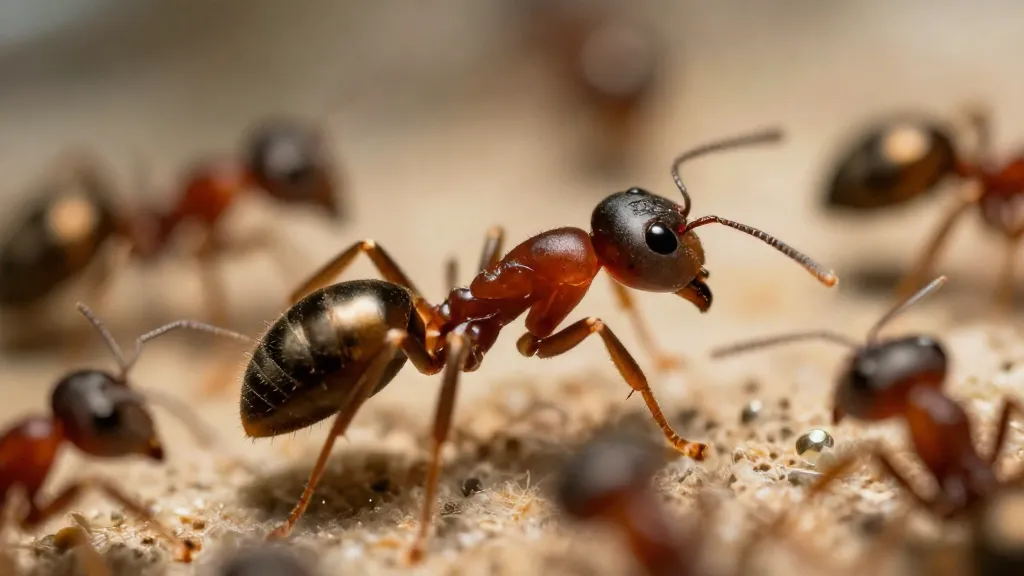
Imagine living ten times longer than your species naturally allows—while your peers treat you like royalty. This isn’t the plot of a sci-fi thriller. It’s what scientists have discovered happening in ant colonies, where a remarkable parasite is rewriting the rules of both lifespan and social hierarchy in ways that seem almost too strange to be real.
The Parasite That Breaks All the Rules
Researchers have identified a parasite capable of extending an ant’s lifespan by up to ten times its normal duration. But this organism doesn’t just add years to an infected ant’s life—it fundamentally transforms how the entire colony treats that individual.
When an ant becomes infected, something extraordinary happens. Nestmates begin showering the infected individual with special care and attention, treating them with a deference typically reserved for royalty within the colony. The parasite has essentially hacked into the social fabric of the colony, rewriting the behavioral rules that govern ant hierarchies.
How a Microscopic Invader Becomes a Master Manipulator
The mechanism behind this behavioral manipulation reveals the sophisticated ways parasites can exploit their hosts. Rather than simply draining resources or causing visible harm, this organism appears to trigger chemical or behavioral signals that make other ants perceive infected individuals as higher-status members deserving special treatment.
What to watch for:
- Changes in how infected ants are fed and groomed by nestmates
- Altered pheromone profiles or chemical signals from infected individuals
- Shifts in colony resource allocation toward infected members
- Long-term impacts on colony fitness despite individual lifespan extension
The infected ant benefits from increased nutrition and care—resources that may directly fuel the parasite’s own survival while simultaneously extending the host’s life. It’s a delicate equilibrium where the parasite’s success depends on keeping its host alive and socially elevated.
Why This Matters Beyond the Ant Nest
This discovery offers a rare window into how parasites can manipulate behavior at a population level, and how lifespan itself might be more malleable than previously understood. If a single organism can extend an ant’s life tenfold, what does that suggest about the biological mechanisms controlling aging?
The implications ripple outward. Understanding how this parasite extends longevity could illuminate pathways related to aging in other species. The behavioral manipulation aspect reveals how deeply parasites can integrate into social systems, raising questions about free will versus biological influence in animals—and potentially in ourselves.
Scientists continue studying the specifics of this relationship, working to understand exactly how the parasite achieves both the lifespan extension and the social manipulation. Each discovery adds another piece to a puzzle that challenges our assumptions about parasitism, aging, and the invisible forces shaping animal behavior.