
14,000-Year-Old Wolf Pup's Last Meal Reveals Shocking Clues About Ice Age Extinctions
Scientists analyzing the preserved stomach contents of an ancient wolf pup have uncovered surprising genetic evidence that could explain why woolly rhinos and other ice age giants vanished forever.
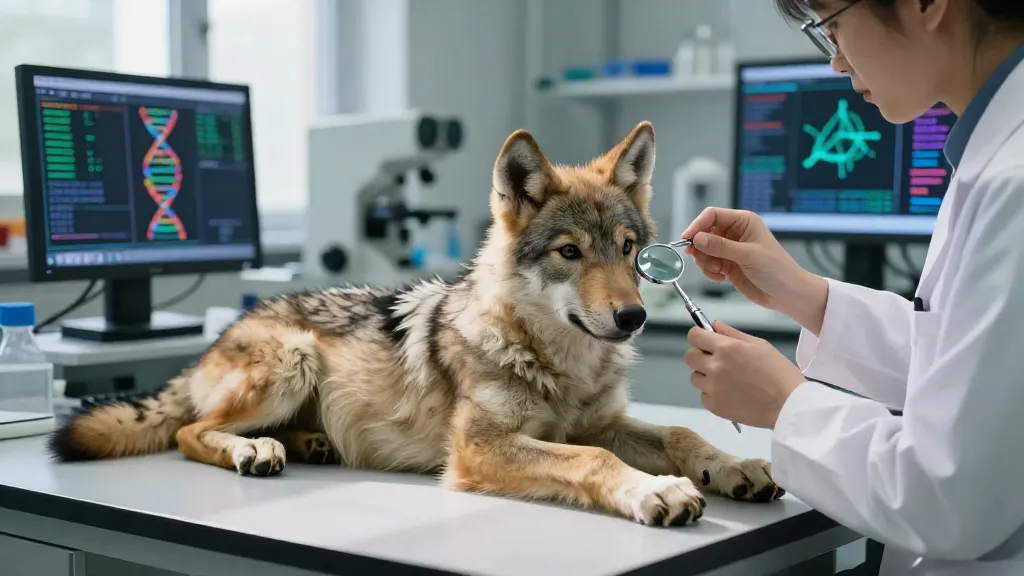
Picture this: a tiny wolf pup, barely weaned from its mother, takes its final breath 14,000 years ago in what is now the frozen wilderness of Canada. Fast forward to today, and that same pup’s perfectly preserved stomach contents are rewriting our understanding of one of prehistory’s greatest mysteries—the disappearance of woolly rhinos and other ice age giants.
What makes this discovery extraordinary isn’t just the remarkable preservation of organic material across millennia, but how modern genetic analysis has transformed a wolf’s last meal into a time capsule of extinct DNA. Scientists have uncovered genetic material that provides unprecedented insights into the final chapters of megafauna that once roamed our planet.
A Frozen Detective Story
The wolf pup was discovered in permafrost conditions that acted like nature’s perfect freezer, preserving not just bones and fur, but the delicate contents of its digestive system. When researchers carefully extracted and analyzed the stomach contents, they found something remarkable: genetic traces of species that had vanished from Earth thousands of years ago.
This type of preservation is incredibly rare in paleontology. Most ancient DNA degrades rapidly, but the extreme cold created ideal conditions for genetic material to survive intact. The discovery represents a unique window into the ecosystem dynamics of the late Pleistocene period, when massive climate shifts were reshaping the world.
Genetic Breadcrumbs from a Lost World
The genetic analysis revealed connections to extinct megafauna lineages that scientists had never been able to study in such detail before. The wolf pup’s stomach contained DNA evidence that helps explain the complex web of relationships between predators and prey during this critical period in Earth’s history.
Reports suggest that the genetic material found provides new mechanistic insights into how mass extinction events unfolded. Rather than simple climate-driven die-offs, the evidence points to more complex ecological cascades where the loss of certain species triggered widespread ecosystem collapse.
What Scientists Found:
- Intact genetic material from multiple extinct species
- Evidence of complex predator-prey relationships
- Clues about ecosystem interconnectedness during the late Pleistocene
- New data on the timeline of megafauna extinctions
Solving the Woolly Rhino Mystery
The woolly rhinoceros, with its distinctive horn and shaggy coat, was one of the ice age’s most iconic creatures. These massive herbivores survived multiple glacial periods, adapting to some of the harshest conditions on Earth. Yet around 14,000 years ago, they disappeared forever—until now, scientists weren’t entirely sure why.
The genetic evidence from the wolf pup’s stomach provides new perspectives on the extinction timeline and mechanisms. Observers note that the DNA traces suggest these animals were still present in the ecosystem when the wolf lived, offering a more precise understanding of when and how these extinctions occurred.
Beyond the Woolly Rhino
This discovery extends far beyond a single species. The preserved stomach contents offer insights into an entire ecosystem that existed during one of the most dramatic periods of environmental change in recent geological history. The late Pleistocene was a time when retreating glaciers, changing vegetation patterns, and emerging human populations all played roles in reshaping the natural world.
The genetic evidence suggests that the relationships between species were more complex than previously understood. The wolf pup’s diet reveals connections between predators and prey that help explain how the loss of key species could trigger cascading effects throughout entire ecosystems.
A New Tool for Understanding Extinctions
This breakthrough demonstrates how cutting-edge genetic analysis can unlock secrets preserved in the most unexpected places. The techniques used to analyze the wolf pup’s stomach contents could be applied to other well-preserved specimens, potentially revealing new insights into other extinction events throughout Earth’s history.
The implications extend to modern conservation efforts as well. Understanding how past ecosystems collapsed can inform current strategies for protecting endangered species and maintaining biodiversity in our rapidly changing world.
The 14,000-year-old wolf pup has given scientists something invaluable: a direct genetic link to a lost world. Through its preserved last meal, we’re gaining new understanding of how Earth’s most magnificent creatures vanished, and perhaps more importantly, how we might prevent similar losses in the future. Sometimes the most profound discoveries come from the most unexpected sources—even a hungry wolf pup from the distant past.