
5,500-Year-Old Fossil Rewrites Syphilis History: Scientists Challenge Columbus Theory
A newly analyzed ancient skeleton from Colombia pushes syphilis origins back thousands of years, potentially debunking the long-held belief that Columbus brought the disease to Europe. This archaeological breakthrough is forcing scientists to completely rethink one of history's most controversial disease narratives.
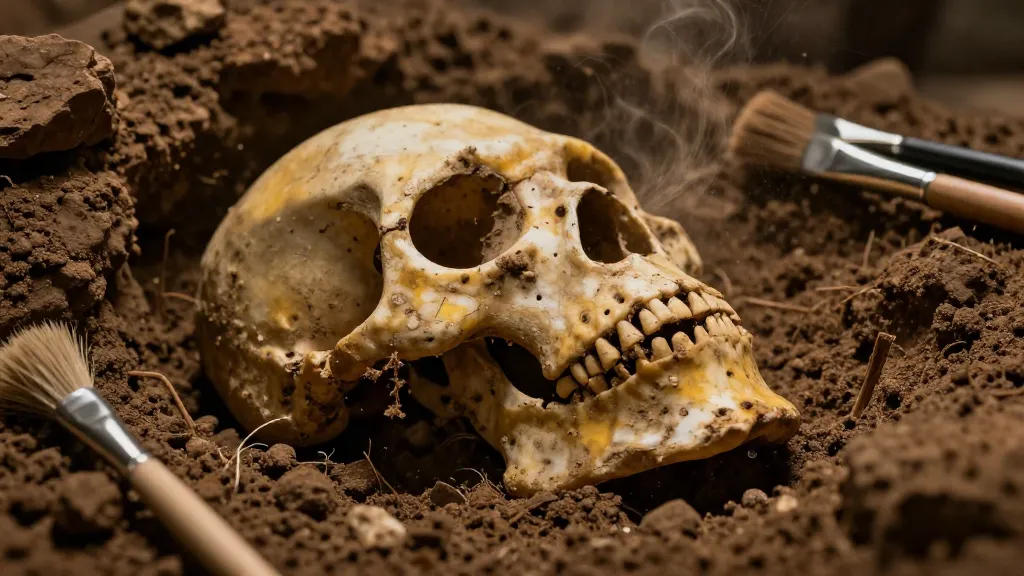
A single ancient skeleton buried deep in Colombian soil for over five millennia has just shattered one of history’s most enduring medical mysteries. The fossilized remains, recently analyzed by researchers, show clear evidence of syphilis infection—pushing the disease’s timeline back thousands of years before Christopher Columbus ever set foot in the Americas.
This groundbreaking discovery is forcing scientists to completely reconsider everything we thought we knew about syphilis and its spread across the globe. For centuries, the prevailing theory suggested that Columbus and his crew brought syphilis back to Europe from the New World in the late 1400s. Now, this ancient Colombian fossil is turning that narrative on its head.
The Columbus Connection Under Fire
The traditional story seemed straightforward: European explorers encountered syphilis in the Americas and inadvertently carried it back to Europe, where it spread rapidly through populations with no immunity to the disease. Historical records from the late 15th and early 16th centuries documented devastating outbreaks across European cities, seemingly supporting this timeline.
But the 5,500-year-old Colombian skeleton tells a dramatically different story. If syphilis was already present in the Americas thousands of years before Columbus arrived, the entire framework for understanding the disease’s global spread needs fundamental revision.
What This Ancient Evidence Reveals
The fossilized remains show telltale signs of syphilis infection that paleontologists can identify even after millennia. These bone changes provide concrete evidence that the disease was circulating in pre-Columbian populations far earlier than previously documented.
This discovery raises profound questions about how diseases moved between populations in the ancient world. If syphilis existed in the Americas 5,500 years ago, researchers must now investigate whether it also appeared independently in other parts of the world during similar timeframes.
Key implications of this discovery:
- Syphilis origins predate Columbus by thousands of years
- Disease transmission patterns may be more complex than previously understood
- Ancient populations dealt with sexually transmitted infections much earlier than documented
- Historical medical narratives require significant revision
Rewriting Medical History
This fossil evidence represents more than just a single archaeological find—it’s a fundamental challenge to how we understand disease evolution and transmission. Scientists are now questioning whether other historical disease outbreaks attributed to cross-continental contact might have more complex origin stories.
The implications extend beyond syphilis itself. If this disease was present in ancient American populations, it suggests these communities developed their own medical knowledge and coping strategies for managing sexually transmitted infections thousands of years ago.
The Bigger Picture
Archaeological discoveries like this Colombian fossil demonstrate how much we still don’t know about ancient human health and disease patterns. Each new find has the potential to completely reshape our understanding of how our ancestors lived, suffered, and survived.
As researchers continue analyzing ancient remains with increasingly sophisticated techniques, more surprises likely await. This syphilis discovery may be just the beginning of a broader revision of medical history, forcing scientists to question long-held assumptions about when and where diseases first emerged.
The 5,500-year-old skeleton from Colombia proves that sometimes the most significant historical revelations come from the most unexpected places—buried in the ground, waiting patiently for modern science to uncover their secrets.