
Ancient DNA Reveals Syphilis Is 5,500 Years Older Than Scientists Thought
Groundbreaking genetic archaeology study traces syphilis origins to South America 5,500 years ago, completely rewriting the disease's evolutionary timeline and challenging everything we thought we knew about its history.
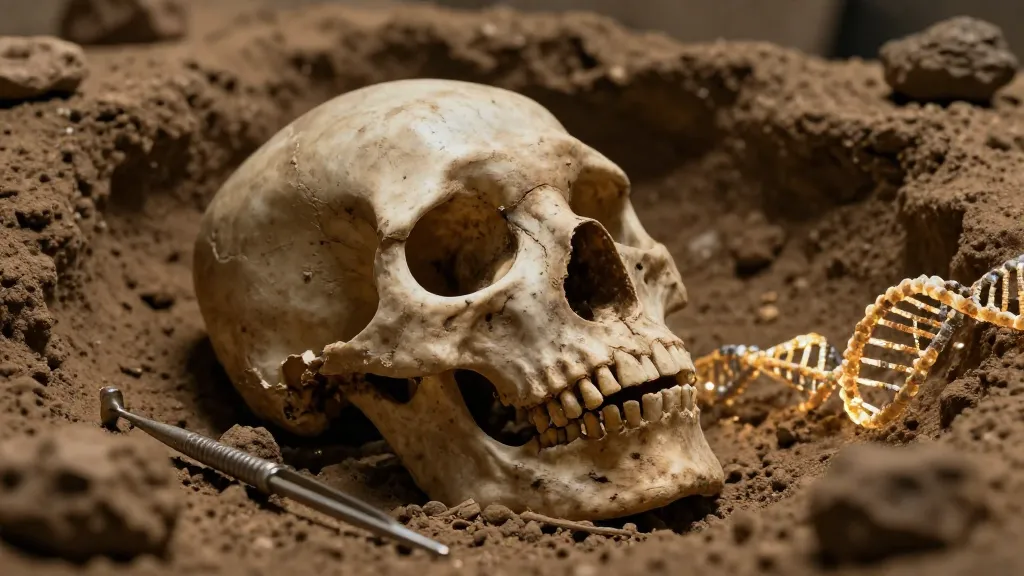
The history of syphilis just got a massive rewrite. For centuries, scientists believed this devastating sexually transmitted disease first emerged during the infamous European outbreak at the turn of the 16th century. But groundbreaking genetic archaeology has shattered that timeline completely, revealing that syphilis has been silently evolving in South America for an astonishing 5,500 years.
This discovery doesn’t just push back the disease’s origins by a few decades or even centuries—it catapults our understanding back millennia, fundamentally changing how we view the pathogen’s evolutionary journey and its relationship with human civilization.
The DNA Detective Work That Changed Everything
Ancient DNA analysis has become the ultimate time machine for medical historians, and this latest breakthrough showcases just how powerful genetic archaeology can be. Researchers have managed to trace the twisted evolutionary roots of syphilis far deeper into the past than anyone imagined possible.
The pathogen that would eventually ravage European populations didn’t suddenly appear in the late 1400s. Instead, it had been quietly evolving and adapting in South American populations for thousands of years before it ever crossed the Atlantic.
Rewriting Medical History Books
This revelation forces us to completely reconsider the narrative surrounding syphilis and its impact on human history. The European outbreak that historians have long considered the disease’s debut was actually just its dramatic entrance onto the global stage—not its origin story.
What This Means for Our Understanding
The implications stretch far beyond simple historical correction. This discovery suggests:
- Syphilis evolved alongside human populations in the Americas for millennia
- The pathogen had extensive time to develop complex survival strategies
- European contact represented a collision of evolved pathogens with unexposed populations
- Ancient South American societies dealt with this disease long before recorded history
The Power of Genetic Time Travel
Ancient DNA research continues to revolutionize our understanding of human health and disease evolution. By extracting and analyzing genetic material from archaeological specimens, scientists can now peer back through time with unprecedented precision.
This technique allows researchers to track how pathogens evolved, spread, and adapted over thousands of years. Each genetic sequence tells a story of survival, mutation, and adaptation that written records could never capture.
Beyond the Headlines
While the 5,500-year timeline represents a dramatic shift in our understanding, reports suggest this research opens up entirely new questions about disease evolution in pre-Columbian Americas. Observers note that this discovery likely represents just the tip of the iceberg when it comes to understanding ancient pathogen evolution.
The genetic evidence reveals a complex evolutionary history that challenges assumptions about disease patterns in ancient populations. Rather than viewing syphilis as a “new world” export to Europe, we now understand it as an ancient pathogen with deep roots in human civilization.
Looking Forward
This breakthrough demonstrates how cutting-edge genetic analysis continues to overturn long-held scientific assumptions. As ancient DNA techniques become more sophisticated, we can expect similar revelations about other diseases and their evolutionary histories.
The 5,500-year timeline for syphilis serves as a powerful reminder that human health challenges have ancient origins, and understanding these deep historical patterns could prove crucial for addressing modern medical challenges.