
Earth's Magnetic North Pole Drifts Into Uncharted Territory, Navigation Systems Scramble to Adapt
For the first time in recorded history, Earth's magnetic north pole has crossed into previously unmapped magnetic territory, forcing global navigation systems to urgently update their data. This unprecedented shift could affect everything from smartphone GPS to aviation navigation.
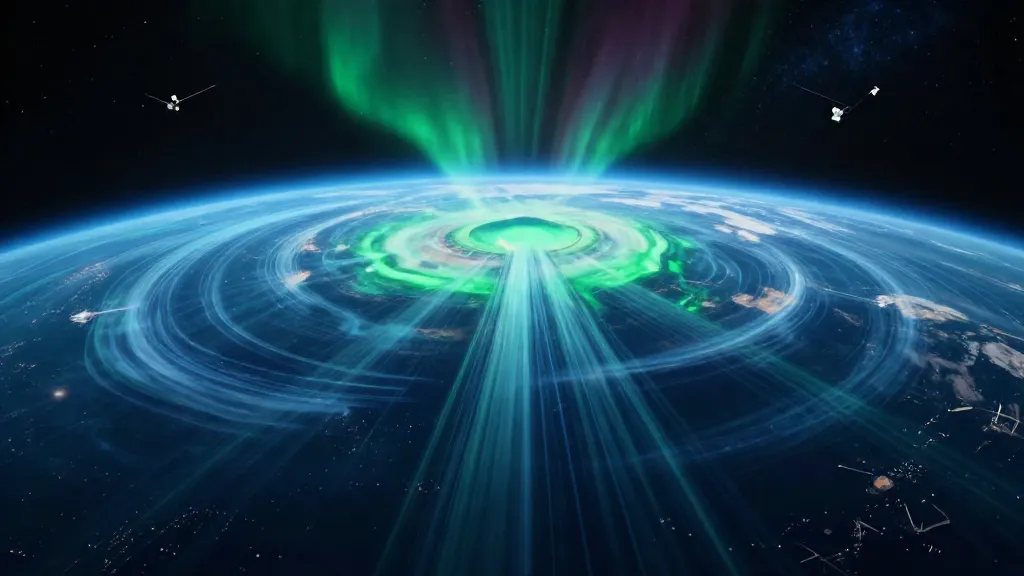
Your smartphone’s GPS might be about to get a lot less reliable. For the first time in recorded history, Earth’s magnetic north pole has wandered into completely uncharted magnetic territory, leaving scientists and navigation experts scrambling to understand what this means for the billions of devices that depend on magnetic field data every single day.
What Just Happened to Earth’s Magnetic Field?
Reports indicate that the magnetic north pole has crossed a threshold that researchers have never documented before. Unlike the geographic North Pole, which stays fixed at the top of our planet, the magnetic north pole has been on a restless journey for decades—but this latest shift represents uncharted waters in the most literal sense.
The magnetic north pole’s location determines how compasses point and influences the accuracy of navigation systems worldwide. When it moves into previously unmapped magnetic territory, it creates a cascade of technical challenges that ripple through everything from aviation to hiking apps.
Navigation Systems in Crisis Mode
The immediate impact is already being felt across multiple industries. Navigation systems that relied on established magnetic field maps are now operating with incomplete data, forcing urgent updates and recalibrations.
What’s at Stake:
- Commercial aviation navigation accuracy
- Maritime compass reliability
- Smartphone GPS precision
- Military navigation systems
- Outdoor recreation safety
Aviation authorities and tech companies are reportedly working around the clock to update their magnetic declination models—the calculations that translate between magnetic and true north for accurate positioning.
Why This Matters for Everyday Life
Most people don’t think about magnetic declination when they check directions on their phone, but this invisible force plays a crucial role in location accuracy. When your GPS tells you to turn left in 200 feet, it’s using magnetic field data to orient itself properly.
The shift into unmapped territory means that existing models and predictions may no longer be sufficient. Navigation systems are essentially flying blind in terms of magnetic field behavior in this new region.
The Science Behind the Shift
Earth’s magnetic field is generated by the movement of molten iron in the planet’s outer core, thousands of miles beneath our feet. This dynamic system means the magnetic poles are constantly in motion, but the current shift appears to represent something unprecedented in our recorded observations.
Scientists note that while magnetic pole movement isn’t unusual, crossing into completely unmapped magnetic territory creates unique challenges for understanding and predicting future behavior.
What Happens Next?
The race is now on to map this new magnetic territory and understand its characteristics. Researchers will need to deploy specialized equipment and conduct extensive measurements to create reliable new models.
In the meantime, navigation system operators are implementing emergency protocols to maintain accuracy while working with incomplete magnetic field data. The transition period could last months or even years as scientists gather enough information to create comprehensive maps of this uncharted magnetic region.
For now, travelers and navigation-dependent industries are advised to maintain backup navigation methods and stay alert for potential accuracy issues as systems worldwide adapt to this historic shift in Earth’s magnetic behavior.