
Scientists Discover Humans May Have 33 Senses, Not Just 5
New neuroscience research shatters the traditional five-senses model taught in schools, revealing humans may perceive reality through up to 33 distinct sensory systems. This groundbreaking discovery reframes how we understand human perception and our connection to the world around us.
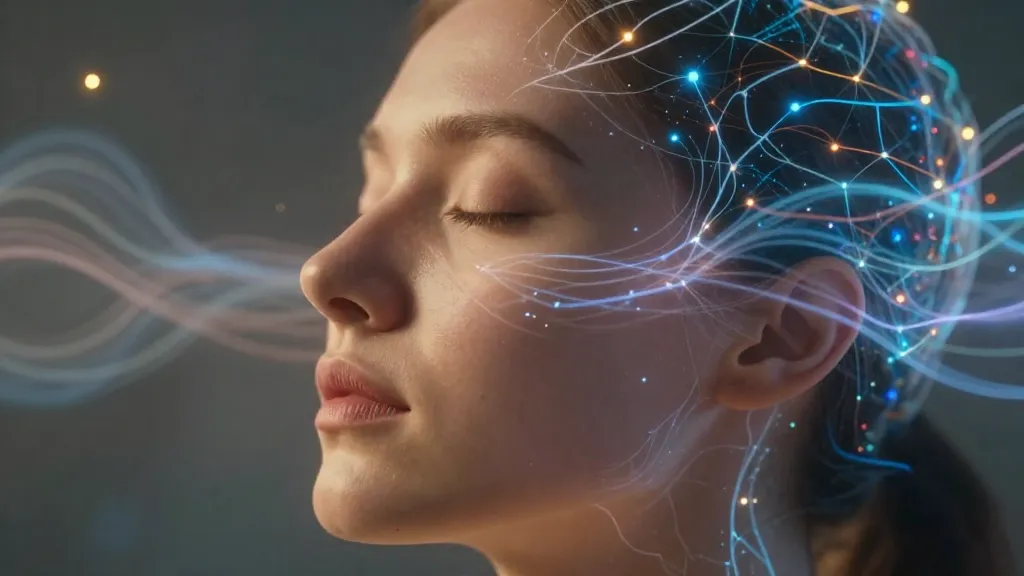
Everything you learned in elementary school about having five senses was just the beginning of the story. While teachers around the world continue to drill the classic lineup of sight, hearing, smell, taste, and touch into young minds, neuroscientists have been quietly unraveling a far more complex reality. New research suggests humans may actually possess up to 33 distinct sensory systems working together to create our experience of the world.
This revelation doesn’t just add a few extra senses to the traditional list—it completely transforms our understanding of human perception itself.
Beyond the Textbook Model
The five-senses framework that dominated education for generations is now recognized by researchers as fundamentally incomplete. According to recent findings, human perception operates as a sophisticated distributed system where multiple sensory channels work in constant collaboration, rather than as five separate information streams.
This multisensory approach explains why our experiences feel so rich and integrated. When you bite into a fresh apple, you’re not just tasting sweetness and feeling crunch—dozens of sensory systems are firing simultaneously to create that singular moment of perception.
The Hidden Senses at Work
Scientists have identified numerous sensory capabilities that operate below our conscious awareness but profoundly shape our daily experiences:
What to watch for in your own sensory experience:
- Your sense of balance and spatial orientation (vestibular system)
- Internal awareness of your body’s position (proprioception)
- Detection of internal bodily functions like hunger, thirst, and heart rate
- Temperature regulation beyond simple hot and cold
- Pressure and vibration detection through specialized receptors
These hidden senses work seamlessly with the traditional five to create what researchers describe as a continuous, integrated flow of environmental awareness.
Redefining Human Experience
The implications of this expanded sensory model extend far beyond academic curiosity. Understanding perception as a distributed network of 33 potential senses helps explain everything from why certain foods taste different when you have a cold to how athletes develop seemingly supernatural awareness of their bodies in space.
This research also sheds light on conditions like synesthesia, where traditional sensory boundaries blur, and helps scientists better understand sensory processing differences in neurodivergent individuals.
The Science Behind the Numbers
While the specific count of 33 senses represents current research findings, scientists emphasize that perception remains an active area of investigation. The exact number may shift as researchers continue mapping the intricate networks of sensory processing in the human brain and nervous system.
What remains clear is that the traditional five-senses model significantly underestimates the sophistication of human perception. Each newly identified sensory system reveals another layer of how our bodies constantly monitor and respond to both internal states and external environments.
Why This Matters Now
This expanded understanding of human senses arrives at a crucial time when technology increasingly mediates our sensory experiences. As virtual and augmented reality systems become more sophisticated, developers are beginning to recognize the importance of engaging these lesser-known sensory channels to create truly immersive experiences.
The research also has potential applications in healthcare, education, and accessibility design, offering new frameworks for supporting individuals with sensory processing differences.
The next time someone mentions the five senses, you’ll know they’re only scratching the surface of human perception’s remarkable complexity. Our bodies are far more sophisticated sensory instruments than we ever imagined—we’re just beginning to understand how they really work.