
Scientists Discover Moths Can 'Hear' Plants Screaming—And It Changes Where They Lay Eggs
Breakthrough research reveals female moths detect ultrasonic stress signals from plants and avoid laying eggs on compromised vegetation. This discovery unveils a sophisticated communication system between insects and plants that scientists never knew existed.
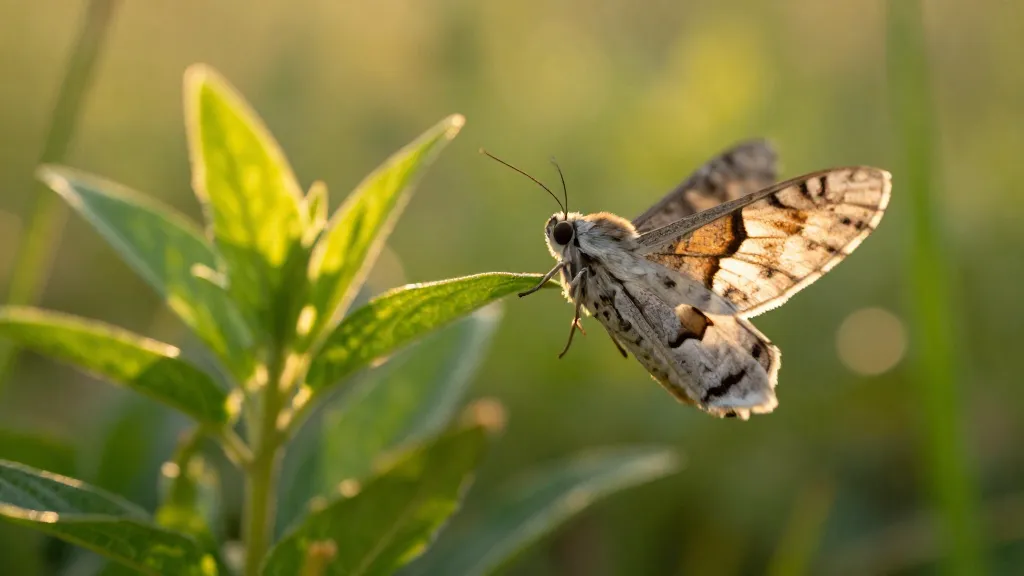
Deep in forests and gardens around the world, a secret conversation has been happening right under our noses—or rather, above the range of our hearing. Plants have been screaming when they’re stressed, and insects have been listening all along, making life-or-death decisions based on these ultrasonic cries that humans never knew existed.
A groundbreaking study has revealed that female moths possess an extraordinary ability to detect ultrasonic stress signals from plants, using this hidden communication to determine the safest nurseries for their precious eggs. This discovery is rewriting our understanding of how nature’s most fundamental relationships actually work.
The Silent Screams We Never Heard
When plants experience stress—whether from drought, disease, or damage—they don’t suffer in silence. Instead, they emit ultrasonic sounds that exist far beyond human hearing range. These high-frequency distress calls have been flying under the radar of scientific understanding until now.
The breakthrough research shows that female moths have evolved sophisticated acoustic abilities that allow them to tune into these plant stress signals. Rather than randomly selecting vegetation for egg-laying, these insects are actively eavesdropping on plant health status through sound.
Choosing the Perfect Nursery
The implications of this discovery extend far beyond simple curiosity about insect behavior. Female moths face one of nature’s most critical decisions: where to place their eggs to give their offspring the best chance of survival. A stressed or unhealthy plant makes for a poor nursery, potentially dooming the next generation before they even hatch.
What Moths Listen For:
- Ultrasonic distress signals from compromised plants
- Silent, healthy vegetation that indicates optimal growing conditions
- Environmental cues that suggest long-term plant viability
By avoiding plants that are literally crying out in distress, moths demonstrate a level of environmental awareness that scientists are only beginning to appreciate. This selective behavior suggests that insects may be far more sophisticated in their decision-making processes than previously understood.
A Hidden Communication Network
This research reveals that the natural world operates through communication channels we’re only now discovering. The ability of moths to detect plant stress signals suggests an intricate network of information exchange between species that has evolved over millions of years.
The fact that healthy, silent plants are preferred for egg-laying indicates that moths have developed this acoustic sensitivity as a survival strategy. Plants that aren’t emitting stress signals represent stable, thriving environments where moth larvae are more likely to find adequate nutrition and protection.
Redefining Plant-Insect Relationships
Traditional understanding of plant-insect interactions has focused primarily on visual and chemical cues. The discovery that sound plays a crucial role in these relationships opens up entirely new avenues for research and challenges long-held assumptions about how different species interact.
This breakthrough suggests that many other insects may possess similar acoustic abilities, potentially revealing a vast, previously unknown soundscape of interspecies communication. The implications could extend to understanding pollination patterns, pest management strategies, and ecosystem dynamics in ways scientists have never considered.
The Bigger Picture
While this study focuses specifically on moths and their egg-laying behavior, it hints at a much larger story about the complexity of natural communication systems. If plants are broadcasting their health status through ultrasonic signals, and insects are sophisticated enough to interpret and act on this information, what other conversations might be happening in frequencies we can’t detect?
This discovery reminds us that despite centuries of scientific advancement, nature still holds countless secrets waiting to be uncovered. The ability of moths to “hear” plants screaming represents just one thread in what may be an incredibly complex web of acoustic communication that connects species across the natural world in ways we’re only beginning to understand.
As researchers continue to explore these ultrasonic conversations, we may find that the natural world is far more interconnected and communicative than we ever imagined—we just haven’t been listening to the right frequencies.