
Scientists Discover We May Have 33 Senses, Not Just Five
New research challenges everything you learned in school about human senses, revealing we may actually possess 33 distinct sensory systems beyond the classic five. This groundbreaking discovery reshapes our understanding of how we perceive the world around us.
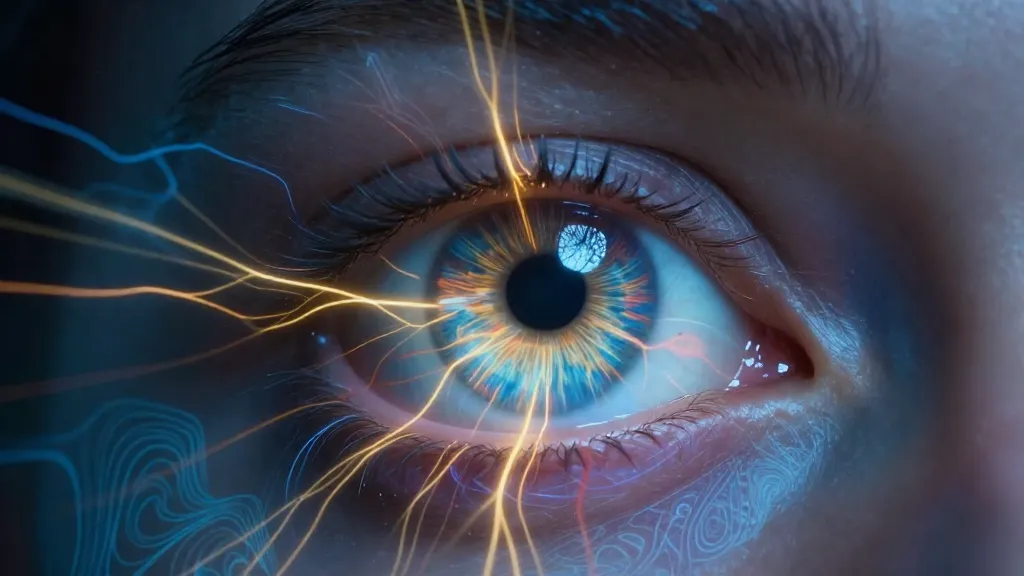
Remember when your teacher told you about the five senses in elementary school? Touch, taste, smell, sight, and hearing—the fundamental ways humans experience the world. Well, prepare to have your mind completely blown. Scientists are now suggesting we may actually possess 33 distinct senses, not just the five we learned about in our childhood textbooks.
This isn’t just academic hair-splitting. We’re talking about a complete reimagining of how your body constantly monitors and responds to the world around you, even when you’re not consciously aware of it.
Beyond the Basic Five
While Aristotle gave us the classic five senses over 2,000 years ago, modern neuroscience is revealing that human perception is far more sophisticated than ancient philosophy suggested. Just as we’ve moved beyond Aristotle’s belief that the world consists of only five elements, researchers are discovering that our sensory experience involves dozens of specialized systems working in harmony.
Think about it: when you wake up in the morning, you’re not just seeing, hearing, smelling, tasting, and touching. You’re sensing the stiffness in your shoulders, feeling the temperature of the air, detecting the position of your limbs without looking, and monitoring countless other environmental and internal factors.
The Hidden Senses You Use Every Day
Your body is constantly tracking sensations you probably never think about:
• Proprioception - Your awareness of where your body parts are in space • Temperature sensing - Detecting hot and cold beyond simple touch • Internal body awareness - Monitoring hunger, thirst, and other internal states • Balance and spatial orientation - Keeping you upright and oriented • Pressure detection - Sensing changes in atmospheric or physical pressure
These aren’t variations of the classic five senses—they’re entirely separate sensory systems with their own neural pathways and specialized receptors.
Why We Ignore Most of Our Senses
Here’s what’s fascinating: despite having all these sensory systems constantly feeding information to your brain, you’re probably only consciously aware of a fraction of them at any given moment. Modern life, spent largely in front of screens, tends to narrow our focus to just vision and hearing while our other senses operate in the background.
But when you become more alert and present, you start noticing the incredible richness of sensory information your body is processing. The rough texture of tree bark, the way your muscles feel after sitting too long, the subtle temperature changes as clouds pass over the sun—all of these involve separate sensory systems working together.
A Unified Sensory Experience
Perhaps the most revolutionary aspect of this research is how it reveals that our senses don’t operate in isolation. Almost all of our experience is multisensory, with different sensory systems influencing each other in real-time. What you see affects what you hear, and what you feel influences what you see.
This interconnected web of sensation creates a unified experience of both the world around us and our own bodies within that world. Rather than five separate channels of information, we’re dealing with a complex, integrated sensory network that’s constantly adapting and responding.
What This Means for Understanding Human Perception
This discovery challenges fundamental assumptions about human biology and consciousness. If we’ve been wrong about something as basic as how many senses we have, what else might we be missing about the incredible capabilities of the human body?
The research suggests that our sensory experience is far richer and more complex than we’ve traditionally understood. Every moment of your life, dozens of specialized systems are working together to create your perception of reality—most of it happening below the threshold of conscious awareness.
The next time someone asks you about the five senses, you might want to let them know they’re only scratching the surface of the amazing sensory capabilities that make you human.