
Lost Robot in Antarctica Returns with a Chilling Discovery
A missing robotic explorer vanished in Antarctica's frozen wilderness—and what it found when it returned is raising eyebrows among researchers.
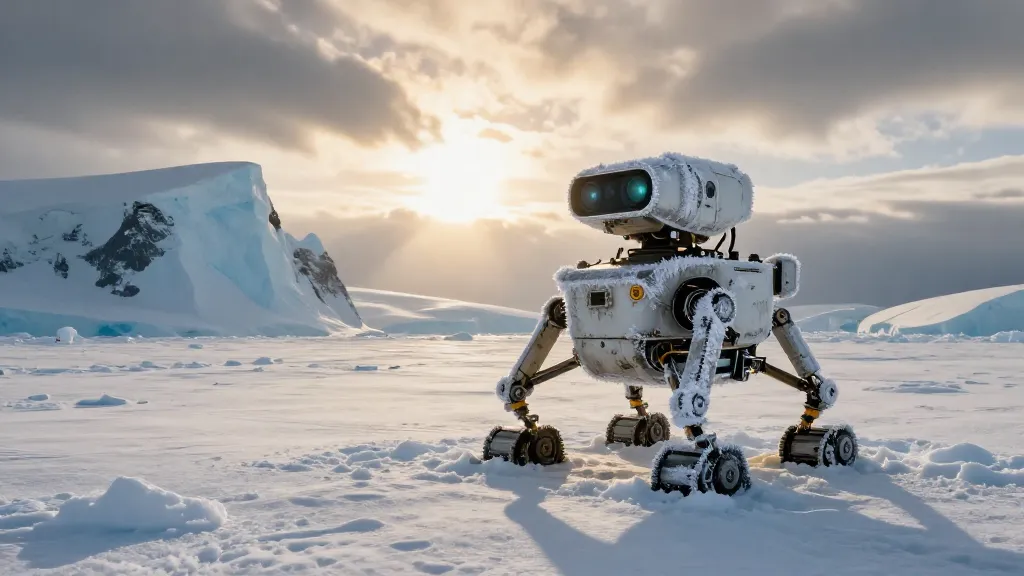
When a robotic explorer vanished into Antarctica’s unforgiving white expanse, scientists braced for the worst. What they didn’t expect was for their mechanical wanderer to find its way back—carrying data that would reshape how we understand one of Earth’s most extreme environments.
The Disappearing Act
Polar exploration has always pushed the boundaries of human endurance, but in recent years, robots have taken on the role of fearless scouts. These machines don’t need oxygen, don’t feel cold, and can venture into places where humans would simply perish. Yet Antarctica, with its howling winds, treacherous ice, and mind-bending isolation, proved to be more than a match for cutting-edge technology.
The robot’s disappearance sent shockwaves through the research community. Equipment failures in Antarctica aren’t uncommon—the extreme conditions are brutal on electronics and machinery alike. But this particular loss hit differently. Researchers had invested months of planning, considerable resources, and genuine hope into this mission.
Against All Odds: The Return
Then came the plot twist. Against expectations, the robot returned.
The mechanics of its survival remain remarkable. Operating in temperatures that would snap metal and freeze lubricants solid, the device somehow persisted through conditions that would disable most modern equipment. Its return wasn’t a dramatic rescue or a triumphant signal—it was simply there, having endured the Antarctic wilderness and made its way back to base.
What Makes This Discovery Matter
The data this robot collected while missing is what’s got researchers genuinely excited. Reports suggest the findings are raising important questions about Antarctic conditions and what lies beneath the ice.
What to watch for:
- How the robot’s findings change existing climate models
- New insights into subsurface conditions in Antarctica
- The implications for future autonomous polar exploration
- Whether this success will drive more investment in robotic polar research
Redefining Polar Exploration
This incident illustrates a fundamental shift in how we approach extreme-environment research. Robots aren’t replacing human curiosity—they’re extending it. They go where we can’t, collecting data that would otherwise remain hidden, all while operating on their own in some of the planet’s harshest conditions.
The robot’s journey, both literal and metaphorical, reminds us that breakthrough science often comes from the intersection of human ingenuity and machine resilience. Antarctica still holds countless secrets. Now, we have proof that our mechanical explorers can survive long enough to help us uncover them.