
400-Year-Old Sharks Hold the Secret to Beating Heart Disease That Kills Millions
Greenland sharks live for centuries with cardiovascular scarring that would be deadly in humans, potentially unlocking new approaches to heart disease prevention. Scientists are studying how these ancient predators defy aging and disease.
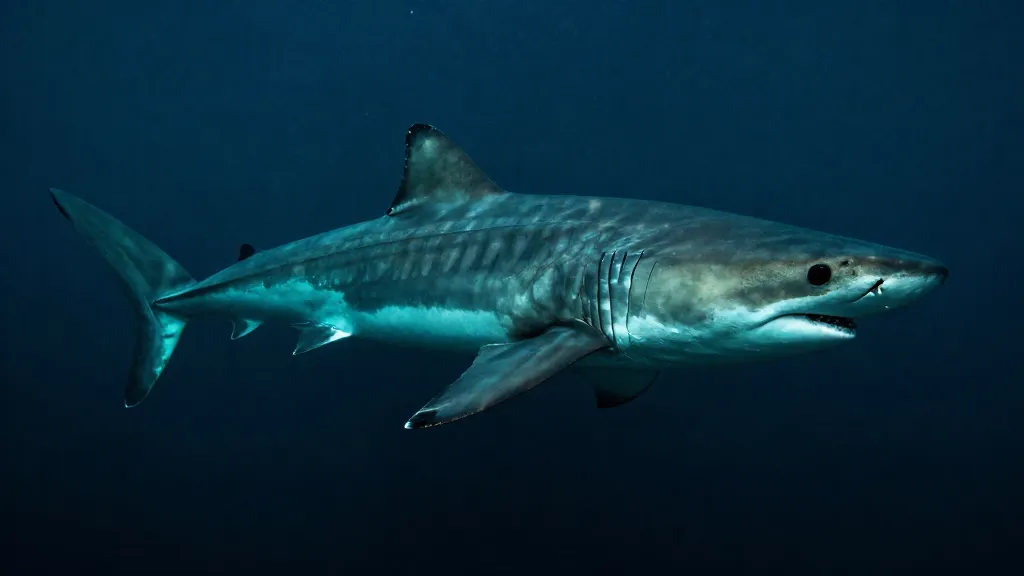
In the icy depths of the Arctic Ocean, ancient predators are quietly defying one of humanity’s greatest killers. Greenland sharks, some of which may have been swimming when Shakespeare was writing his plays, are challenging everything scientists thought they knew about heart disease and aging.
These remarkable creatures can live for more than 400 years, making them among the longest-lived vertebrates on Earth. But what’s truly extraordinary isn’t just their longevity—it’s how their hearts handle damage that would be fatal to humans.
The Cardiovascular Paradox That’s Baffling Scientists
Recent research has uncovered a medical mystery that could reshape our understanding of heart disease. Scientists studying Greenland sharks have discovered that these ancient fish develop cardiovascular scarring throughout their extraordinarily long lives—the same type of scarring that signals serious heart disease in humans.
Yet unlike humans, where such scarring often leads to heart failure and death, these sharks continue thriving for centuries with seemingly no ill effects from their damaged hearts.
The implications are staggering. Cardiovascular disease remains the leading cause of death worldwide, claiming millions of lives annually. If researchers can unlock how Greenland sharks survive with heart damage that would kill a human, it could open entirely new approaches to preventing and treating heart disease.
What Makes These Ancient Predators So Special
Greenland sharks inhabit some of the planet’s most extreme environments, slowly cruising through frigid Arctic waters at depths where sunlight never penetrates. Their metabolism runs so slowly that they move like underwater ghosts, yet this unhurried pace may be key to their remarkable longevity.
Key characteristics that set them apart:
- Extremely slow growth rate and metabolism
- Tolerance for near-freezing temperatures
- Ability to survive in low-oxygen environments
- Unique tissue composition that resists typical aging processes
The scarring that researchers observe in these sharks’ cardiovascular systems would typically indicate serious disease progression in mammals. In humans, such damage often results from conditions like heart attacks, high blood pressure, or chronic inflammation—all potentially life-threatening situations.
The Race to Decode Nature’s Secret
Scientists are now working to understand the biological mechanisms that allow these sharks to essentially ignore cardiovascular damage that would be catastrophic for other species. Reports suggest that the sharks’ unique physiology may offer insights into how aging and disease progression could be slowed or even reversed.
The research is still in its early stages, but observers note that this discovery could represent a fundamental shift in how medical science approaches cardiovascular health. Rather than focusing solely on preventing heart damage, future treatments might aim to help human hearts function normally despite scarring—much like these ancient sharks do naturally.
What This Could Mean for Human Health
The potential applications are vast and exciting. If researchers can identify the specific biological pathways that protect Greenland shark hearts from the effects of scarring, they might be able to develop new therapies for human cardiovascular disease.
This research represents more than just an interesting biological curiosity—it could be the key to helping millions of people live longer, healthier lives despite heart damage that currently proves fatal.
As scientists continue studying these remarkable creatures, one thing becomes clear: sometimes the most profound medical breakthroughs come from the most unexpected places. In this case, the secret to beating humanity’s biggest killer might be swimming slowly through the Arctic depths, carried by creatures that have been perfecting the art of survival for longer than human civilization has existed.
The ancient wisdom of Greenland sharks may yet prove to be medicine’s next great leap forward.