
Scientists Discover the Brain Circuit That Makes You Procrastinate—And How to Turn It Off
Neuroscientists have identified the specific neural circuit responsible for procrastination and found a way to disrupt it with targeted intervention. Your habit of putting things off isn't about willpower—it's hardwired in your brain.
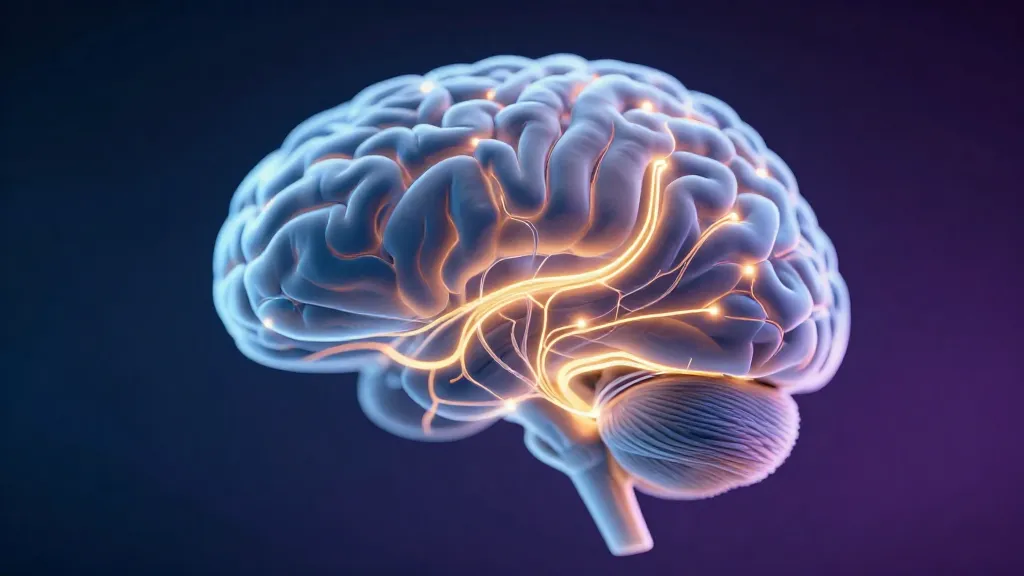
That familiar feeling hits again—you know you should tackle that important project, but somehow you find yourself reorganizing your desk drawer or scrolling through social media instead. For decades, procrastination has been dismissed as a character flaw or lack of willpower. But groundbreaking new research suggests your tendency to put things off isn’t a personal failing—it’s actually hardwired into your brain’s circuitry.
The Biology Behind Your Delay Tactics
Scientists have made a remarkable discovery that could revolutionize how we understand procrastination. Recent research has identified a specific neural circuit that appears to be responsible for our tendency to avoid certain tasks and leave them for later. This finding represents a major shift from viewing procrastination as a behavioral choice to understanding it as a biological phenomenon.
The research, which has captured attention in the scientific community, suggests that when we procrastinate, we’re not simply being lazy or undisciplined. Instead, our brains are following a predetermined neural pathway that essentially hijacks our decision-making process.
Breaking the Circuit
Perhaps even more exciting than the discovery itself is what researchers found they could do about it. In laboratory settings, scientists were able to disrupt this procrastination circuit using pharmacological intervention. Reports suggest that when this specific neural connection was interrupted with targeted drugs, the typical procrastination response was significantly reduced.
What This Means for Understanding Behavior
This breakthrough challenges fundamental assumptions about human behavior and self-control. The implications extend beyond just productivity—this research could reshape how we think about:
- Personal responsibility versus biological predisposition
- Treatment approaches for chronic procrastination
- Educational and workplace strategies
- Mental health interventions
The Science of Task Avoidance
While the specific mechanisms are still being studied, the research indicates that procrastination involves distinct neural pathways that can be measured and potentially modified. This biological basis helps explain why traditional advice like “just buckle down” or “use more willpower” often fails to create lasting change.
The neural circuit discovery also provides insight into why some people seem naturally more prone to procrastination than others. Rather than reflecting differences in character or motivation, these variations may stem from individual differences in brain wiring and neural activity patterns.
Current Limitations and Future Possibilities
It’s important to note that while these findings are promising, the research appears to be in early stages. The drug interventions mentioned were conducted in controlled research settings, and it remains unclear whether such treatments would be practical or safe for everyday human use.
Observers note that translating laboratory findings into real-world applications often takes years of additional research and testing. The current interventions should be considered experimental rather than immediately available treatments.
Beyond the Lab
Even without pharmaceutical interventions, this research offers valuable insights for anyone struggling with chronic procrastination. Understanding that the tendency to delay tasks has a biological component can be both relieving and empowering—it removes the shame often associated with procrastination while opening new avenues for addressing it.
The discovery suggests that effective procrastination interventions might need to work with, rather than against, our brain’s natural tendencies. This could lead to more sophisticated behavioral strategies and potentially even non-pharmaceutical interventions that target the same neural circuits.
As scientists continue to unravel the mysteries of procrastination at the neural level, one thing becomes clear: your habit of putting things off says more about your brain chemistry than your character. And that might just be the first step toward finally conquering those delayed deadlines.