
The Woman Scientist Erased from Ozempic's Billion-Dollar Success Story
Biochemist Svetlana Mojsov's groundbreaking research was crucial to developing Ozempic, but male colleagues took the credit and patents for decades. Her 40-year fight for recognition exposes deep gender bias in scientific achievement.
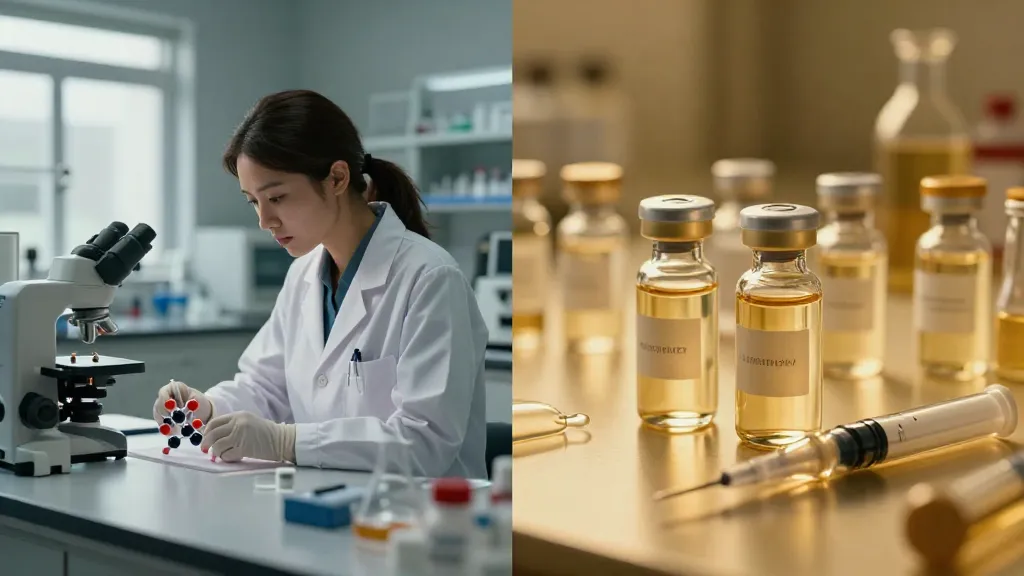
The world knows Ozempic as the blockbuster weight-loss drug that’s revolutionized obesity treatment and captured headlines from Hollywood to Main Street. What most people don’t know is that a brilliant biochemist named Svetlana Mojsov played a crucial role in making it possible—only to watch male colleagues claim the credit, patents, and glory for decades.
Mojsov’s story isn’t just about one scientist’s fight for recognition. It’s a stark reminder of how women’s contributions to groundbreaking medical discoveries continue to be systematically erased, even in an era when we like to believe science has moved past such biases.
The Science Behind the Sensation
Mojsov’s research on GLP-1 receptors became foundational to developing the class of drugs that includes Ozempic. These medications work by mimicking hormones that regulate blood sugar and slow digestion, leading to significant weight loss in many patients. The science was complex, the potential enormous, and the commercial success that followed has reached billions of dollars.
Yet when patents were filed and credit was distributed, Mojsov found herself pushed to the sidelines while male scientists stepped into the spotlight. Reports suggest this pattern repeated itself over decades as the research evolved from laboratory discovery to commercial blockbuster.
Four Decades of Fighting for Recognition
Mojsov’s battle for acknowledgment has spanned an astonishing 40 years—nearly half a century of watching others receive accolades for work she helped create. According to reports, she has persistently fought to correct the record, challenging the narrative that has written her out of one of modern medicine’s most profitable success stories.
The biochemist’s struggle highlights several troubling patterns in scientific recognition:
- Male colleagues receiving primary patent credit for collaborative work
- Women’s contributions being minimized or forgotten in official histories
- Commercial success amplifying existing gender disparities in scientific attribution
- Institutional resistance to correcting historical records
The Broader Pattern of Erasure
Mojsov’s experience echoes countless other cases where women scientists have been relegated to footnotes in discoveries they helped create. From Rosalind Franklin’s crucial role in discovering DNA’s structure to Katherine Johnson’s calculations that put humans on the moon, the pattern of erasing women’s scientific contributions has deep historical roots.
What makes Mojsov’s case particularly striking is how it has played out in real-time, during an era when awareness of gender bias in science has supposedly increased. Her ongoing fight suggests that recognition and equity remain elusive goals, even for groundbreaking work that generates massive commercial success.
Beyond Individual Recognition
The implications extend far beyond one scientist’s career. When women’s contributions are systematically erased from scientific narratives, it affects everything from funding decisions to career advancement opportunities for the next generation of researchers. Young women entering science need to see that their work will be valued and remembered.
Observers note that patent attribution carries particular weight in the pharmaceutical industry, where intellectual property rights translate directly into financial rewards and professional standing. Being written out of these records doesn’t just affect historical recognition—it impacts real-world compensation and career trajectories.
The Cost of Invisibility
As Ozempic and related drugs continue to transform treatment for diabetes and obesity, generating unprecedented profits for pharmaceutical companies, the question of who deserves credit becomes more than academic. The billions of dollars in revenue flowing from these discoveries make the stakes of proper attribution extraordinarily high.
Mojsov’s four-decade fight represents more than personal vindication—it’s a test case for whether the scientific community can confront its own biases and correct historical injustices. Her persistence in challenging the established narrative, despite decades of resistance, demonstrates both the depth of the problem and the determination required to address it.
The next time you hear about Ozempic’s remarkable success, remember that behind every breakthrough drug lies a complex web of scientific contributions. Some of those contributors, like Svetlana Mojsov, are still fighting to ensure their role in medical history isn’t forgotten. Their struggle reveals uncomfortable truths about how scientific credit is distributed—and reminds us that true progress requires acknowledging all the minds that make discovery possible.