
Why Mosquitoes Bite Some People More Than Others: Scientists Finally Have Answers
Case Western Reserve University researchers have identified the biological factors that make certain people mosquito magnets—and it could change how you protect yourself this summer.
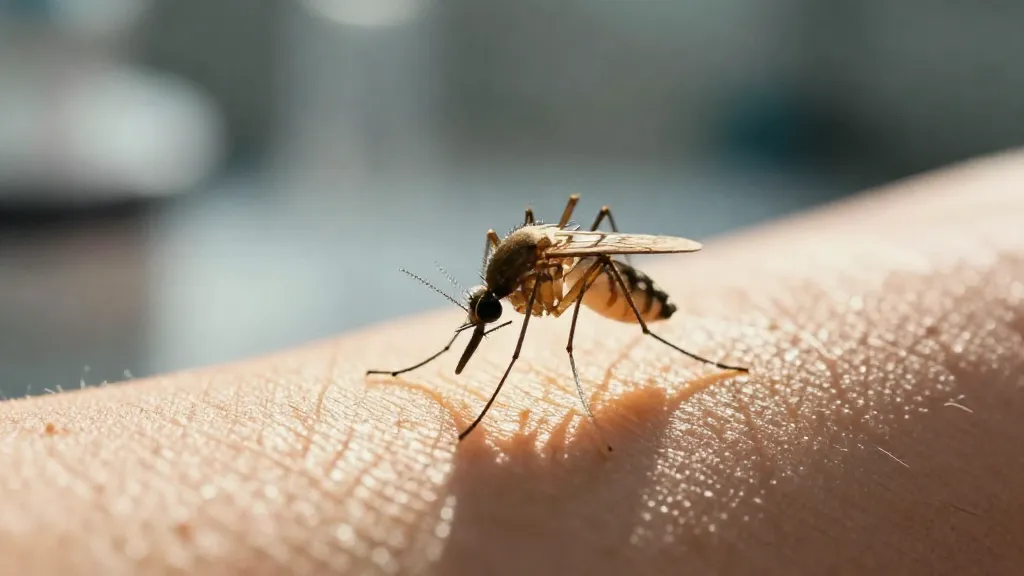
You’ve probably been there: sitting outside with friends, and while everyone else enjoys their evening, you’re swatting away mosquitoes like they’ve declared war on you specifically. It feels personal. It feels unfair. And it turns out, there’s actually a biological reason why mosquitoes zero in on some people while leaving others practically untouched.
Researchers at Case Western Reserve University have been investigating this age-old summer mystery, and they’ve identified specific biological factors that determine whether you’re a mosquito magnet or relatively safe from their relentless buzzing. The findings could fundamentally change how you approach mosquito protection this season.
The Mystery Everyone Notices (But Science Couldn’t Explain—Until Now)
Mosquito discrimination is real, and it’s not just in your head. Some people genuinely do attract more mosquitoes than others. For decades, this was chalked up to folklore: your blood type, your body temperature, or the foods you eat. But without solid scientific backing, it remained more myth than fact.
CWRU researchers decided to dig deeper, moving beyond guesswork to uncover the actual biological mechanisms at work. Their investigation revealed that mosquitoes aren’t just randomly choosing victims—they’re responding to measurable biological signals that some people naturally emit more strongly than others.
What Scientists Found
The research points to biological factors that make certain individuals more attractive to mosquitoes. While the specific mechanisms identified by the team are still being detailed in ongoing research, the takeaway is clear: it’s not your imagination, and it’s not purely random.
Understanding these biological factors opens the door to more effective, personalized mosquito protection strategies. Rather than relying on one-size-fits-all solutions, people who know they’re naturally attractive to mosquitoes can take more targeted approaches to staying bite-free.
What to Watch For
- Whether you’re naturally more attractive to mosquitoes (certain biological factors make this more likely)
- How your body chemistry might differ from others around you
- Opportunities to adjust your summer protection routine based on your personal mosquito risk
- Updates from CWRU as their research continues to develop
Why This Matters for Your Summer
Peak mosquito season is when most people are spending time outdoors—exactly when you want to be comfortable. If you’re someone mosquitoes have always targeted, knowing there’s a biological reason (rather than just bad luck) is validating. More importantly, it means you can stop guessing at solutions and start using science-backed strategies.
The CWRU findings suggest that a one-size-fits-all approach to mosquito protection isn’t ideal. If you’re biologically more attractive to mosquitoes, you might need stronger defenses or more frequent reapplication of repellents. If you’re naturally less attractive to them, you might get away with less intensive protection.
What Comes Next
Researchers are continuing to refine their understanding of these biological factors. As the science develops, we’ll likely see more targeted and effective mosquito prevention strategies emerge—ones designed with the reality that some people are simply more of a target than others.
For now, if you’ve always felt like mosquitoes have it out for you, take comfort: science confirms you’re not paranoid. And with this new understanding, you can finally do something about it.