
Northern Lights Alert: 11 US States Could See Aurora This Week After Massive Solar Flare
A powerful X8.1 solar flare is triggering rare geomagnetic storms that could make the Northern Lights visible across 11 northern US states through Friday. Here's where and when to look up.
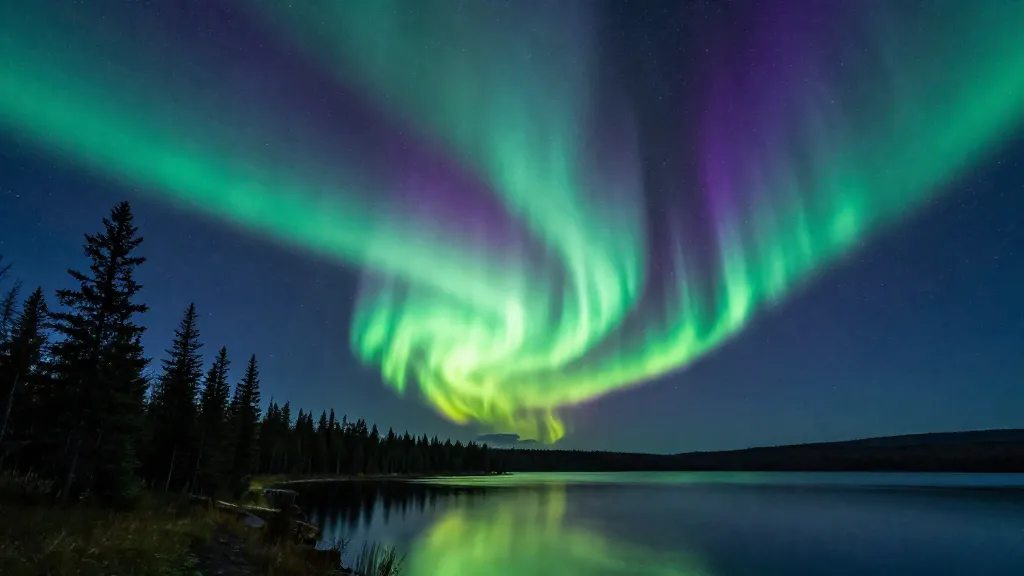
The sun just delivered a cosmic surprise that could light up the night sky across much of the northern United States this week. A massive X8.1 solar flare erupted from the sun’s surface, sending a stream of charged particles hurtling toward Earth—and that means millions of Americans might catch a rare glimpse of the Northern Lights from their own backyards.
What’s Behind This Week’s Aurora Show
The spectacular light show traces back to a hyperactive region on the sun known as Region 4366. This solar hotspot has been putting on quite the performance lately, cranking out both M-class and X-class flares with remarkable consistency. The latest eruption—an X8.1 flare that peaked at 6:57 PM ET on Thursday—ranks as one of the stronger solar events we’ve seen recently.
When these solar flares occur, they often launch what scientists call coronal mass ejections (CMEs) into space. Think of it as the sun spitting out billions of tons of magnetized plasma that race through the solar system at incredible speeds. The Space Weather Prediction Center’s modeling suggests that while the bulk of this particular CME will pass north and east of our planet, Earth should still experience glancing effects that could trigger geomagnetic storms.
The Perfect Storm for Aurora Viewing
NOAA forecasters are predicting G1-class geomagnetic storms beginning Thursday, February 5, and continuing through Friday, February 6. While G1 represents the mildest category of geomagnetic disturbance, it’s still powerful enough to push the aurora much further south than usual.
Reports suggest that 11 northern US states could experience aurora visibility during this window, though specific state listings weren’t detailed in the available forecasts. The viewing opportunity appears most promising during the overnight hours when skies are darkest.
What to Watch For
When scanning the northern horizon for aurora activity, keep an eye out for:
- Green curtains or bands of light dancing across the sky
- Occasional red or purple hues mixed with the dominant green
- Subtle movements that can shift from gentle waves to rapid flickering
- Light that appears to “pulse” or breathe across the horizon
Timing Your Aurora Hunt
The key to successful aurora viewing lies in timing and location. The geomagnetic storms are expected to be most active during the late evening and overnight hours of February 5-6. For the best chances of spotting the lights, plan to head outside after 10 PM local time and be prepared to stay out for at least an hour.
Clear, dark skies away from city lights will give you the best shot at witnessing this natural phenomenon. Even a short drive outside urban areas can make a dramatic difference in what you’re able to see.
More Solar Fireworks Ahead
Region 4366 shows no signs of calming down anytime soon. Space weather forecasters note that this active region continues producing both M and X-class flares, suggesting that more exciting solar activity could be on the horizon in the coming days. This means additional opportunities for aurora viewing might emerge beyond this week’s initial window.
The ongoing solar activity serves as a reminder that our sun is approaching the peak of its 11-year activity cycle, making events like these more common than they’ve been in recent years.
Whether you’re a seasoned aurora chaser or someone who’s never seen the Northern Lights before, this week presents a rare opportunity to witness one of nature’s most breathtaking displays without traveling to the Arctic Circle. Just remember to dress warmly, bring a comfortable chair, and give your eyes time to adjust to the darkness—the show could be worth the wait.