
Horsehair Worms: The Mind-Controlling Parasites in Your Pool
Those mysterious black threads in your swimming pool aren't plant roots—they're ancient parasites that hijack insect brains and survive being eaten twice. Here's why scientists are both fascinated and concerned about their spreading range.
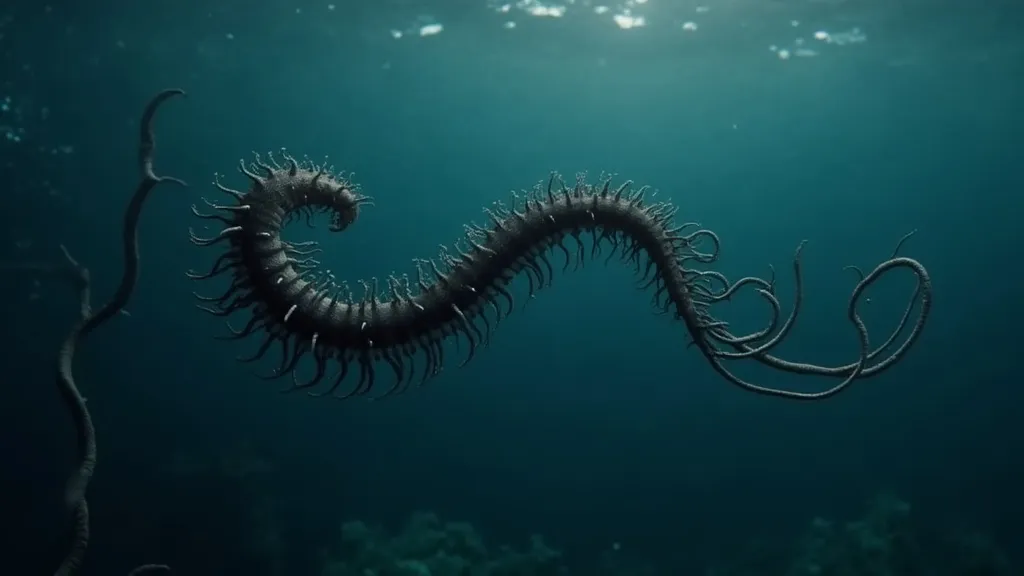
You’ve probably seen them—long, dark, thread-like organisms coiled at the bottom of swimming pools, horse troughs, or birdbaths. Most people assume they’re just decomposing plant roots or harmless debris. Public health departments field calls about them every summer, offering the same reassurance: “Don’t worry, they’re perfectly harmless.”
And they’re right. Sort of.
What they’re not telling you is what these creatures actually are and the genuinely disturbing things they do to survive. Welcome to the strange world of horsehair worms—parasites that have mastered mind control, survived for 100 million years, and might be expanding into waters near you.
What Are Horsehair Worms?
Horsehair worms (also called Gordian worms) are parasitic creatures that target insects like grasshoppers, crickets, and beetles. While they pose zero threat to humans, what they do to their insect hosts is the stuff of science fiction nightmares.
The lifecycle begins when a microscopic larva gets accidentally consumed by an unsuspecting insect. But unlike most parasites that quickly kill their hosts, horsehair worms play the long game.
The Horrifying Takeover
Months of Silent Growth
Once inside its host, the worm doesn’t immediately kill. Instead, it grows—sometimes for months on end. It absorbs nutrients directly through its skin while coiling up inside the insect’s body cavity, getting longer and longer. In extreme cases, these worms can reach up to six feet in length.
All the while, the cricket or grasshopper continues its daily routine, completely oblivious to the fact that it’s being systematically hollowed out from the inside.
The Mind Control Protocol
Here’s where things get truly dark.
When the worm reaches maturity and needs to reproduce, it faces a problem: it must return to water. The solution? Hijack the host’s brain.
Scientists have discovered that horsehair worms actually alter the neural chemistry of infected insects. They manipulate how the bug processes light, making it unnaturally attracted to the shimmer of water surfaces. The infected cricket will abandon everything—food, shelter, safety—and compulsively walk toward water.
It’ll climb to high places and jump. It’ll seek out streams, ponds, and pools.
And then, in a final act of parasitic puppetry, it drowns itself.
The Double Survival Trick
As the cricket drowns, the worm bursts out of its dying host into the water. Mission accomplished, right?
Not quite.
Sometimes a fish spots the drowning cricket and eats it before the worm can fully escape. Game over for the parasite? Absolutely not.
In a discovery that stunned scientists, researchers found that horsehair worms can survive inside a fish’s stomach and actually wiggle their way back out of the predator that just consumed their host.
Think about that for a moment: these worms survive the death of their host AND escape from the digestive system of whatever ate that host. Two different animals tried to kill it, and it escaped both.
Should You Be Concerned?
If you’re finding horsehair worms in your pool or pond, here’s what you should know:
The Concerning Part
No, they won’t hurt you. But their presence tells us something interesting about our changing environment:
- Scientists estimate there are probably 2,000 species worldwide that we haven’t even identified yet
- They’re in far more places than previously realized
- Recent studies show they’re expanding their range northward as global temperatures warm
- That pool where you’re finding them? They likely weren’t there 20 years ago
The Positive Twist
Before you drain your pool in horror, consider this: horsehair worms are actually crucial to healthy ecosystems.
A Japanese study found that infected insects made up 60% of the annual diet of a local fish species. These worms transfer energy from land to water in ways that shape entire food webs.
Even better? They only thrive in clean water. Finding horsehair worms actually means your water quality is good—they’re an indicator species.
An Ancient Horror, Hiding in Plain Sight
Horsehair worms have been perfecting their craft for at least 100 million years. They’ve mastered mind control, developed impossible survival strategies, and spread invisibly across the globe.
And they’re probably in the creek behind your house right now, doing what they’ve always done.
We just never noticed.
The next time you spot those dark, thread-like coils in your pool, remember: you’re not looking at debris. You’re looking at one of nature’s most successful parasites—a creature that’s been manipulating minds since the age of dinosaurs and shows no signs of stopping.
Nature isn’t always comfortable. But it’s always fascinating.
Have you ever found horsehair worms in your pool or local water source? The chances are higher than you think. And now that you know what they are, you’ll never look at them the same way again.