
The Horrifying Parasite That Mind-Controls Its Victims
Horsehair worms can grow six feet long inside crickets, mind-control their hosts to seek water, and survive being eaten twice. This disturbing parasite might be living in your backyard pool right now.
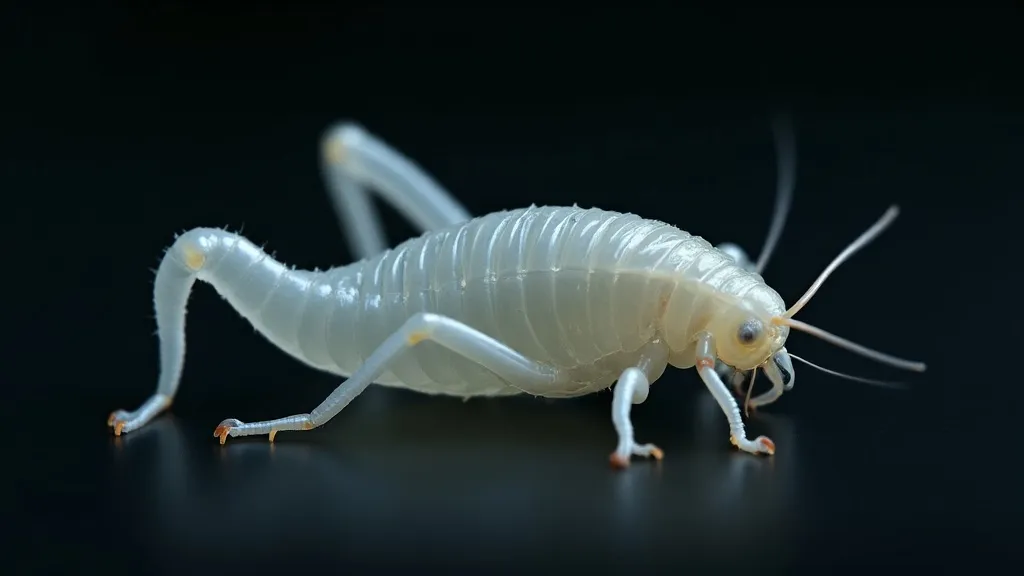
Imagine discovering a six-foot-long organism in your backyard pool. Now imagine learning that it got there by hijacking another creature’s brain. This isn’t science fiction—it’s the terrifying reality of the horsehair worm, one of nature’s most disturbing parasites.
The Silent Invasion
The nightmare begins innocently enough. A cricket or grasshopper takes a drink from what appears to be harmless water. But that single drop contains microscopic horsehair worm larvae, and the insect has just sealed its fate.
Once inside the host’s mouth, the larva doesn’t waste time. It burrows directly into the blood cavity and begins its slow, methodical takeover. For months, this parasitic intruder absorbs nutrients through its skin, molting and growing longer with each passing day. The infected insect continues its normal life, completely unaware of the unwelcome passenger coiling up inside its body.
The Mind-Control Protocol
Here’s where this biological horror story takes a truly sinister turn.
As the worm matures, it doesn’t just feed off its host—it reprograms its brain. The parasite produces specialized proteins that fundamentally alter how the cricket’s brain interprets light, specifically horizontally polarized light—the exact type that reflects off water surfaces.
The transformation is dramatic. A cricket that has spent its entire existence in dry grass suddenly becomes obsessed with finding water. Scientists have documented that infected insects become twenty times more likely to seek out streams and pools than their healthy counterparts. The worm has literally rewritten its host’s perception of reality to serve a single purpose: completing the parasite’s life cycle.
The Explosive Exit
When the manipulated insect finally reaches water and jumps in, the horsehair worm makes its dramatic appearance. It erupts from the host’s body in a scene that seems ripped from a horror movie.
The proportions are staggering. A six-foot worm can emerge from a two-inch cricket—three times longer than the host body itself. The parasite had been coiled up inside the entire time, compressed like a nightmarish jack-in-the-box waiting for the perfect moment to spring free.
Surviving the Unsurvivable
But the horsehair worm’s resilience doesn’t end there.
When a fish eats an infected insect, most parasites would meet their end. Not the horsehair worm. This remarkable creature survives digestion. Researchers have documented cases where the worm not only endures being eaten but actively wiggles its way out of the predator’s body afterward.
That’s right—this parasite can survive being eaten twice.
They’re Closer Than You Think
Before you breathe a sigh of relief thinking these creatures live in some remote wilderness, consider this: horsehair worms thrive in swimming pools, horse troughs, and puddles in your driveway. Any standing water can harbor them.
Even more unsettling? Scientists estimate there are approximately two thousand species of horsehair worms we haven’t even catalogued yet. These manipulative parasites are far more common and diverse than most people realize.
Biological Theft at the Genetic Level
The proteins horsehair worms use to manipulate their hosts represent one of nature’s most sophisticated examples of biological warfare. But here’s the kicker: they didn’t evolve these proteins themselves.
Through horizontal gene transfer, horsehair worms literally stole the genes directly from insects’ genomes. They’re using their victims’ own biology against them—a molecular hijacking that blurs the line between predator and prey in the most disturbing way possible.
The Gordian Knot Phenomenon
When horsehair worms mate, they create something from mythology made real. Hundreds of them tangle together in writhing masses called Gordian knots—named after the legendary knot from Greek mythology that was impossible to untie.
People who encounter these squirming balls in streams often mistake them for moving roots or aquatic plants. They’re witnessing something far stranger: a mass mating ritual of parasites that specialize in mind control.
The Bigger Picture
The horsehair worm represents just one example of how parasites have evolved extraordinary strategies for survival. Their ability to manipulate host behavior raises profound questions about free will, consciousness, and the invisible influences that shape animal behavior.
While horsehair worms don’t infect humans, their existence serves as a humbling reminder of nature’s complexity. In backyards, pools, and streams around the world, these master manipulators continue their ancient life cycle—commandeering brains, surviving impossible odds, and thriving in the spaces between predator and prey.
The next time you see a cricket acting strangely near water, you might wonder: is it making its own choices, or is something else pulling the strings?