
January Supermoon and Quadrantids Meteor Shower: Your 2025 Stargazing Guide
A stunning supermoon and the year's first major meteor shower are lighting up January skies. Here's when and where to catch nature's most dazzling celestial show.
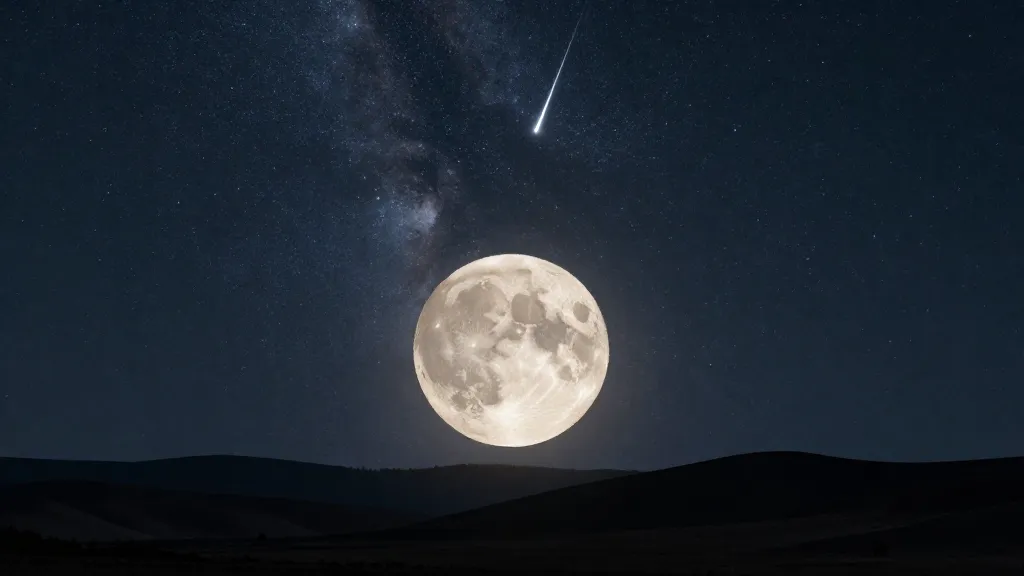
January skies are about to put on a show that won’t come around again for years—and you won’t need fancy equipment or an observatory to catch it. A stunning supermoon and the year’s first major meteor shower are converging in early January, creating a rare celestial double feature that’s impossible to miss. Whether you’re an astronomy enthusiast or someone who just enjoys looking up, this is your moment to witness nature’s most dazzling light display.
What’s Happening in January’s Night Sky
Two major astronomical events are stealing the spotlight this month, and the timing couldn’t be more dramatic. A supermoon—when our nearest celestial neighbor appears larger and brighter than usual—is coinciding with the Quadrantids meteor shower, one of the most active and reliable meteor showers of the year. Observers note that this convergence creates a unique opportunity to experience multiple forms of cosmic beauty in rapid succession.
The supermoon occurs when the moon reaches its closest point to Earth in its orbit while simultaneously being in its full phase. The result? A moon that looks visibly larger and shines noticeably brighter than a typical full moon. For casual stargazers, this means an especially luminous night sky that’s both breathtaking and easy to appreciate without any special equipment.
Peak Viewing Times and When to Look
The key to catching both events is knowing exactly when they’re happening. The Quadrantids meteor shower is most active in early January, with peak activity typically occurring over just a few nights. During peak hours, observers in ideal conditions can spot dozens of meteors streaking across the sky per hour.
The supermoon will dominate the night sky during its fullest phase, providing an almost dreamlike backdrop to the meteor shower. The bright moonlight does present one challenge—it can wash out some of the fainter meteors—but the most brilliant shooting stars will still be visible and absolutely worth watching for.
How to Watch (No Telescope Required)
One of the best things about both of these events is their accessibility. You don’t need a telescope, binoculars, or any special equipment:
- Find a location away from city lights if possible—even a short drive away from urban areas can make a dramatic difference
- Let your eyes adjust to the darkness for at least 15-20 minutes before looking for meteors
- Lie back on a blanket or chair and look straight up, rather than straining your neck
- Avoid looking at your phone’s bright screen, which will reset your eyes’ adjustment to darkness
- Dress warmly—January nights get cold, and you’ll be outside for a while
What to Watch For
Make note of these key details as you prepare for your stargazing adventure:
- The supermoon’s brightness: Notice how much larger and more luminous it appears compared to typical full moons
- Meteor patterns: Shooting stars will appear to radiate from a specific point in the sky, though they can streak anywhere across the heavens
- Duration: Meteor activity peaks during certain hours, so check specific timing for your location
- Color variations: The brightest meteors often display different colors as they burn through the atmosphere
Why This Moment Matters
These celestial events remind us of our place in the cosmos and offer a rare moment of wonder that doesn’t require technology, membership fees, or expertise. In a world often consumed by screens and indoor activities, January’s sky offers something genuinely awe-inspiring and completely free.
The convergence of a supermoon and an active meteor shower is the kind of astronomical alignment that sparks conversations, brings people together, and creates memories that last. Whether you’re watching alone with a cup of hot cocoa or gathering friends and family for a backyard astronomy party, this is prime-time stargazing.
Don’t Let This Pass You By
January’s celestial show is time-sensitive. Once these peak nights pass, it will be years before we see this particular combination of events again. The window is narrow, the conditions are favorable, and the experience is worth the effort of stepping outside on a cold winter night.
Clear skies are in the forecast for stargazing—both literally and figuratively. Mark your calendar, grab a blanket, and prepare to look up. Nature’s light show is waiting.