
Space Mirror Gets Green Light: California Company Approved to Test Orbital Sunlight Reflector
A Southern California energy company just won FCC approval to test a giant orbital mirror designed to reflect sunlight to Earth's darkest regions, potentially addressing seasonal darkness and energy challenges in unprecedented ways.
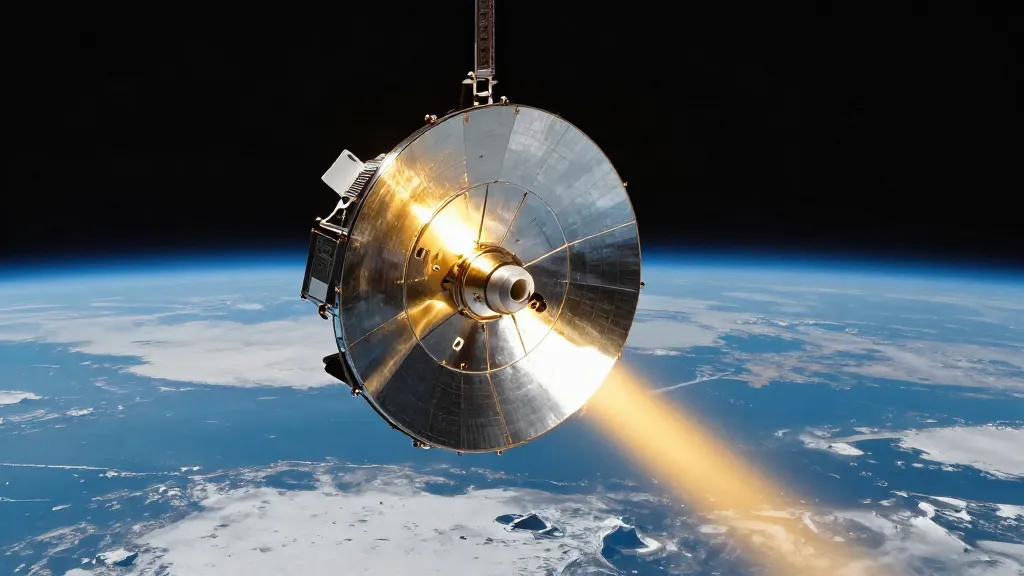
Imagine a world where the polar night—months of unrelenting darkness—could be interrupted by artificial sunlight reflected from space. That’s no longer pure science fiction. A Southern California energy company has just cleared a major regulatory hurdle, winning Federal Communications Commission approval to test an orbital mirror designed to do exactly that. The implications are staggering, and the questions it raises are just as big.
The FCC Gives the Green Light
Reflect Orbital, based in Hawthorn, California, recently received its FCC license to move forward with testing a space-based mirror system. This isn’t a vague concept or a pitch deck—it’s a real project that regulators have deemed viable enough to test. The approval marks a watershed moment for a technology that sounds like it belongs in a sci-fi novel but is inching closer to reality.
The mirror’s purpose is straightforward in concept but staggering in scope: reflect sunlight to regions of Earth that experience extended periods of darkness, particularly polar and remote areas. For communities that endure months without daylight, the potential applications span from addressing seasonal depression and energy generation to supporting agriculture and human wellbeing in ways we’re only beginning to understand.
Why This Matters Now
Seasonal darkness isn’t just an inconvenience—it’s a documented challenge for human health, productivity, and energy systems in high-latitude regions. Reports suggest that artificial sunlight could help mitigate these effects on a scale previously thought impossible.
What makes Reflect Orbital’s approval significant:
- Regulatory validation: The FCC doesn’t hand out licenses lightly. Approval suggests the project has cleared serious technical and safety reviews.
- Real-world testing: This moves beyond theory into actual experimentation in orbit.
- Energy innovation: The technology could reshape how we think about renewable energy and seasonal resource challenges.
- Humanitarian angle: Polar communities could experience tangible improvements in quality of life.
The Unanswered Questions
Of course, approval for testing doesn’t mean the technology is ready for deployment—or that it should be. Observers note that orbital mirrors raise legitimate concerns worth taking seriously.
Geoengineering and Unintended Consequences
Any technology powerful enough to alter how sunlight reaches Earth’s surface warrants caution. Questions linger about potential environmental impacts, effects on ecosystems, and whether reflecting sunlight to one region might have ripple effects elsewhere. These are the kinds of questions that testing is meant to answer, but they underscore why this technology remains controversial even as it advances.
Technical and Practical Hurdles
Building and maintaining a functional space mirror is an engineering challenge of immense proportions. Positioning, stability, precision, and durability all present obstacles that testing will help clarify.
What Comes Next
The FCC approval is a green light for testing, not deployment. Reflect Orbital will now work to demonstrate whether the concept works as theorized and whether it can do so safely and reliably. The coming months and years will be crucial for understanding both the promise and the pitfalls of this technology.
What to watch for:
- Test results and timelines from Reflect Orbital’s orbital experiments
- Environmental impact assessments and scientific peer review
- International response and regulatory frameworks that may emerge
- Community feedback from regions that could benefit from or be affected by the technology
The Bigger Picture
Reflect Orbital’s FCC approval represents something larger than one company’s innovation. It signals that regulators, engineers, and society are taking seriously the challenge of extending human capability into space to solve problems on Earth. Whether this particular mirror becomes a reality or remains a fascinating experiment, it reflects our collective willingness to think big about the future.
The darkness at the poles has defined human experience in those regions for millennia. Now, for the first time, we have a credible plan to challenge that reality—one reflected beam at a time.