
Breaking: ISS Astronaut Medical Emergency Forces Crew Handover as Evacuation Unfolds
NASA astronaut medical evacuation from International Space Station triggers immediate crew control transfer on Monday. Critical space station operations continue as emergency protocols activate.
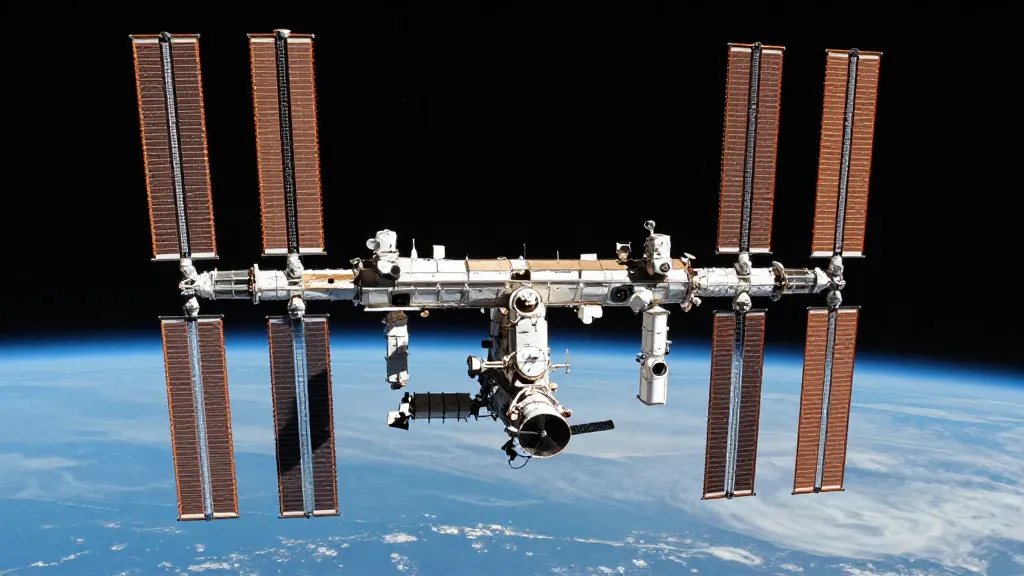
A medical emergency 250 miles above Earth has triggered one of the most complex evacuation scenarios in modern spaceflight, as NASA races against time to bring an International Space Station astronaut safely home. The unfolding situation has forced an immediate handover of station control, highlighting the extraordinary challenges of providing medical care in the unforgiving environment of space.
Critical Control Transfer Underway
Reports indicate that a Crew-11 pilot is preparing to hand over control of the International Space Station today, Monday, January 12, 2026, as part of the emergency response protocols. This transfer represents a crucial step in maintaining station operations while managing the medical evacuation of a crew member.
The handover process involves transferring command responsibilities to ensure continuous oversight of the station’s critical systems, life support operations, and ongoing scientific missions. Space station protocols require seamless transitions of authority during emergency situations to prevent any disruption to the facility’s complex operations.
The Stakes of Space Medical Emergencies
Medical emergencies aboard the ISS present unique challenges that don’t exist on Earth. Key factors that complicate space-based medical situations include:
- Limited medical equipment and supplies
- Inability to perform complex surgical procedures
- Reduced effectiveness of medications in microgravity
- Extended evacuation timelines compared to terrestrial emergencies
- Communication delays with ground-based medical teams
Evacuation Procedures in Motion
While specific details about the astronaut’s condition remain limited, the activation of evacuation protocols suggests the medical situation requires immediate attention that cannot be adequately addressed aboard the station. NASA’s emergency response procedures involve coordination between multiple international partners and require precise timing to ensure crew safety.
The evacuation process typically involves preparing a crew return vehicle, coordinating with ground recovery teams, and ensuring proper medical support is available upon landing. These operations can take hours or days to execute safely, depending on orbital mechanics and weather conditions.
Maintaining Station Operations
Despite the emergency situation, the International Space Station continues its essential functions. The facility serves as humanity’s permanent outpost in space, conducting scientific research that benefits life on Earth while serving as a testbed for future deep space missions.
The crew handover ensures that station operations remain stable during this critical period. Observers note that NASA and its international partners have developed robust contingency plans for exactly these types of situations, drawing from decades of spaceflight experience.
What This Means Moving Forward
This developing situation underscores both the risks inherent in human spaceflight and the sophisticated emergency response capabilities that have evolved over the station’s operational lifetime. As the evacuation unfolds, it serves as a reminder of the courage required of astronauts who work in one of the most challenging environments known to humanity.
Updates on the astronaut’s condition and the evacuation timeline are expected as the situation develops throughout Monday. The space community watches closely as this real-time demonstration of space emergency procedures plays out above our heads.