
AI Discovers Hundreds of Hidden Cosmic Mysteries in Old Hubble Images
Machine learning algorithms uncovered hundreds of previously undetected cosmic anomalies hiding in decades-old Hubble telescope data. This breakthrough demonstrates AI's revolutionary potential for scientific discovery in existing astronomical archives.
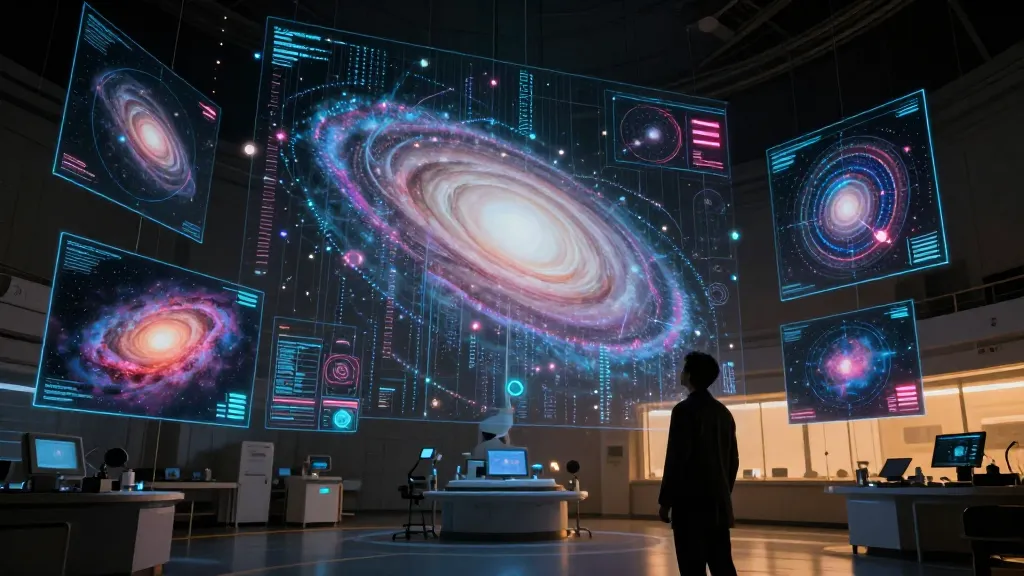
Decades of cosmic treasures have been sitting right under our noses, hidden in plain sight within the vast archives of Hubble Space Telescope images. Now, cutting-edge artificial intelligence has done what human eyes couldn’t—uncovering hundreds of previously undetected cosmic anomalies that were waiting patiently in data collected years ago.
This breakthrough represents more than just another AI success story. It’s a fundamental shift in how scientists can extract discoveries from the mountains of existing space data, proving that our greatest telescopes may have captured far more mysteries than we ever realized.
The AI Detective That Never Sleeps
Machine learning algorithms have accomplished what would have taken human researchers countless lifetimes to achieve. By systematically analyzing archival Hubble data with unprecedented precision, these AI systems identified cosmic phenomena that had escaped detection for years.
The implications extend far beyond this single discovery. As one researcher noted, “This is a powerful demonstration of how AI can enhance the scientific return of archival datasets.” This approach could revolutionize how astronomers mine existing telescope observations for new insights.
What Makes These Discoveries So Significant
The cosmic anomalies uncovered by AI represent genuine scientific discoveries that expand our understanding of the universe. These weren’t just processing errors or image artifacts—they were real phenomena that had been overlooked in previous analyses.
Key advantages of AI-driven discovery:
- Pattern recognition beyond human capability: AI can detect subtle patterns across thousands of images simultaneously
- Consistent analysis: Algorithms don’t suffer from fatigue or bias that might cause human researchers to miss anomalies
- Scale efficiency: What would take research teams years to accomplish can be done in weeks or months
Unlocking the Hidden Universe
This breakthrough highlights a remarkable reality: our most powerful telescopes have likely captured far more cosmic mysteries than we’ve discovered. The Hubble Space Telescope alone has generated petabytes of data over its decades of operation, representing an enormous untapped reservoir of potential discoveries.
The AI approach transforms these archives from static historical records into active discovery engines. Each old image becomes a potential source of new scientific insights, effectively multiplying the scientific return on our space exploration investments.
The Future of Space Discovery
This success opens exciting possibilities for applying similar AI techniques to other telescope archives. From ground-based observatories to space telescopes like Spitzer and Kepler, vast amounts of data await this kind of intelligent analysis.
What to watch for in coming discoveries:
- Similar AI applications to other major telescope archives
- New cosmic phenomena categories emerging from pattern analysis
- Collaborative efforts between AI researchers and astronomers
- Enhanced processing of current telescope observations in real-time
The marriage of artificial intelligence and astronomy is just beginning to show its potential. As these algorithms become more sophisticated and computational power continues to grow, we may find that the universe has been revealing its secrets to us all along—we just needed the right tools to see them.
This discovery proves that sometimes the most profound breakthroughs don’t require building bigger telescopes or traveling deeper into space. Sometimes, they simply require looking at what we already have with fresh, artificially intelligent eyes.