
Astronomers Discover Mysterious Glowing Iron Bar at Heart of Famous Ring Nebula After 250 Years
Scientists have found an unexplained giant iron structure glowing at the core of the Ring Nebula, a cosmic mystery that has baffled astronomers for centuries. The discovery challenges everything we thought we knew about this iconic celestial object.
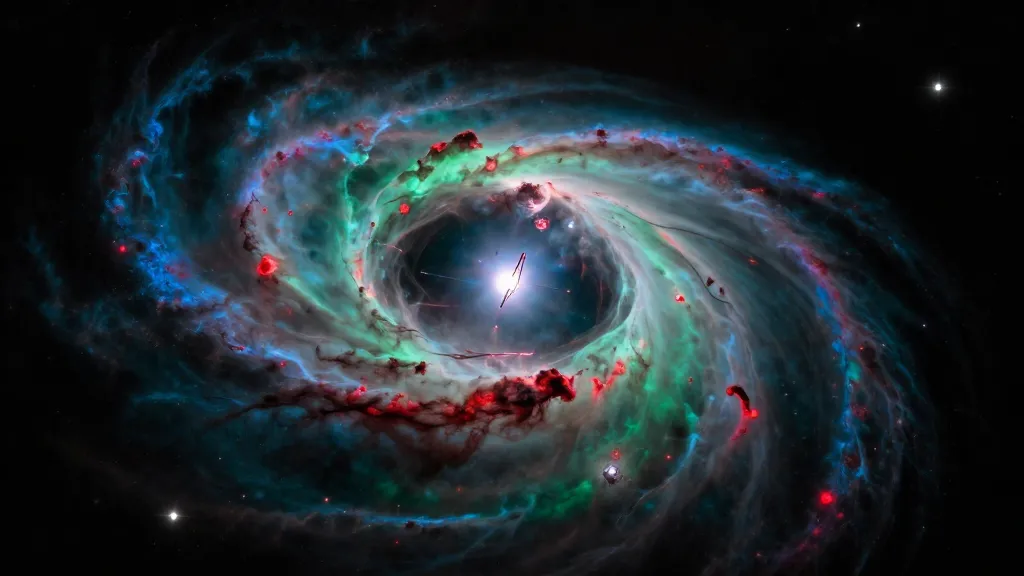
After nearly two and a half centuries of studying one of the most photographed objects in space, astronomers have stumbled upon something that has left them scratching their heads. Deep within the heart of the famous Ring Nebula lies a mysterious glowing iron bar that defies explanation – and it’s been hiding there all along.
The Ring Nebula, officially cataloged as Messier 57, has captivated stargazers and scientists since its discovery. This cosmic donut-shaped wonder, located about 2,000 light-years from Earth, has been the subject of countless studies and spectacular photographs. Yet despite all this attention, researchers have only just identified an enigmatic iron structure at its very center that no one can adequately explain.
A 250-Year-Old Mystery Gets Deeper
The Ring Nebula has been a well-known celestial landmark since the 18th century, making this discovery all the more remarkable. For generations, astronomers thought they had a pretty good handle on what makes this nebula tick – a dying star at its center surrounded by expanding shells of glowing gas. But this new finding suggests there’s far more to the story than anyone realized.
The discovery of the iron bar challenges our understanding of how these cosmic structures form and evolve. While nebulae are known to contain various elements scattered throughout their gas clouds, finding such a distinct iron structure at the core is unprecedented and puzzling.
What Makes This Discovery So Unusual
The glowing iron bar appears to be a substantial structure positioned right at the nebula’s heart. What makes this finding particularly intriguing is that iron typically doesn’t behave this way in space environments. The element usually gets dispersed or incorporated into other cosmic processes, rather than forming distinct, glowing bars.
Several aspects of this discovery have astronomers particularly puzzled:
- The iron structure’s unusual bar-like shape and orientation
- Its prominent glow despite iron’s typical behavior in space
- Its central location within the nebula’s core
- The fact that it remained undetected for so long despite extensive study
The Search for Answers Begins
Reports suggest that astronomers are now working to understand how such a structure could form and maintain its distinctive appearance. The discovery opens up new questions about the Ring Nebula’s formation history and the processes that shaped its current appearance.
Observers note that this finding could potentially reshape our understanding of how dying stars interact with their surrounding material. The presence of such an organized iron structure hints at complex physical processes that weren’t previously recognized in this type of cosmic environment.
What This Means for Space Science
The mysterious iron bar represents more than just an odd cosmic curiosity – it could be a key to understanding broader questions about stellar evolution and nebula formation. Scientists are likely to focus intense scrutiny on similar objects to see if comparable structures exist elsewhere, potentially revealing a previously unknown aspect of how stars end their lives.
This discovery also highlights how much we still don’t know about even the most studied objects in our universe. Despite centuries of observation and increasingly sophisticated instruments, space continues to surprise us with phenomena that challenge our existing models and theories.
The Ring Nebula’s glowing iron bar now joins the ranks of cosmic mysteries that remind us why space exploration and astronomical research remain so vital. Sometimes the biggest discoveries are hiding in plain sight, waiting for the right moment – or the right technology – to reveal themselves after centuries of patient observation.