
Astronomers Discover Mysterious Iron 'Bar' Hidden Inside Famous Ring Nebula
European researchers have found an unexpected bar-shaped cloud of iron inside the iconic Ring Nebula, challenging everything scientists thought they knew about how these cosmic structures form.
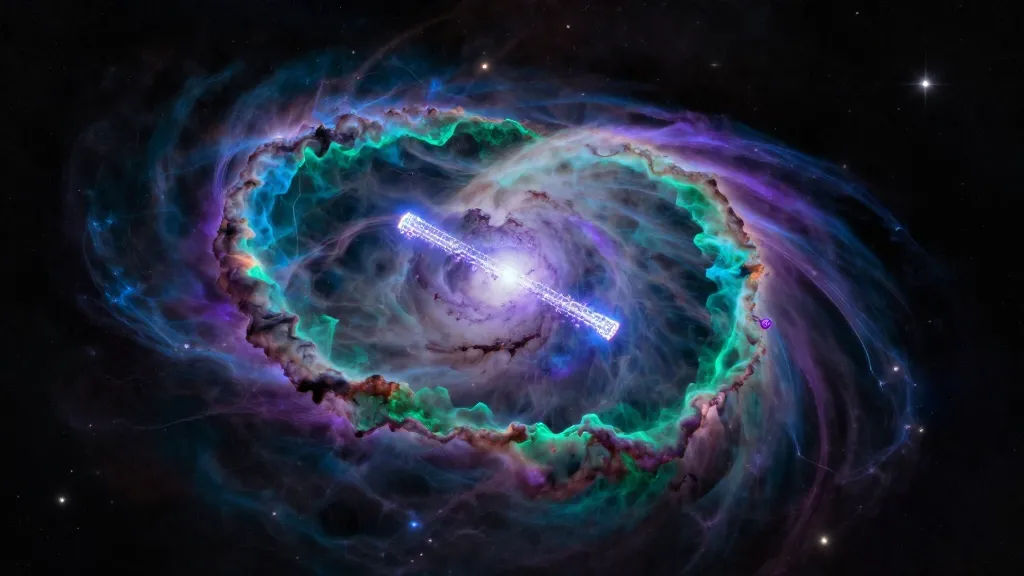
The universe has just dropped a cosmic bombshell that’s sending shockwaves through the astronomy community. Hidden inside one of space’s most beloved and photographed objects—the iconic Ring Nebula—researchers have discovered something that shouldn’t be there: a mysterious bar-shaped cloud of iron that’s completely rewriting our understanding of how these celestial structures work.
This isn’t just another pretty space picture. The Ring Nebula, located about 2,000 light-years away in the constellation Lyra, has been a favorite target for both professional astronomers and amateur stargazers for decades. Its distinctive donut shape has graced countless astronomy textbooks and desktop wallpapers. But apparently, this cosmic celebrity has been keeping secrets.
A Discovery That Changes Everything
A European research team led by astronomers at University College London (UCL) and Cardiff University made this groundbreaking discovery while studying the nebula’s composition. What they found defied all expectations: a distinct bar-shaped formation of iron lurking within the nebula’s familiar ring structure.
The discovery is particularly stunning because it challenges fundamental assumptions about how nebulae form and evolve. Scientists have long believed they understood the Ring Nebula’s structure and composition, but this iron bar suggests there are complex processes at work that current models simply can’t explain.
What Makes This Discovery So Significant
The Ring Nebula represents a type of cosmic object called a planetary nebula—despite having nothing to do with planets. These structures form when dying stars shed their outer layers, creating beautiful, glowing shells of gas and dust. The Ring Nebula has served as a textbook example of this process for generations of astronomy students.
But the presence of this iron bar throws a wrench into established theories. The formation’s unique shape and composition suggest that the nebula’s creation story is far more complex than previously thought.
Key implications of the discovery:
- Existing models of nebular formation may need significant revision
- The iron bar could indicate previously unknown stellar processes
- Other “well-understood” nebulae might harbor similar surprises
- Our knowledge of how dying stars shed material may be incomplete
The Mystery Deepens
What makes this discovery even more intriguing is that iron bars aren’t supposed to form naturally in these cosmic environments. The specific conditions required for such a structure to develop and maintain its shape within a nebula remain largely mysterious.
The research team’s findings suggest that the dying star at the center of the Ring Nebula may have gone through a more violent or complex death process than astronomers previously realized. This could mean that our understanding of stellar evolution itself needs updating.
What Astronomers Are Watching For
As news of this discovery spreads through the scientific community, researchers are already planning follow-up observations and studies. The iron bar discovery opens up entirely new questions about what other surprises might be hiding in plain sight throughout the universe.
The timing of this revelation is particularly exciting for the astronomy community, as advanced telescopes and detection methods continue to reveal hidden details in objects that scientists thought they already understood completely.
A Reminder That Space Still Surprises Us
This discovery serves as a humbling reminder that even the most studied objects in our universe can still surprise us. The Ring Nebula has been observed, photographed, and analyzed for decades, yet it took cutting-edge research techniques to reveal this hidden iron structure.
For space enthusiasts and casual observers alike, this finding represents the thrilling reality that cosmic exploration is far from over. Every new discovery, no matter how unexpected, adds another piece to the vast puzzle of understanding our universe.
The iron bar in the Ring Nebula may have been hiding in plain sight for millennia, but its discovery marks just the beginning of what promises to be a fascinating new chapter in our understanding of how stars live, die, and leave their mark on the cosmos.