
NASA Just Realized We've Been Massively Underestimating Solar Storm Danger
New NASA Goddard research reveals decades of measurement errors have left us dangerously unprepared for extreme geomagnetic storms that could cripple power grids and satellites.
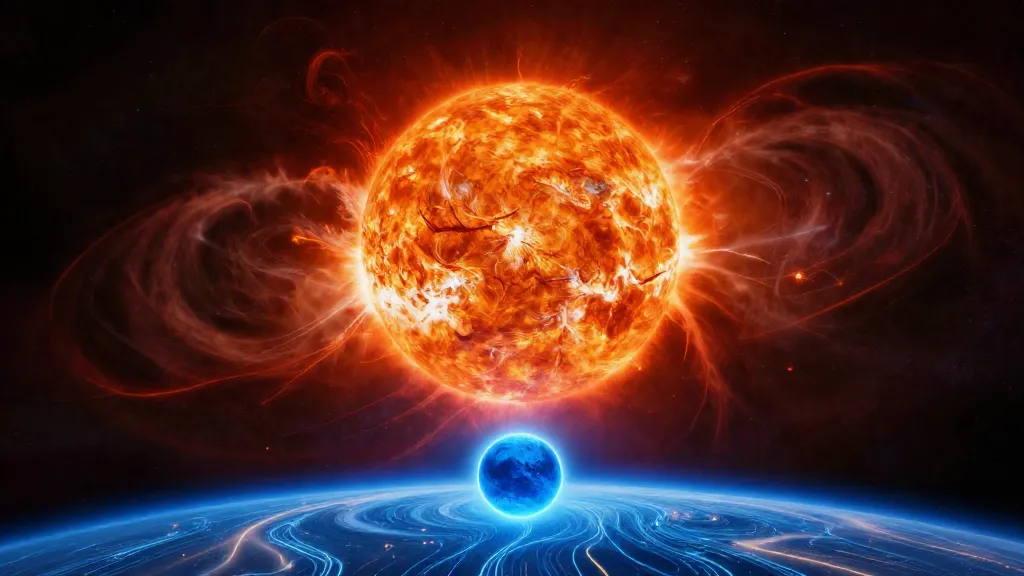
You’ve probably heard the term “once-in-a-thousand-year” storm before—it’s meant to reassure us that catastrophic events are vanishingly rare. But what if we’ve been measuring them wrong the entire time? A new discovery from NASA Goddard has upended our understanding of how dangerous solar storms actually are, revealing that decades of data have been systematically skewed by measurement errors. The implications are sobering: extreme geomagnetic events could be far more destructive than our models suggest, and our power grids and satellite networks may be far more vulnerable than we realized.
The Measurement Problem That Changed Everything
For decades, scientists have relied on historical records to estimate the intensity of past geomagnetic storms. These measurements form the backbone of how we calculate risk for future events. But NASA Goddard researchers discovered something troubling: persistent erroneous measurements have been distorting our picture of how severe these storms can actually become.
What sounds like a technical footnote is actually a major red flag. If our historical data is systematically underestimating storm severity, then our models for “worst-case scenarios” are built on faulty foundations. The storms we thought were impossibly rare and manageable might be more powerful—and more likely—than we’ve been planning for.
Why This Matters Right Now
The stakes couldn’t be higher. Geomagnetic storms occur when violent eruptions on the sun send waves of charged particles hurtling toward Earth. When these waves interact with our planet’s magnetic field, they can trigger cascading failures in power grids, disable satellites, and disrupt telecommunications infrastructure that modern civilization depends on.
A truly extreme geomagnetic event—the kind that happens roughly once every thousand years—could theoretically cripple electrical systems across entire continents. The economic damage would be staggering. Yet our current preparedness is calibrated to threats we may have significantly underestimated.
What to watch for:
- New research papers detailing the specific measurement errors identified
- Updated risk assessments from NASA and space weather agencies
- Infrastructure investment announcements from utilities and governments
- Real-time monitoring improvements for future solar activity
What Happens Next?
The discovery raises urgent questions. Are new estimates of geomagnetic storm severity being finalized? What do revised models tell us about the timeline and likelihood of catastrophic events? And critically: are power grids and satellite systems being upgraded to handle storms more severe than previously calculated?
These aren’t abstract scientific questions anymore. They’re infrastructure questions. They’re economic questions. They’re questions about whether we’re actually prepared for the space weather threat we face.
NASA’s warning is a wake-up call that our assumptions about solar storm danger have been dangerously incomplete. The good news is that we now know better. The challenge is acting on that knowledge before the next major storm arrives.