
Scientists Turn Earthquake Detectors Into Space Junk Trackers Using Sonic Booms
Researchers have discovered that earthquake sensors can detect sonic booms from falling space debris, creating an innovative new method to track dangerous orbital junk. This breakthrough could revolutionize how we monitor the growing space debris crisis threatening satellites and spacecraft.
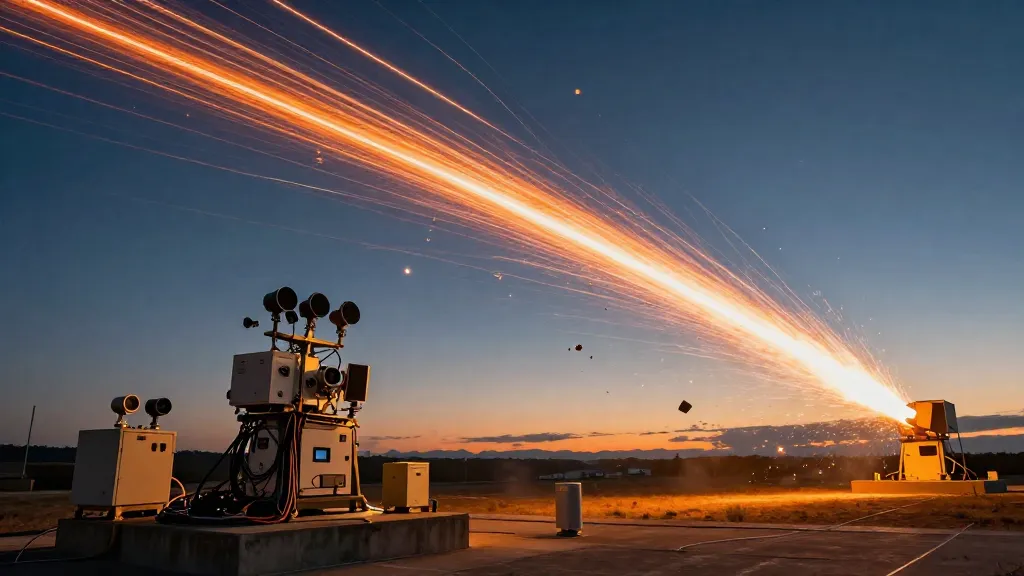
Your earthquake detector just became a space junk tracker—and it could be the breakthrough we desperately need to tackle one of the most pressing challenges facing modern space exploration. As thousands of satellites and debris pieces hurtle through Earth’s orbit, scientists have discovered an ingenious solution hiding in plain sight: the same seismic sensors that monitor earthquakes can detect the sonic booms created when space debris crashes back to Earth.
This unexpected scientific innovation represents a game-changing approach to monitoring the growing crisis of orbital debris, which threatens active satellites, spacecraft, and even the International Space Station.
The Accidental Discovery That Could Save Space
The breakthrough emerged from researchers who recognized that earthquake sensors possess capabilities far beyond their original design. These sensitive instruments, already deployed across the globe in extensive monitoring networks, can pick up the distinctive sonic signatures created when space debris reenters Earth’s atmosphere at hypersonic speeds.
When satellites, rocket parts, or other orbital objects fall back to Earth in uncontrolled reentry events, they generate powerful sonic booms as they tear through the atmosphere. These acoustic waves travel through both air and ground, creating seismic signatures that earthquake monitoring equipment can detect and analyze.
Reports suggest this method provides scientists with a new tracking capability for monitoring space debris that was previously difficult or impossible to follow during its final descent.
Why Space Junk Monitoring Matters More Than Ever
The space debris crisis has reached critical levels, with observers noting that Earth’s orbital environment has become increasingly crowded and dangerous. Every satellite launch, space mission, and orbital collision creates more fragments that pose risks to active spacecraft.
Traditional tracking methods face significant limitations when monitoring smaller debris pieces or objects during uncontrolled reentry. The sonic boom detection method could fill crucial gaps in our monitoring capabilities, providing real-time data about when and where space junk returns to Earth.
What to Watch For:
- Sonic boom patterns that indicate debris size and trajectory
- Correlation between seismic readings and known satellite reentries
- Geographic distribution of detected space debris impacts
- Timing patterns that reveal orbital decay rates
The Science Behind Sonic Boom Detection
When space debris reenters Earth’s atmosphere, it creates multiple types of acoustic and seismic waves. The objects typically travel at speeds exceeding 17,000 miles per hour, generating intense friction and pressure waves that manifest as sonic booms.
These sonic signatures differ from natural seismic events like earthquakes or volcanic activity, allowing researchers to distinguish space debris reentries from geological phenomena. The existing global network of earthquake sensors provides extensive coverage that could be leveraged for space debris monitoring without requiring new infrastructure investments.
Transforming Earth-Based Networks Into Space Guardians
The dual-use potential of earthquake monitoring networks represents a cost-effective approach to enhancing space situational awareness. Rather than building entirely new tracking systems, scientists can extract additional value from existing seismic infrastructure.
This innovation could provide several advantages over traditional space debris tracking methods:
The global distribution of earthquake sensors offers comprehensive geographic coverage, potentially detecting debris reentries over remote ocean areas or unpopulated regions where other monitoring systems have limited presence.
Real-time detection capabilities could provide immediate alerts about debris reentry events, helping authorities assess potential risks to populated areas or critical infrastructure.
Looking Ahead: The Future of Dual-Use Space Monitoring
While this breakthrough shows promise, researchers acknowledge that further development and validation will be necessary to fully realize its potential. The method represents an early-stage innovation that could evolve into a standard component of space debris monitoring systems.
The approach also highlights broader opportunities for creative solutions to space challenges, demonstrating how existing Earth-based infrastructure might be repurposed to address orbital problems.
As the space economy continues expanding and orbital traffic increases, innovative monitoring solutions like sonic boom detection could prove essential for maintaining safe access to space. The marriage of earthquake science and space debris tracking may represent just the beginning of more creative approaches to protecting our orbital environment.
This unexpected scientific crossover reminds us that breakthrough solutions often emerge from looking at familiar problems through entirely new lenses—in this case, literally listening to space junk hit Earth to better understand what’s happening hundreds of miles above our heads.