
TSMC Revenue Surges 20% as AI Chip Demand Explodes, Beating Wall Street Estimates
Taiwan Semiconductor Manufacturing Company, Nvidia's key chip supplier, reports massive Q4 revenue jump to $33.1 billion as AI boom drives unprecedented demand. The results signal continued strength in the semiconductor sector despite global economic uncertainty.
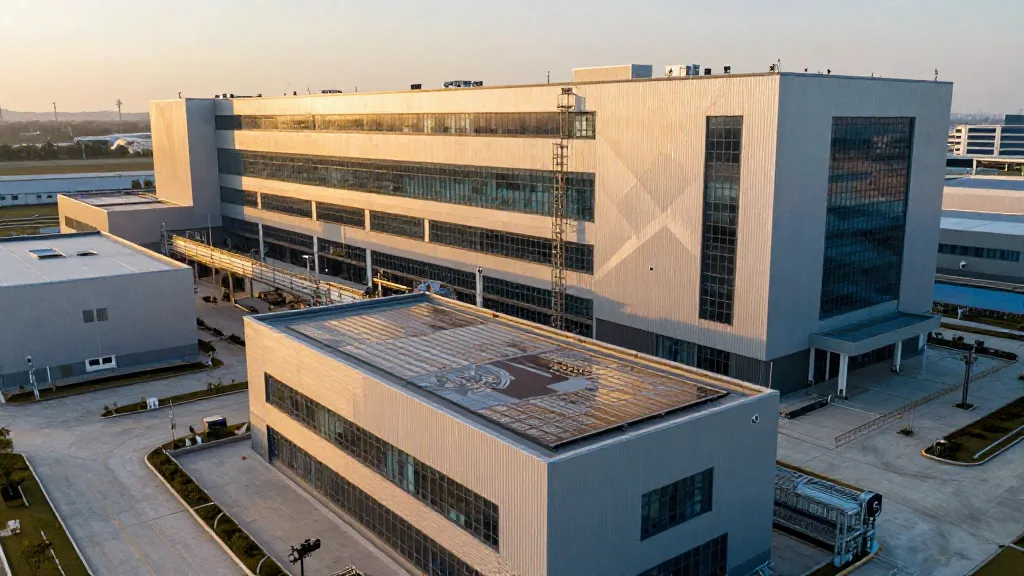
The world’s most important company you’ve probably never heard of just delivered a financial bombshell that could reshape the entire tech landscape. Taiwan Semiconductor Manufacturing Company (TSMC), the secretive chipmaking giant that powers everything from your iPhone to the most advanced AI systems, has reported revenue numbers that are sending shockwaves through Silicon Valley and beyond.
The Numbers That Matter
TSMC’s December-quarter revenue surge tells a story that extends far beyond a single company’s balance sheet. The chipmaker reported approximately NT$1.05 trillion ($33.1 billion) in quarterly revenue, representing a stunning 20% increase that easily surpassed Wall Street’s expectations.
This isn’t just impressive growth—it’s a clear signal that the artificial intelligence revolution is accelerating at breakneck speed, and TSMC sits at the very center of it all.
Why TSMC Controls the Future of AI
While Nvidia grabs headlines for its AI chip dominance, TSMC operates as the invisible backbone that makes it all possible. The Taiwanese company doesn’t design chips—it manufactures them with a precision and scale that no other company on Earth can match.
The Manufacturing Monopoly
TSMC’s position in the semiconductor ecosystem is almost impossibly dominant:
- Controls over 90% of the world’s most advanced chip production
- Serves as the exclusive manufacturer for Nvidia’s cutting-edge AI processors
- Operates the only facilities capable of producing the most sophisticated 3-nanometer chips
- Maintains technological advantages that competitors struggle to replicate
This near-monopoly means that when AI demand explodes, TSMC’s revenue explodes with it.
What This Surge Really Means
The 20% revenue jump isn’t happening in isolation. Reports suggest this growth directly correlates with unprecedented demand for AI-capable semiconductors, driven by everything from ChatGPT-style applications to autonomous vehicles and data center upgrades.
The Ripple Effects
TSMC’s success creates a cascading impact across the entire tech industry. When the company’s production lines run at full capacity to meet AI chip demand, it signals several critical trends:
The artificial intelligence boom isn’t slowing down—if anything, it’s accelerating beyond even the most optimistic projections. Companies across industries are racing to integrate AI capabilities, creating sustained demand for the specialized chips that only TSMC can produce at scale.
The Geopolitical Stakes
TSMC’s revenue surge also highlights one of the most pressing geopolitical issues of our time. The company’s location in Taiwan, combined with its critical role in global technology supply chains, makes it a focal point for international tensions.
Observers note that TSMC’s continued success is essential not just for tech companies, but for national security interests around the world. Any disruption to the company’s operations could cascade through global supply chains within weeks.
Looking Ahead: What to Watch For
As TSMC continues to ride the AI wave, several key indicators will determine whether this growth trajectory can be sustained:
- Expansion of manufacturing capacity to meet growing demand
- Development of even more advanced chip production technologies
- Geopolitical stability in the Taiwan Strait region
- Competition from other chipmakers attempting to challenge TSMC’s dominance
- Continued innovation in AI applications driving chip demand
The Broader Market Impact
TSMC’s revenue beat isn’t just good news for the company—it’s a validation of the entire semiconductor sector’s growth prospects. The results suggest that despite global economic uncertainty, demand for advanced technology continues to surge.
For investors and industry watchers, TSMC’s performance serves as a bellwether for the health of the broader tech ecosystem. When the company that makes the chips powering AI revolution reports explosive growth, it signals that the transformation of our digital world is far from reaching its peak.
The question now isn’t whether AI will continue driving demand for advanced semiconductors—it’s whether TSMC can scale its operations fast enough to keep pace with a world hungry for artificial intelligence.