
Nvidia's GPU Supply Crisis: 30-40% Production Cuts Coming in 2026
Nvidia is reportedly slashing GeForce RTX 50 series GPU production by up to 40% in early 2026 due to memory shortages, forcing gamers to choose lower-VRAM models and potentially driving up prices across the board.
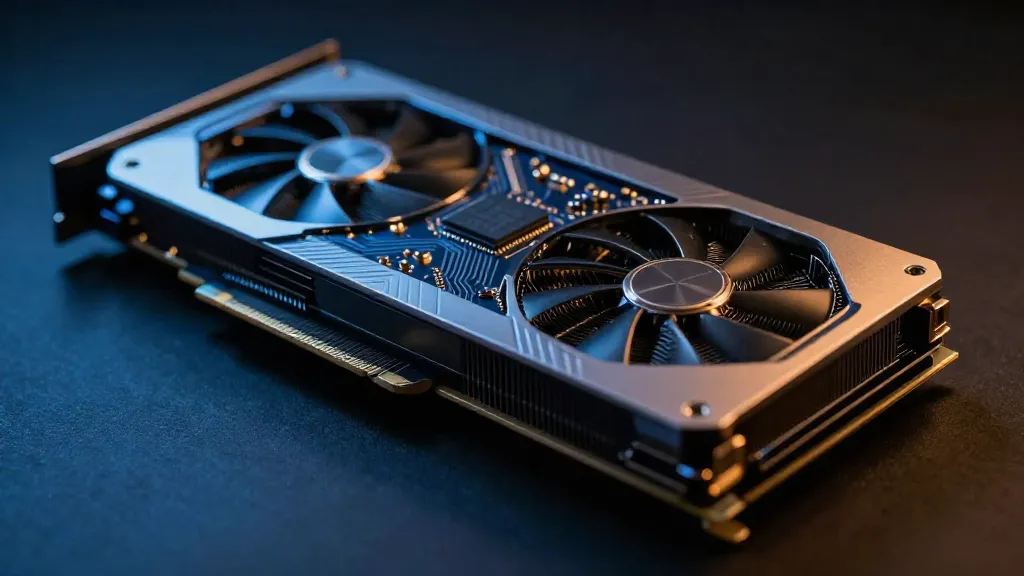
Nvidia just threw a wrench into PC gaming’s future. Reports indicate the graphics card giant is planning to slash GeForce RTX 50 series production by 30-40% in the first half of 2026—a move that will reshape what GPUs actually make it to shelves and, more importantly, what you’ll pay for them.
This isn’t a supply hiccup. This is a calculated business decision born from memory shortages that’s about to hit gamers where it hurts most: choice and your wallet.
The Memory Crunch Nobody Saw Coming
Nvidia’s production cuts stem from a fundamental shortage—not just GDDR7, but memory across the board. The company simply cannot source enough memory to keep production humming at current levels. Instead of distributing the pain evenly, Nvidia is making a ruthless choice: sacrifice the consumer GeForce lineup to protect its far more profitable RTX PRO series for data centers and professional workloads.
This is textbook supply-chain triage, and gamers are the casualty.
Which GPUs Will Disappear First?
According to reports, Nvidia is targeting cuts to specific models that offer the best value to consumers:
- RTX 5060 Ti 16GB
- RTX 5070 Ti
The strategy here is transparent and brutal. Both of these cards pack the same memory footprint as more expensive, higher-margin models. By cutting their production, Nvidia can redirect that precious GDDR7 memory to cards that command premium prices. It’s profit-maximization dressed up as necessity.
What This Means for You
The VRAM Squeeze
Nvidia’s shift will force consumers down a painful path. Want a 5060 Ti? You’ll likely get the 8GB variant instead of the superior 16GB model. That 8GB ceiling sounds fine on paper—until you’re trying to run modern AAA titles with high texture quality and watch your card throttle.
The 16GB variants exist for a reason: they future-proof your investment and handle demanding workloads without compromise. Losing access to them means settling for less capable hardware.
What to Watch For
- GPU price increases across all models as supply tightens
- Retailers pushing older-generation cards at premium pricing
- Stock-outs of high-VRAM variants becoming the norm
- Potential shift toward AMD alternatives as Nvidia inventory dries up
The Domino Effect on PC Gaming
This production cut arrives at the worst possible moment. DDR5 memory prices are already soaring, a trend that will soon ripple into GPU pricing. PC builders are already facing sticker shock on RAM; add GPU scarcity to the equation and building a new gaming PC becomes a luxury item rather than an accessible upgrade.
Manufacturers will prioritize low-memory, high-margin products. That means fewer cards built for gamers who actually want to run demanding software, and more inventory of entry-level GPUs that compromise performance for cost.
Why Nvidia Is Making This Choice
From a shareholder perspective, this makes perfect sense. RTX PRO GPUs—used in data centers, AI workloads, and professional rendering—command vastly higher margins than consumer gaming cards. If memory is the bottleneck, why waste it on $500 consumer cards when you can use it to manufacture $5,000+ professional GPUs?
The answer is simple: you don’t. Not when your job is to maximize profits.
The Bigger Picture
This supply crisis isn’t just about GPUs. It’s a symptom of a fragile global supply chain where memory production can’t keep pace with demand. Rising NAND and DRAM costs are already driving up PC prices across the board. Layer in a 40% GPU production cut, and you’re looking at a market where building or upgrading a gaming PC becomes significantly more expensive.
For gamers, 2026 is shaping up to be the year of compromise: fewer choices, higher prices, and the nagging feeling that you’re settling for less than what you really want.
The only silver lining? Competition. AMD’s Radeon lineup might finally get the attention it deserves if Nvidia’s GeForce inventory evaporates. When supply is scarce, alternatives suddenly look a lot more appealing.