
China's Driverless Delivery Vans Go Viral After Causing Road Chaos
Autonomous delivery vehicles in China have become an internet sensation for all the wrong reasons, sparking widespread discussion about the readiness of self-driving technology for public roads.
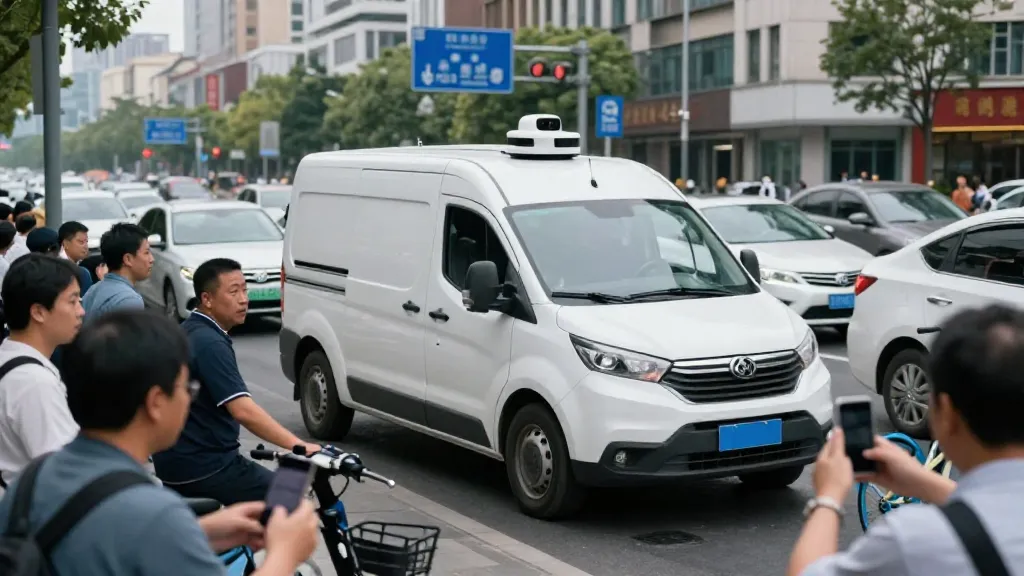
What started as a technological showcase has turned into an unexpected internet phenomenon. China’s autonomous delivery vehicles, designed to revolutionize last-mile logistics, have captured global attention—but not for the reasons their creators intended. Instead of demonstrating seamless automation, these driverless vans have become viral sensations for causing road chaos, transforming cutting-edge technology into internet memes.
When Innovation Meets Reality
The emergence of these viral videos highlights a stark disconnect between the promise of autonomous vehicle technology and its current real-world performance. While companies have invested billions in developing self-driving capabilities, the footage circulating online suggests that the technology still struggles with the unpredictable nature of public roads.
Reports suggest that these delivery vans have been involved in various traffic incidents, creating situations that range from mildly inconvenient to genuinely concerning. The viral nature of these incidents has sparked widespread discussion about whether autonomous vehicles are truly ready for widespread deployment.
The Meme Machine
Social media platforms have been flooded with videos and commentary about these wayward delivery vehicles. The autonomous vans have inadvertently become the subject of countless memes, with users sharing clips of the vehicles’ unexpected behavior on roads.
This viral phenomenon demonstrates how quickly public perception can shift when technology fails to meet expectations. What was intended to showcase innovation has instead become a cautionary tale about the challenges facing autonomous vehicle deployment.
What This Reveals About Autonomous Technology
The viral incidents involving China’s driverless delivery vans offer several key insights:
- The gap between controlled testing environments and real-world conditions remains significant
- Public roads present complex scenarios that current AI systems struggle to navigate
- Consumer confidence in autonomous technology can be fragile and easily shaken
- The importance of extensive testing before public deployment
Broader Implications for the Industry
These viral moments arrive at a critical time for the autonomous vehicle industry. Companies worldwide are racing to deploy self-driving technology, but the Chinese delivery van incidents serve as a reminder that the technology may not be as ready as promotional materials suggest.
Observers note that while autonomous vehicles have shown promise in controlled environments, the transition to public roads introduces variables that current systems may not handle effectively. The viral nature of these failures could impact public acceptance of autonomous technology more broadly.
The Road Ahead
The transformation of China’s driverless delivery vans from technological marvels to internet memes represents more than just a PR setback. It highlights fundamental questions about the readiness of autonomous vehicle technology and the pace of its deployment.
As these videos continue to circulate online, they serve as an unintended stress test for public confidence in self-driving technology. The industry’s response to these viral moments could shape the future trajectory of autonomous vehicle adoption, making this seemingly humorous internet phenomenon a potentially pivotal moment for the entire sector.
The lesson emerging from China’s viral delivery vans is clear: in the age of social media, technological failures don’t just impact operations—they become global conversations that can influence the entire future of an industry.