
Scientists Create First Artificial Neuron That Actually Talks to Your Brain
Researchers have developed the world's first artificial neuron that operates at human cell voltage and can communicate directly with living brain cells. This breakthrough could revolutionize neural interfaces and brain-computer technology.
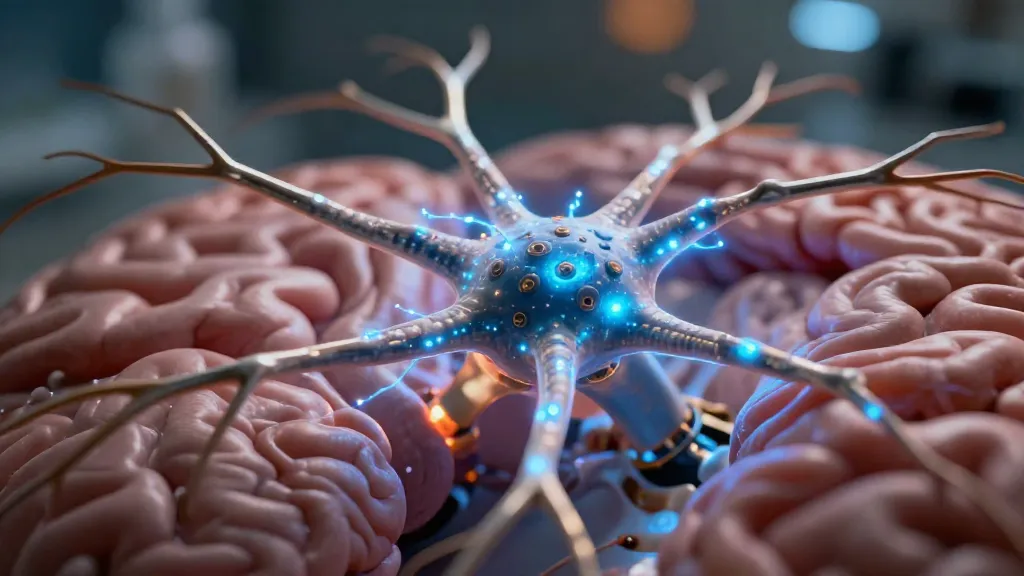
Scientists just created an artificial neuron that talks to your brain—and it actually works. This isn’t science fiction anymore. Researchers have achieved what many thought was still decades away: building an artificial neuron that operates at the same voltage as living human cells and can actually communicate with real brain tissue.
The Breakthrough That Changes Everything
The achievement represents a major leap forward in neuroscience and bioengineering. Unlike previous attempts at artificial neurons that operated at incompatible voltage levels, this new artificial cell matches the electrical specifications of human neurons perfectly. This compatibility is crucial because it means the artificial neuron can integrate seamlessly with living brain tissue.
The implications are staggering. For the first time, we have a synthetic component that can truly interface with the biological computer in our heads, opening doors to treatments and technologies that seemed purely theoretical just years ago.
How the Artificial Neuron Works
While specific technical details about the construction and operation of these artificial neurons remain limited in current reporting, what’s clear is that scientists have solved one of the fundamental challenges in brain-computer interfaces: voltage compatibility.
Human neurons operate at very specific electrical levels, and previous artificial alternatives couldn’t match these requirements. This breakthrough artificial neuron operates at human cell voltage, making direct communication with living brain cells possible for the first time.
What This Could Mean for Medicine
The medical possibilities are profound, though researchers caution that practical applications are still in early stages. Potential future developments could include:
- Advanced treatments for neurological conditions
- More sophisticated brain-computer interfaces
- Enhanced neural prosthetics
- New approaches to treating brain injuries
- Revolutionary methods for studying brain function
Observers note that this technology could fundamentally change how we approach neurological medicine, though significant research and development work remains ahead.
The Road Ahead
While this breakthrough represents a monumental achievement in neuroscience, experts emphasize that translating this discovery into practical medical applications will require extensive further research and testing. The ability to create artificial neurons that communicate with human brain cells is just the first step in what promises to be a transformative journey.
Reports suggest that this development could accelerate research into brain-computer interfaces and neural prosthetics, potentially bringing advanced treatments for neurological conditions closer to reality. However, the timeline for clinical applications remains uncertain as researchers continue to explore the full potential of this groundbreaking technology.
The creation of artificial neurons that can truly interface with human brain cells marks a pivotal moment in neuroscience—one that could reshape our understanding of the brain and our ability to repair and enhance its function.