
Smart Glasses Finally Ready for Prime Time as Android XR Looms
After years of false starts, smart glasses technology is finally maturing just as Google's Android XR platform threatens to reshape the entire wearable tech landscape. The timing couldn't be more critical for current players in the market.
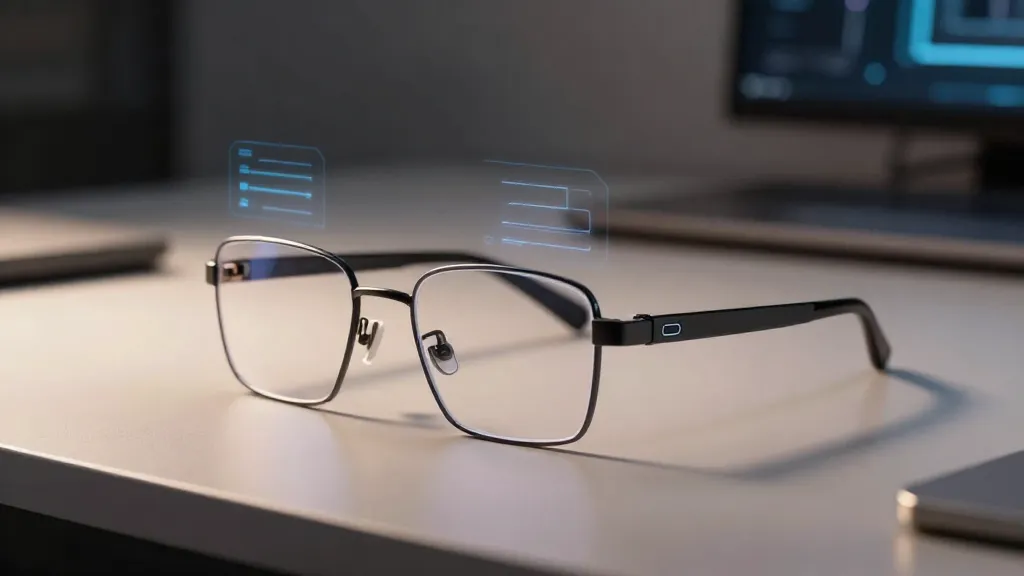
The wearable tech world is holding its breath. After years of clunky prototypes and broken promises, smart glasses are finally approaching the mainstream viability that tech enthusiasts have dreamed of for decades. But there’s a catch – just as these devices are hitting their stride, Google’s Android XR platform is preparing to potentially upend the entire category.
This convergence of maturing hardware and disruptive software creates a fascinating inflection point. Current smart glasses manufacturers who have spent years perfecting their craft now face an existential question: will their hard-won progress be enough to survive Google’s inevitable platform play?
The Long Road to Smart Glasses Maturity
Smart glasses have been the perpetual “next big thing” in consumer technology, consistently overpromising and underdelivering. From Google Glass’s premature debut to countless startup failures, the category has been littered with expensive lessons about the gap between vision and execution.
Reports suggest that recent advances in miniaturization, battery technology, and display quality have finally brought smart glasses within reach of mainstream adoption. The devices showcased at recent industry events reportedly demonstrate significant improvements in:
- Battery life extending beyond single-digit hours
- Display clarity that doesn’t strain users’ eyes
- Processing power adequate for real-world applications
- Form factor approaching conventional eyewear aesthetics
These incremental but crucial improvements represent years of engineering refinement finally paying dividends.
Android XR: The Platform That Changes Everything
Google’s Android XR platform looms as the potential game-changer that could render current smart glasses efforts obsolete overnight. While specific details about Android XR remain limited, observers note that Google’s track record with Android in smartphones suggests a comprehensive platform approach that could standardize the entire smart glasses ecosystem.
The implications are staggering. Just as Android democratized smartphone development and displaced numerous proprietary mobile operating systems, Android XR could potentially:
Standardize Development
A unified platform would allow developers to create applications that work across multiple smart glasses brands, dramatically expanding the potential user base and app ecosystem.
Accelerate Innovation
Google’s resources and ecosystem integration could fast-track features that individual manufacturers might take years to develop independently.
Reshape Market Dynamics
Companies that have invested heavily in proprietary software stacks may find themselves competing primarily on hardware while Google controls the user experience.
The Perfect Storm of Timing
The timing of these developments creates unprecedented stakes for the industry. Current smart glasses manufacturers face a narrow window where their products are finally good enough for consumers but may soon be overshadowed by a platform that makes hardware commoditized.
This dynamic mirrors historical tech disruptions where established players with superior products suddenly found themselves competing against an entire ecosystem. The question becomes whether current manufacturers can establish sufficient market presence and brand loyalty before Android XR potentially redefines consumer expectations.
What Industry Watchers Are Monitoring
Key developments to watch in the coming months include:
- Partnership announcements between Google and existing manufacturers
- Developer adoption signals for Android XR
- Consumer response to current-generation smart glasses
- Patent filings and legal positioning by major players
The Stakes Couldn’t Be Higher
For consumers, this convergence promises to finally deliver the smart glasses experience that has been promised for years. Whether through refined current-generation devices or Google’s platform play, viable smart glasses appear closer than ever.
For manufacturers, the next 12-18 months may determine whether they emerge as Android XR partners, independent competitors, or cautionary tales about the perils of platform disruption.
The smart glasses revolution appears finally ready to begin – the only question is who will be left standing when the dust settles.