
Samsung's SATA SSD Exit Could Trigger 18 Months of Storage Price Shock
Samsung is quietly winding down SATA SSD production, and industry insiders warn the move could spark unprecedented storage price increases worse than the recent RAM crisis. Budget PC builders and businesses may face panic buying and supply shortages.
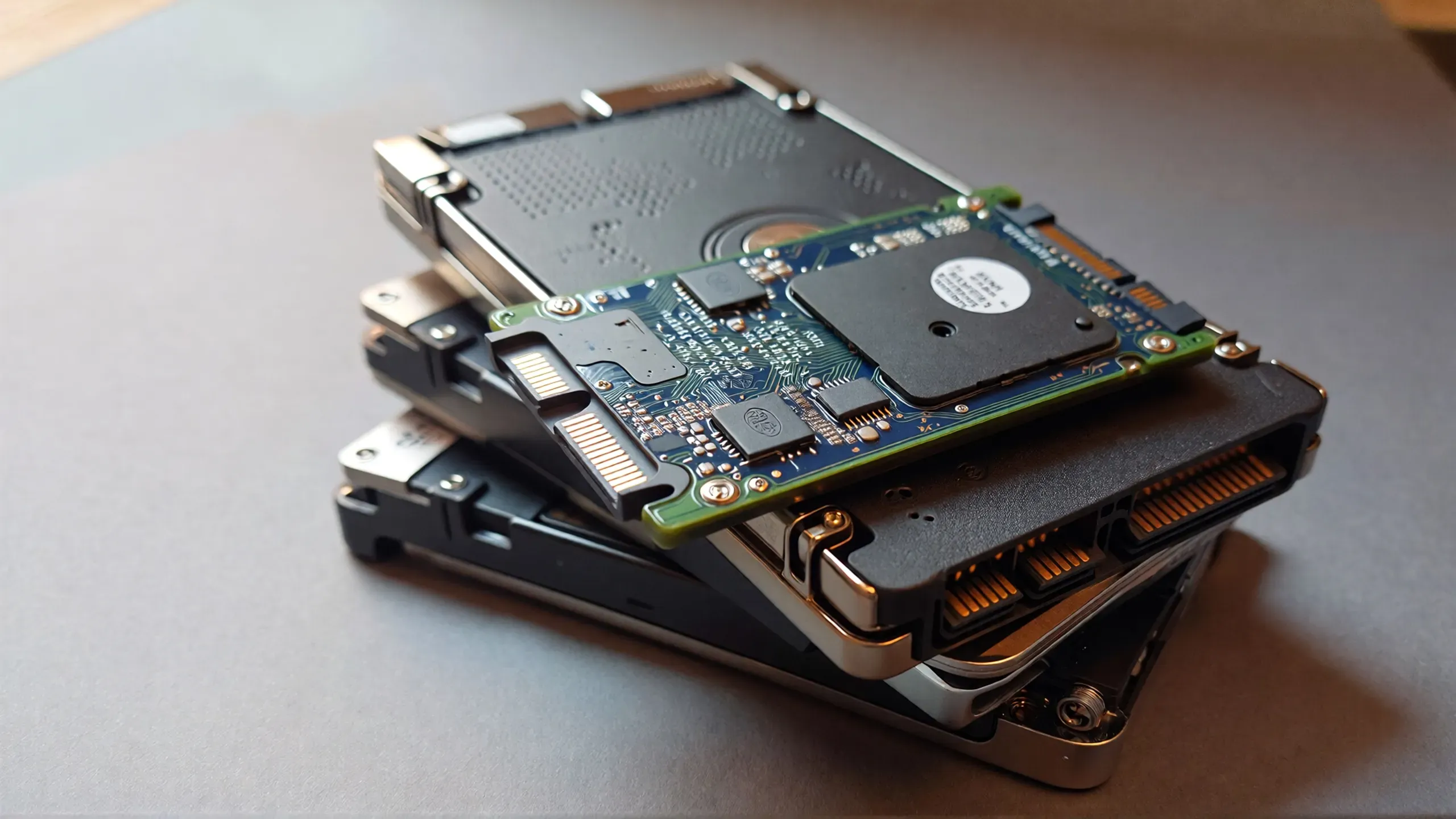
Samsung is reportedly preparing to wind down its SATA SSD business entirely—and industry insiders are sounding the alarm. According to hardware leaker Tom from Moore’s Law Is Dead, this move could spark a storage price crisis worse than anything we’ve seen in recent memory. The catch? Most people don’t realize SATA SSDs still matter, even though they seem ancient compared to blazing-fast NVMe drives.
The reality is brutally simple: SATA SSDs still dominate budget segments and retail bestseller lists. Roughly 20% of Amazon’s top-selling SSDs are SATA-based, with Samsung commanding a significant share of that market. When Samsung exits, it doesn’t just remove one brand—it eliminates actual supply from a major manufacturer, and that’s where the trouble begins.
Why This Is Different From Previous Supply Crunches
You might remember when Micron announced it was scaling back its Crucial consumer RAM brand. Tech headlines screamed about a crisis, but here’s what actually happened: Micron kept supplying DRAM chips to other brands like G.Skill and ADATA. The supply stayed the same; only the branding changed. Consumers barely noticed.
Samsung’s SATA exit is fundamentally different.
According to Tom’s sources across distribution and retail, Samsung isn’t simply rebranding or shifting production—it’s planning to end SATA SSD production entirely after fulfilling existing contracts. This isn’t a cosmetic change. It’s a genuine reduction in how many finished consumer storage products hit the market.
The implications ripple outward immediately. When one of the world’s largest NAND suppliers removes an entire product category, the overall supply shrinks. Less supply means higher prices—not just for SATA drives, but potentially across the entire SSD market as NVMe demand absorbs the freed-up NAND capacity.
What to Watch For
- Panic buying surge among budget PC builders and businesses still relying on SATA
- Price increases expected to persist for 12–18 months before stabilizing
- SATA availability becoming noticeably harder to source at retail
- Secondary market inflation as older systems get upgraded before prices spike further
- Budget PC segment facing the biggest squeeze, as enthusiasts pivot to NVMe alternatives
The Panic Buying Factor
Here’s the accelerant: once word spreads (and it will), system builders and small businesses will rush to stock up on SATA SSDs before they vanish. This artificial demand spike on top of genuine supply reduction creates a perfect storm for prices. Tom argues this panic-buying dynamic is exactly what makes Samsung’s exit “worse” than the Micron RAM situation—it cuts actual supply, not just marketing labels.
Budget builders who’ve relied on affordable SATA upgrades for years will suddenly face choices they haven’t had to make: pay inflated prices, switch to NVMe (often requiring motherboard upgrades), or wait out the shortage.
When Relief Might Come
Industry forecasts suggest the pricing pressure could ease around 2027, according to Tom’s sources. The catalyst? Manufacturers will likely pivot back toward consumer hardware as AI workloads and next-generation gaming consoles (which demand fast SSDs and massive RAM) drive new demand cycles.
But here’s the sobering part: even when prices stabilize, the era of truly cheap SATA SSDs from Samsung probably won’t return. The market may recover, but the bargain-basement pricing that defined budget storage for the past five years is likely gone for good.
The Bigger Picture
Samsung’s move reflects a brutal industry truth: SATA SSDs are yesterday’s technology, and manufacturers want to focus on higher-margin NVMe and enterprise storage. From a pure technology standpoint, it makes sense. From a consumer standpoint—especially for budget builders, small businesses, and anyone maintaining older systems—it’s a gut punch timed perfectly with existing memory price pressures.
The storage market is already stressed. DDR5 prices have surged, with reports of hikes up to 60% in some segments. Add an 18-month SATA SSD shortage on top of that, and 2026 could be a brutal year for anyone building or upgrading a PC on a budget.
The warning is out there. Whether the market listens—and whether panic buying accelerates the pain—remains to be seen.