
DOJ Releases Heavily Redacted Epstein Files as Democrats Accuse Trump of Non-Compliance
The Justice Department released a long-awaited tranche of Epstein investigation documents, but heavy redactions and incomplete compliance with the transparency law have sparked bipartisan criticism and renewed scrutiny of the Trump administration's handling of the case.
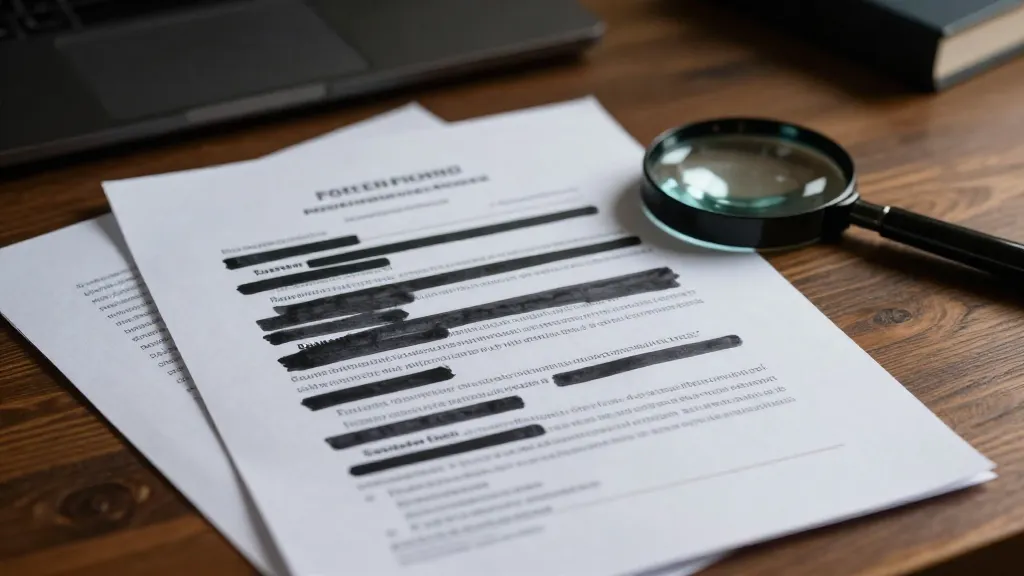
You’ve been waiting for the truth. On Friday, the Justice Department finally opened the vault—sort of. After months of legal pressure, political theater, and public outcry, the Trump administration released thousands of documents from its investigation into convicted sex offender Jeffrey Epstein. But what arrived wasn’t the bombshell transparency moment many expected. Instead, it was heavily redacted, incomplete, and already sparking accusations that the government is still hiding the full story.
The Release: What Actually Happened
The Department of Justice dropped a massive cache of files dating back to 2006, when Epstein was first investigated on child prostitution charges. The documents include photographs that show Epstein socializing with an array of prominent figures—entertainers like Michael Jackson, Chris Tucker, and Diana Ross, plus entrepreneur Richard Branson. There are also images showing Bill Clinton in a swimming pool with Epstein’s convicted accomplice Ghislaine Maxwell, and former British royal Andrew Mountbatten-Windsor.
But here’s the catch: significant portions are redacted. The identifying details of more than 1,200 victims and their family members have been blacked out. Deputy Attorney General Todd Blanche acknowledged in a letter to Congress that this is just the first batch. “The volume of materials to be reviewed … means that the department must publicly produce responsive documents on a rolling basis,” he wrote.
Why This Matters: The Law They’re Breaking (or Bending)
Congress passed the Epstein Files Transparency Act with unusual unanimity—it sailed through the Senate without opposition. The law is crystal clear: release all “unclassified records, documents, communications, and investigative materials” related to Epstein and his accomplice Ghislaine Maxwell by December 19. No wiggle room. No redactions without explanation.
Trump signed it into law on November 19, giving the Justice Department exactly 30 days to comply.
They technically released documents on the deadline. But did they actually follow the law?
What to watch for:
- Whether the Justice Department provides detailed explanations for each redaction (the law requires it)
- A full accounting of all categories of records released versus withheld
- Whether additional documents emerge on the “rolling basis” mentioned by Blanche
- Congressional response to any perceived non-compliance
The Bipartisan Backlash: When Trump Gets Criticism From All Sides
You know something’s gone wrong when Republicans join Democrats in calling you out.
Democratic Congressman Ro Khanna, who championed the transparency legislation, was blunt: “Technically they’re not in compliance.” He noted that the law demands all unclassified documents be released with explanations for redactions. “They have a lot of redactions without explanation,” Khanna said.
Chuck Schumer, the top Senate Democrat, promised to “pursue every option to make sure the truth comes out.”
But it wasn’t just Democrats. Republican Thomas Massie, hardly a Trump critic, wrote on social media that the release “grossly fails to comply with both the spirit and the letter of the law that [Donald Trump] signed just 30 days ago.”
The White House pushed back hard. Deputy Press Secretary Abigail Jackson claimed the Trump administration is “the most transparent in history” and said it “has done more for the victims than Democrats ever have.”
The Political Whiplash: How We Got Here
This wasn’t supposed to be controversial. Trump himself campaigned on releasing Epstein files. But this summer, his Justice Department announced it wouldn’t release them at all, claiming investigators had found “no incriminating client list”—a stunning reversal, especially after Attorney General Pam Bondi claimed such a document was sitting on her desk.
The backlash was immediate and fierce. Even Trump supporters demanded answers. In mid-November, House Democrats released email exchanges from Epstein’s estate, including one where Epstein claimed Trump “knew about the girls.” Trump’s press secretary dismissed this as selective leaking designed to “smear President Trump.”
Days later, Republicans released over 20,000 documents from the estate. Then Democrats released photographs highlighting Epstein’s connections to powerful figures. The jockeying continued through early December as the deadline approached.
Trump, facing mounting pressure from all directions, abruptly reversed course and backed the transparency bill. Congress passed it unanimously. He signed it. And then the Justice Department released documents with so many redactions that the cycle of accusations began anew.
What’s Actually in the Files (and What Isn’t)
The released materials include photographs of evidence—drives, computers, and other items—though their contents remain obscure. There are also mundane images: a dog in a garbage bag inside a box, travel documents, and photos of people including Bill Gates, Woody Allen, Noam Chomsky, and Steve Bannon.
The appearance of these individuals in photographs proves nothing about wrongdoing. The images are undated and provided without context. But their release has reignited questions about Epstein’s vast network and his connections to powerful people across entertainment, business, politics, and media.
The law does include a notable carve-out: materials that would “jeopardize an active federal investigation” can be withheld. This gives the Justice Department legitimate grounds for some redactions. But observers note that without detailed explanations, the public has no way to verify whether redactions serve that purpose or serve other interests.
The Bigger Picture: Will We Ever Know the Full Truth?
Experts warned even before the release that these documents may not provide a complete accounting of Epstein’s crimes or his network. The law requires the Justice Department to submit a report to Congress within 15 days listing all categories of records released and withheld, plus a summary of redactions. But that report goes to Congress, not necessarily to the public.
Epstein’s case has captivated public attention for years, spawning countless conspiracy theories—largely because his connections to wealthy and powerful figures remain murky. He died in jail in 2019 while awaiting trial on federal sex-trafficking charges. His accomplice, Ghislaine Maxwell, was convicted in 2021 and sentenced to 20 years in prison.
Trump and Epstein were friendly for at least 15 years before falling out in 2004. Trump has consistently denied knowledge of or involvement in Epstein’s crimes. But the release of these documents—and the heavy redactions surrounding them—ensures the questions will persist.
The promise of transparency has collided with the reality of selective disclosure. And the American public is left wondering: what’s in those redactions, and why?