
Hurricane Melissa: Inside Jamaica's Most Devastating Storm Ever
Hurricane Melissa brings unprecedented 175mph winds and 40 inches of rain to Jamaica, forcing even hurricane hunters to retreat. Discover why this slow-moving monster is creating a 'compound disaster' that threatens multiple Caribbean nations.
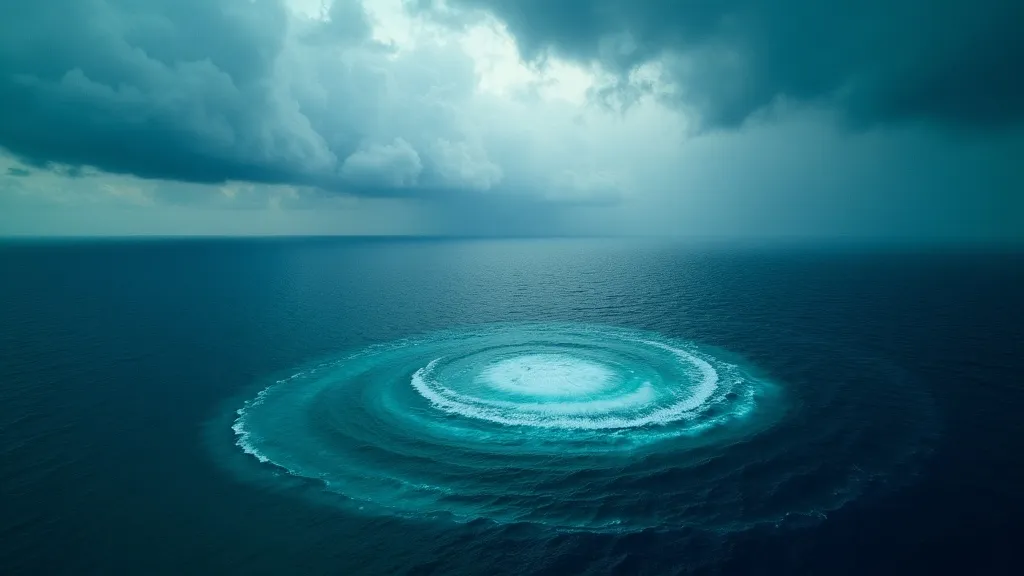
The Caribbean is no stranger to hurricanes, but what’s currently unfolding in Jamaica is unprecedented. Hurricane Melissa isn’t just another tropical storm—it’s rewriting the record books as the most powerful hurricane ever to strike Jamaica in 171 years of weather documentation. And the situation is dire.
A Monster That Even Scares the Professionals
When hurricane hunters—the specialized aircraft crews who routinely fly into these massive storms to gather critical data—abort their mission, you know something extraordinary is happening. These are the same fearless pilots who navigated through Hurricanes Katrina and Maria without issue, yet Melissa’s extreme turbulence proved too dangerous even for them.
“The conditions were simply too violent,” reported the National Hurricane Center after the aircraft turned back. “When professionals designed to monitor these storms can’t safely operate, it underscores the severity of what we’re dealing with.”
Why Melissa Is Different: The Perfect Storm of Destruction
Hurricane Melissa packs sustained winds of 175 mph, firmly placing it in the catastrophic Category 5 classification. But what makes this storm particularly devastating isn’t just its strength—it’s its pace.
Moving at a glacial 2 mph, Melissa is essentially parking over Jamaica for days. While fast-moving hurricanes deliver a brutal but brief assault, slow-movers like Melissa create what meteorologists term a “compound disaster”—multiple extreme events stacking on top of each other:
-
Unprecedented rainfall: Melissa is expected to dump 40 inches of rain—enough to fill an entire bedroom with water. This comes after October’s heavy rains have already saturated the ground, meaning flooding began almost immediately.
-
Extended wind exposure: Structures typically face hurricane-force winds for hours, not days. Melissa’s lingering presence means buildings will endure prolonged stress, significantly increasing failure rates even for well-constructed buildings.
-
Amplified mountain danger: What many don’t realize is that at higher elevations, wind speeds can increase by 30%. Jamaica’s mountainous regions could face not 175 mph winds but potentially over 225 mph—enough to completely level concrete structures.
The Science Behind the Monster
![Hurricane eye formation illustration]
Satellite imagery reveals what meteorologists call “textbook intensification”—a perfectly formed eye surrounded by symmetrical bands of thunderstorms. This perfect eye isn’t just visually striking; it’s a warning sign of extreme organization within the storm system, indicating peak destructive potential.
Fueling this monster is an unusually warm Caribbean Sea, with temperatures running 2-3 degrees above normal. “These elevated sea temperatures provide unlimited fuel for Melissa,” explains Dr. Maria Sanchez, tropical meteorologist at the National Weather Service. “It’s like giving a furnace extra oxygen—it burns hotter and longer.”
On the Ground: Communities Already Cut Off
Even before making direct landfall, Melissa’s outer bands have wreaked havoc across Jamaica. Reports from coastal communities describe roads already impassable and entire neighborhoods isolated.
“We can’t move. We’re scared,” texted one resident from Portland Parish before communications became spotty. Emergency services are already struggling to reach affected areas, and the worst is yet to come.
Jamaica’s Prime Minister addressed the nation with stark candor: “I don’t believe there is any infrastructure within this region that could withstand a Category 5 storm.” This isn’t hyperbole—it’s the reality of facing a storm of unprecedented magnitude.
Beyond Jamaica: The Path Forward
After devastating Jamaica, Melissa threatens to continue its destructive journey toward Cuba, Haiti, and the Bahamas in the coming days. Given the storm’s slow movement and maintained intensity over warm waters, these regions have time to prepare but face potentially similar impacts.
For Jamaica, though, the immediate focus is survival. With communications likely to fail completely and rescue operations impossible during the height of the storm, communities have been forced into self-reliance modes. Residents who didn’t or couldn’t evacuate are implementing last-minute measures: moving to upper floors, stockpiling drinking water, and reinforcing what shelter remains.
Climate Implications: A Glimpse of the Future?
While no single storm can be directly attributed to climate change, Hurricane Melissa exemplifies the type of intensified tropical systems that climate scientists have warned about: stronger, slower-moving hurricanes fueled by warmer seas.
“What we’re witnessing with Melissa aligns with projected patterns under continued warming scenarios,” notes climate researcher Dr. Jonathan Patel. “The combination of rapid intensification and slow movement is particularly troubling.”
How to Help
As Jamaica faces this unprecedented disaster, several organizations are mobilizing relief efforts:
- International Red Cross and Red Crescent
- UNICEF Emergency Response
- Caribbean Disaster Emergency Management Agency
- Local Jamaican relief organizations
Donations to these groups will help provide emergency shelter, clean water, and medical assistance in the storm’s aftermath.
A Sobering Reminder
Hurricane Melissa serves as a stark reminder of nature’s raw power and our continued vulnerability despite technological advances. When aircraft specifically designed to fly into hurricanes must retreat, we’re witnessing forces beyond our typical frame of reference.
As one meteorologist put it: “We don’t just measure these storms on the Saffir-Simpson scale anymore. We’re increasingly looking at compound factors—duration, rainfall, storm surge, and landfall location. By all these measures, Melissa represents a worst-case scenario.”
For Jamaica and potentially other Caribbean nations in Melissa’s path, the coming days will be among the most challenging in living memory. Our thoughts are with those in the storm’s path, facing a monster even the professionals had to flee.