
The Science Behind Why It Really Can Be Too Cold to Snow
Discover the surprising physics of why extreme cold actually prevents snowfall rather than causing it. Learn why polar regions receive less precipitation than deserts and the ideal temperature range for heavy snow.
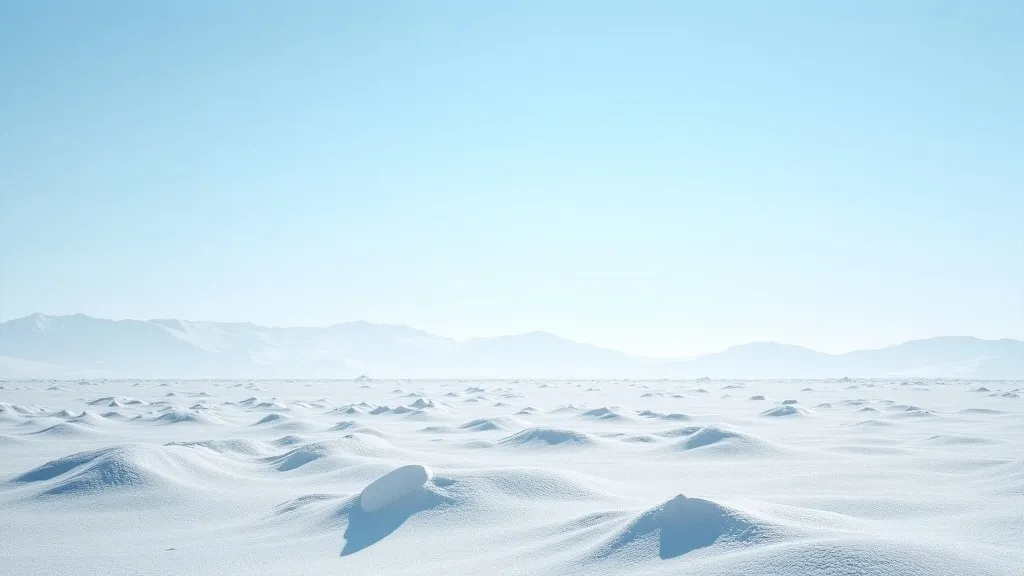
We’ve all heard someone say it during a bitter cold snap: “It’s too cold to snow.” While this might sound like weather folklore or an old wives’ tale, there’s actually fascinating science behind this statement. Contrary to what intuition might suggest, extreme cold doesn’t create more snow—it can actually prevent it entirely. Let’s explore the surprising physics that explains why the coldest places on Earth are often classified as deserts.
The Cold Truth About Winter Precipitation
When winter temperatures plummet during events like polar vortexes, have you noticed something peculiar? Snowfall often stops completely. This isn’t coincidental—it’s a direct result of how temperature affects the atmosphere’s capacity to hold moisture.
The relationship between air temperature and moisture capacity follows a clear scientific principle: cold air holds significantly less moisture than warm air. This fundamental concept explains why blizzards and heavy snowfall typically occur when temperatures hover just below freezing, rather than during extreme cold snaps.
The Physics: How Temperature Affects Atmospheric Moisture
To understand this phenomenon, let’s look at the numbers:
- At 32°F (0°C)—the freezing point—air can hold a specific amount of moisture
- At 0°F (-18°C), the air’s moisture capacity drops by approximately 80%
- At -40°F (-40°C)—temperatures often reached during polar vortex events—air holds about 100 times LESS moisture than at freezing
This dramatic reduction creates an atmosphere that’s essentially moisture-starved. When air contains so little water vapor, significant snowfall becomes physically impossible—there simply isn’t enough moisture available to form substantial precipitation.
Why Antarctica Is Actually a Desert
This science explains one of Earth’s most fascinating climate paradoxes: Antarctica, the coldest continent, is technically classified as a desert. Despite being covered in ice, parts of Antarctica receive less annual precipitation than regions of the Sahara Desert!
The air above Antarctica is so cold that it cannot hold sufficient moisture to produce regular precipitation. The interior of Antarctica typically receives less than 2 inches (50 mm) of precipitation annually, qualifying it as one of the driest places on Earth despite its icy appearance.
The Perfect Temperature for Heavy Snow
Weather data confirms that the most significant snowfalls almost always occur within a specific temperature range—between 20°F and 30°F (-6°C to -1°C). This represents the sweet spot where:
- Air is cold enough for precipitation to fall as snow rather than rain
- The atmosphere can still hold enough moisture to generate substantial precipitation
This explains why major snowstorms and blizzards rarely coincide with the season’s coldest temperatures. When Arctic air pushes temperatures well below zero, any ongoing snowfall typically tapers off dramatically.
A Weather-Watching Tip
The next time you’re monitoring a winter forecast, pay attention to temperature predictions alongside precipitation. When meteorologists call for Arctic air to move into your region:
- Expect any ongoing snowfall to diminish as temperatures plummet
- The heaviest snow will likely fall before the coldest air arrives
- Clear, bitter cold days typically follow major snow events rather than coincide with them
Beyond Too Cold to Snow
At extreme temperatures like those at the South Pole, where readings can reach -100°F (-73°C), the atmosphere’s moisture capacity becomes almost negligible. In these conditions, a phenomenon called “diamond dust” can occur—tiny ice crystals that form in the air and create a sparkling effect in sunlight. This isn’t snow in the traditional sense but rather a different form of ice precipitation that can occur even when conventional snowfall is impossible.
Conclusion: Science Confirms the Saying
So the next time someone remarks that “it’s too cold to snow,” you can confidently inform them that they’re scientifically correct. The physics of atmospheric moisture capacity demonstrates that extreme cold and heavy snowfall rarely go hand in hand.
This counterintuitive reality serves as a reminder that weather systems operate on complex principles that don’t always align with our intuitive expectations. The relationship between temperature and snowfall is just one example of how understanding the science behind weather phenomena can give us a deeper appreciation for the natural world around us.
Next winter, as temperatures fluctuate, observe this principle in action—notice how the heaviest snowfalls rarely coincide with the season’s most frigid days, and you’ll see this fascinating aspect of meteorology firsthand.