
30 Industry Insiders Reveal Shocking Secrets Companies Don't Want You To Know
From call centers recording you on hold to grocery stores trashing perfectly good food, insiders across 30+ industries expose the uncomfortable truths hiding behind closed doors. What your favorite brands really don't want you to know.
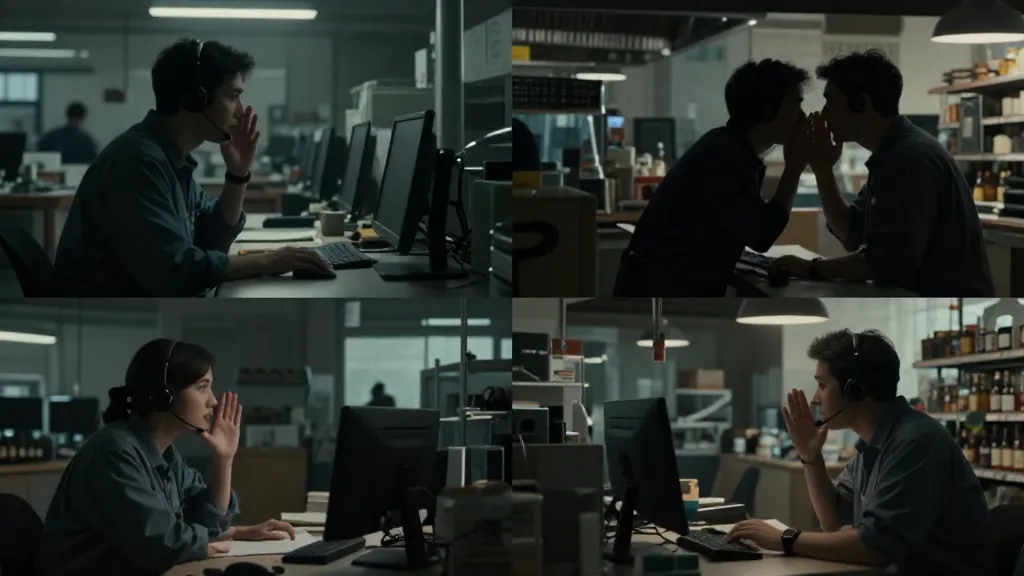
When you call customer service, they’re listening even when you think nobody’s home. The food your grocery store throws away could feed a family for weeks. Congress votes on bills nobody’s actually read. And that movie star you admire? Probably five feet tall with thinning hair in real life.
Welcome to the gap between corporate PR and operational reality—where industry insiders are finally spilling what companies hope you never find out.
The Uncomfortable Truth About What Happens Behind Closed Doors
Across healthcare, retail, tech, government, and entertainment, workers are breaking their silence about systemic inefficiencies, shocking waste, and practices that directly contradict the polished image corporations present to the world. The confessions are eye-opening, frustrating, and occasionally infuriating—because they reveal that the gap between what companies say and what they actually do is far wider than most people realize.
Call Centers: You’re Never Really On Hold
One of the most jarring revelations comes from call center software administrators. When you’re placed on hold and told your call is being recorded, that’s only half the story. The recording software captures everything—not just your conversation with the representative, but your comments to people in the background, your sighs, your complaints to whoever’s sitting next to you. You assume silence means privacy. It doesn’t.
That “higher than usual call volume” message? Often a lie. According to industry workers, companies typically lay off staff during or after downturns and simply never rehire. The message isn’t a genuine apology—it’s cover for intentional understaffing designed to cut costs, not acknowledge temporary pressure.
Medical Billing: A System Designed to Confuse You
Healthcare billing is a minefield most patients navigate blind. Medical billers report that billing mistakes are staggering in frequency, yet the average American has no idea how the system works or what an Explanation of Benefits (EOB) actually means. The result? People pay inflated bills because they don’t understand they owe less.
The system isn’t broken by accident—it’s arguably broken by design, creating just enough confusion that most people give up and pay whatever number appears on their statement.
Food Waste: The Scale Is Staggering
Grocery store employees describe food waste so massive it borders on criminal negligence. Perfectly edible products get discarded because:
- Boxes are slightly damaged (even though the inner packaging is sealed)
- Ground meat browning slightly ahead of schedule (no flavor change, just appearance)
- Items are left out of refrigeration for a few hours
- Corporate standards demand perfection over practicality
One worker recalls disposing of over 140 pounds of ground turkey simply because it was darker than the company’s standard color—perfectly safe, perfectly edible, destined for the trash instead of a food bank.
What to watch for:
- Damaged packaging that doesn’t affect product safety
- Meat slightly past peak color but well before expiration
- Items near their sell-by date with no quality issues
- Products that could easily be marked down instead of discarded
Deli workers report using “sweethearting”—giving away extra food to customers who would actually eat it rather than watching it get thrown away. One worker was fired for this act of compassion.
Retail: Recycling Theater
That recycling bin at the front of the store? In many municipalities, it’s performance art. Downtown and walkable areas are particularly guilty of this: recycling bins are emptied into the same garbage compactor as regular trash because municipalities won’t fund separate collection trucks. You’re sorting your plastic bags in good faith. They’re being landfilled anyway.
Entertainment: The Illusion Machine
Film and TV insiders reveal that nearly everyone you see on screen is wearing a wig. Wrinkles, imperfections, and physical characteristics are digitally altered using VFX. Your favorite actor is frequently much shorter than you’d expect, often dealing with thinning hair, and spends hours in hair and makeup for a role that might only appear on screen for seconds.
Even background extras—people you barely notice—spend up to an hour getting ready. The entire visual presentation is constructed, curated, and corrected.
Government: Bills Nobody Reads
Members of Congress don’t read the bills they vote on. It’s physically impossible given the volume and complexity. Instead, they rely on staffers, who rely on committee staff. The legislation shaping your life is being voted on by people who haven’t actually read it—a system that’s somehow become normalized.
Insurance: Your Attitude Matters More Than You Think
Insurance claim adjusters have leverage you might not expect. Get snippy with the wrong adjuster? You might get deemed at fault for an accident even when liability is questionable. It’s not official policy, but it happens—and it’s a reminder that how you treat service workers can have concrete financial consequences.
Education: Schools Are Being Made Scapegoats
Teachers and education administrators point out that most major issues in K-12 education originate outside the school building: poverty, unstable home environments, excessive screen time, poor nutrition, and lack of parental involvement. Schools are being blamed—and underfunded—for societal problems they can’t solve alone.
Students from stable homes with basic structure, nutrition, and reading exposure typically thrive. Students from chaotic backgrounds struggle not because of teachers, but because survival takes priority over learning. Yet schools absorb the criticism and inadequate resources.
The Broader Pattern: Corporate Efficiency Vs. Human Reality
What connects all these confessions is a pattern: corporations optimize for profit margins while externalizing human and environmental costs. Call centers cut staff. Grocery stores waste food rather than mark it down. Recycling programs are theater. Medical billing systems confuse patients into overpaying.
These aren’t isolated incidents or rogue employees. They’re systemic practices that work because the public doesn’t know they exist.
What This Means for You
The gap between corporate messaging and operational reality is real, documented, and wider than most people imagine. The next time a company tells you they’re environmentally conscious, customer-focused, or experiencing “unusual circumstances,” remember: someone inside that company probably knows better.
The insiders are talking. The question is whether anyone’s listening.