
Iran's Fragmented Opposition: Who Are the Key Players Challenging the Regime?
Iran's opposition remains divided among exiled figures including former monarch's heir Reza Pahlavi. Understanding the key players could be crucial as regional tensions escalate.
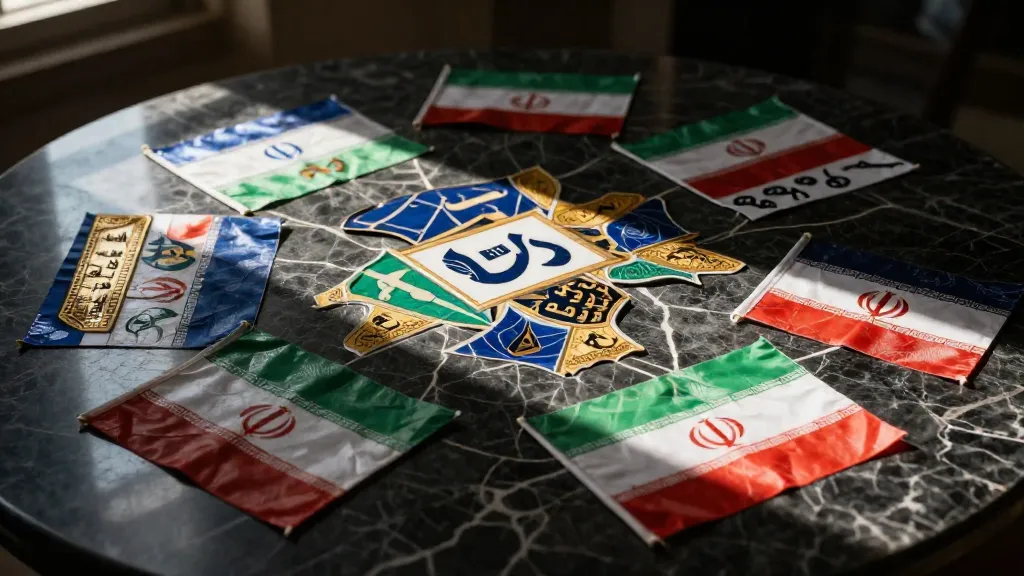
As Iran continues to face mounting regional tensions and internal pressures, understanding the landscape of opposition groups challenging the Islamic Republic has never been more crucial. While the regime maintains its grip on power, a fragmented network of exiled figures and opposition movements operates from abroad, each with their own vision for Iran’s future.
The Monarchist Movement: Reza Pahlavi’s Return to Prominence
Among the most prominent figures in Iran’s opposition landscape is Reza Pahlavi, the heir to the former Shah of Iran who was overthrown during the 1979 Islamic Revolution. Living in exile for decades, Pahlavi has positioned himself as a potential alternative to the current theocratic system.
Reports suggest that Pahlavi has gained renewed attention in recent years, particularly as younger Iranians express dissatisfaction with the current government. However, observers note that his actual support base within Iran remains difficult to measure given the restrictions on political expression inside the country.
A Fractured Opposition Landscape
The challenge facing Iran’s opposition extends far beyond any single figure or movement. The exile community remains deeply divided, with various groups holding competing visions for Iran’s political future.
Key Characteristics of Iran’s Opposition:
- Primarily based abroad due to restrictions within Iran
- Includes monarchists, republicans, and various secular movements
- Lacks unified leadership or coordinated strategy
- Faces challenges in maintaining connections with populations inside Iran
The Geographic Challenge
One of the most significant obstacles facing Iran’s opposition is the physical distance between exile communities and the Iranian population. With most prominent opposition figures living abroad, maintaining meaningful connections with citizens inside Iran proves increasingly difficult.
This geographic separation creates a fundamental disconnect between opposition rhetoric and the day-to-day realities faced by Iranians living under the current system. Critics argue that this distance weakens the opposition’s credibility and effectiveness.
Regional Implications and International Interest
As tensions continue to escalate across the Middle East, international observers are paying closer attention to Iran’s internal political dynamics. The fragmented nature of the opposition raises questions about what alternatives might emerge should the current system face serious challenges.
What Makes This Moment Different
Recent regional developments have brought renewed focus to Iran’s domestic situation. However, the opposition’s continued fragmentation means there is no clear alternative leadership structure ready to step forward should significant political changes occur.
The Unity Question
Perhaps the most critical challenge facing Iran’s opposition is the question of unity. Without a coordinated approach or shared vision, individual opposition figures and movements often work at cross-purposes, potentially undermining their collective effectiveness.
Some analysts suggest that this fragmentation actually serves the interests of the current Iranian government, as it prevents the emergence of a credible unified alternative that might attract broader international support or domestic momentum.
Looking Forward
The future of Iran’s opposition landscape remains uncertain. While figures like Reza Pahlavi continue to maintain their profiles in exile, the fundamental questions of unity, strategy, and connection to Iran’s domestic population persist.
As regional dynamics continue to evolve, the effectiveness and relevance of Iran’s fragmented opposition may increasingly depend on their ability to overcome these longstanding divisions and present a coherent alternative vision for the country’s future.