
10 Game-Changing Fitness Tips to Transform Your 2026 Workout Routine
From Japanese walking intervals to strength training without weights, discover the science-backed fitness trends that actually work. Expert tips to boost energy, mood, and cardiovascular health in the new year.
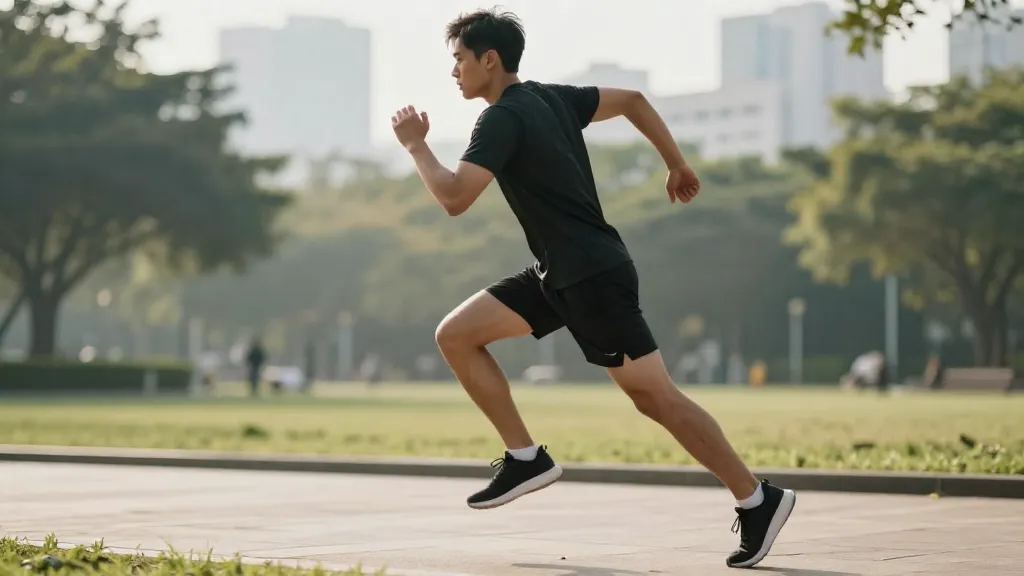
You’ve probably heard it a thousand times: “Just exercise more.” But what if the secret to transforming your fitness routine in 2026 isn’t about doing more—it’s about doing it smarter? From a viral walking trend that’s reshaping how millions move daily to strength-building methods that require zero equipment, the fitness landscape is shifting toward strategies that are both scientifically proven and actually sustainable. If you’ve ever felt lost in the noise of competing workout fads, this is your guide to the evidence-based approaches that genuinely deliver results.
The Japanese Walking Trend: Why Interval Walking Is Taking Over
You’ve probably seen it flooding social media feeds. “Japanese walking” sounds like yet another fitness fad destined for obscurity, but here’s the difference—it actually works, and the science backs it up.
The concept is elegantly simple: Walk fast for three minutes, then slow down for three minutes, and alternate between these intensities for at least 30 minutes. That’s it. No fancy equipment, no gym membership required, no complicated choreography to memorize.
What makes this approach special is what happens inside your body during those alternating intervals. Research suggests that varying your walking intensity in this way can meaningfully improve blood pressure, boost cardiovascular health, and strengthen your leg muscles more effectively than maintaining a steady pace throughout your walk. It’s the kind of low-barrier, high-impact strategy that works whether you’re a complete beginner or someone returning to fitness after time away.
Building Strength Without Weights
Not everyone has access to a fully equipped gym, and honestly, not everyone wants to spend their workout surrounded by dumbbells and machines. The good news? You don’t need weights to build real strength.
What to Watch For
- Progressive overload without equipment (increasing reps, adjusting tempo, or modifying angles)
- Bodyweight exercises that compound results over time
- Functional movements that translate to real-world strength
- Consistency over intensity when starting out
The fitness world is increasingly recognizing that resistance training doesn’t require iron. Your own bodyweight, resistance bands, or even household items can create the mechanical tension your muscles need to grow stronger. The key is understanding how to progressively challenge yourself without adding weight to the bar.
The Run-Walk Method: Your Path to Longer Distances
Already comfortable with those three-minute walking intervals? Ready to level up? The run-walk method bridges the gap between walking and running, making it possible to cover longer distances without the injury risk that comes with jumping straight into continuous running.
The principle is the same as Japanese walking—alternating intensities—but now you’re mixing running intervals with walking recovery periods. This approach allows your cardiovascular system and muscles to adapt gradually, making it accessible for runners looking to extend their endurance and walkers ready to introduce running into their routine.
Why Movement Matters Beyond the Physical
The research emerging from fitness studies in recent years reinforces what many of us intuitively know: exercise does more than strengthen muscles and improve cardiovascular markers. It boosts energy levels, lifts mood, sharpens cognitive function, and gives us compelling reasons to spend time outdoors. These benefits extend across all age groups, from young adults optimizing their athletic performance to older adults maintaining vitality and independence well into their golden years.
Making Your Daily Walk More Interesting
One of the biggest barriers to consistent exercise isn’t laziness—it’s boredom. A walk that feels monotonous is easy to skip. But when you introduce variation through interval training, your walk becomes more engaging, the time passes faster, and you’re actually challenging your body in ways that produce measurable health improvements.
The Japanese walking trend succeeded on social media partly because it solved this problem. Instead of mindlessly shuffling along at the same pace, you’re actively managing intensity, which keeps your mind engaged and your body working harder.
Easing Pain Through Strategic Exercise
One of the more counterintuitive fitness lessons gaining traction is that the right exercise can actually reduce pain rather than aggravate it. This isn’t about pushing through serious injury—it’s about understanding that strategic movement, often gentler than you’d expect, can improve mobility, reduce inflammation, and address the root causes of chronic discomfort.
Exercise Across Every Life Stage
Whether you’re 25 or 85, the fundamental principle remains: movement is medicine. The specific approaches may differ—high-impact exercises might give way to lower-impact alternatives, intensity might be modified, recovery might take longer—but the benefits of consistent exercise persist throughout our lives. The fitness trends gaining real traction in 2026 are those that recognize this reality and offer scalable, accessible options for everyone.
Your 2026 Fitness Playbook
The common thread running through all of these strategies is accessibility combined with effectiveness. You don’t need an expensive gym membership, fancy equipment, or hours of free time. You need a strategy that fits your life, produces real results, and keeps you engaged enough to maintain it.
Start with one approach—whether that’s Japanese walking intervals on your daily commute, bodyweight strength work in your living room, or a run-walk combination that gradually extends your endurance. Build consistency first, then layer in additional strategies as they become habits rather than chores.
The fitness trends that stick around aren’t the ones that promise overnight transformation. They’re the ones that work, that don’t require a complete lifestyle overhaul, and that deliver measurable improvements in how you feel and function. In 2026, that’s what actually matters.