
Scientists Discover Which Exercises Beat Antidepressants for Mental Health
A major scientific review reveals that specific types of physical activity can be as effective as medication and therapy for treating depression and anxiety. The research identifies which exercises work best and why social, guided activities show the strongest results.
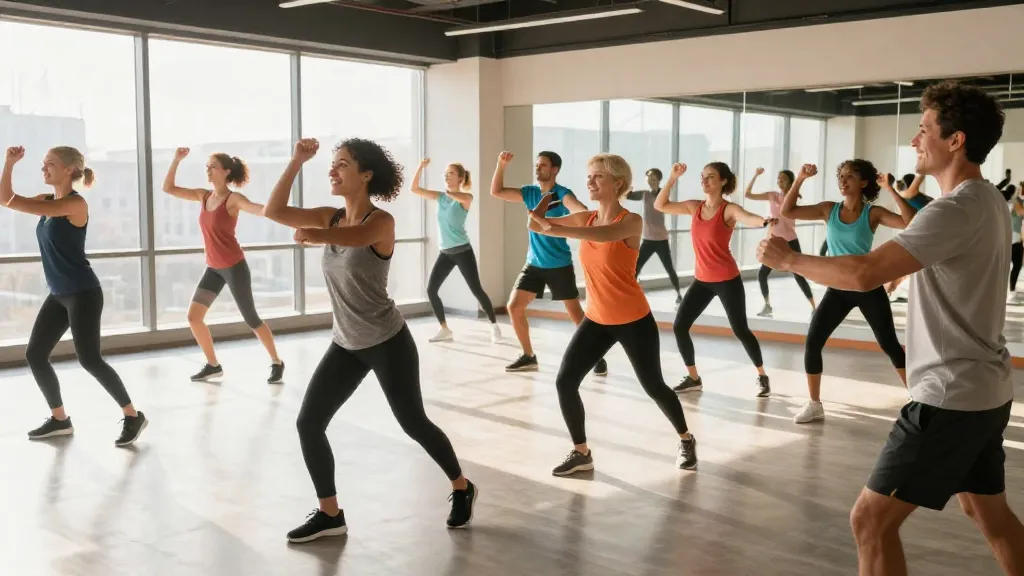
Picture this: while millions of people worldwide struggle to access mental health care due to cost, waiting lists, or side effects, the solution might be as simple as lacing up your sneakers and joining a group fitness class. A groundbreaking new research review has revealed that specific types of exercise can be just as effective as medication and psychotherapy for treating depression and anxiety—but not all workouts are created equal.
The Science Behind Exercise as Medicine
Depression and anxiety affect millions of people globally, yet traditional treatments like medication and talk therapy aren’t always accessible or suitable for everyone. Barriers including cost, stigma, lengthy waiting lists, and potential drug side effects leave many people searching for alternatives.
That’s where this comprehensive new research comes in. Published recently, the review confirms what mental health advocates have long suspected: physical activity can genuinely rival traditional treatments for some people dealing with depression and anxiety.
The key finding? Exercise works best when it’s social and professionally guided—think gym classes, running clubs, or group training sessions rather than solo workouts.
What Makes Exercise So Powerful for Mental Health
Physical activity has been promoted as a mental health treatment for years, primarily because it triggers the release of mood-boosting chemicals in the brain. But this latest research goes deeper, identifying exactly which types of movement deliver the strongest therapeutic benefits.
The evidence points to a clear pattern: structured, social exercise programs consistently outperform individual activities when it comes to mental health improvements. There’s something uniquely powerful about combining physical movement with human connection and professional guidance.
Which Exercises Work Best
While the research confirms exercise can be as effective as traditional treatments, not every type of physical activity delivers equal results. The most effective approaches share several key characteristics:
• Group-based activities like fitness classes or team sports • Professionally guided programs with qualified instructors • Social components that foster connection and community • Structured routines rather than sporadic individual workouts
These findings suggest that the mental health benefits of exercise aren’t just about the physical movement itself—the social interaction and professional support play crucial roles in the healing process.
Why This Matters Now
For people struggling with mental health challenges, this research offers hope and practical alternatives. While medication and psychotherapy remain valuable tools, they’re not the only options available. Exercise-based interventions could provide accessible, cost-effective support for those who can’t access traditional treatments or prefer non-pharmaceutical approaches.
The social aspect is particularly significant. In an era where loneliness and isolation contribute to mental health struggles, group exercise programs address multiple issues simultaneously: physical fitness, social connection, and professional guidance.
Making It Work for You
The research doesn’t suggest abandoning traditional mental health treatments, but rather highlights exercise as a powerful complementary or alternative approach. For those considering this path, the evidence points toward seeking out group activities with qualified instructors rather than going it alone.
Whether it’s joining a local running club, signing up for group fitness classes, or participating in team sports, the combination of movement, community, and guidance appears to create a uniquely effective formula for mental wellness. The science is clear: sometimes the best medicine might be found not in a pill bottle, but in a pair of running shoes and a supportive community.