
Scientists Finally Discover Why 40% of Chronic Pain Patients Develop Depression
Groundbreaking neuroscience research reveals the specific brain pattern that explains why chronic pain so often leads to clinical depression. The discovery could revolutionize treatment for millions suffering from both conditions.
For millions of people living with chronic pain, the struggle extends far beyond physical discomfort. They face a cruel double burden: not only must they endure persistent pain, but nearly half will also battle clinical depression. Until now, this devastating connection has remained one of medicine’s most puzzling mysteries.
But groundbreaking new research has finally cracked the code. Scientists have discovered a specific brain pattern that explains exactly why chronic pain so often spirals into depression—and the findings could transform how we treat both conditions.
The Hidden Brain Connection
The numbers tell a sobering story. Among adults living with chronic pain, approximately 40% develop clinical symptoms of depression. That’s nearly twice the rate found in the general population. For decades, researchers have wondered why some chronic pain patients succumb to depression while others maintain their mental health despite ongoing physical suffering.
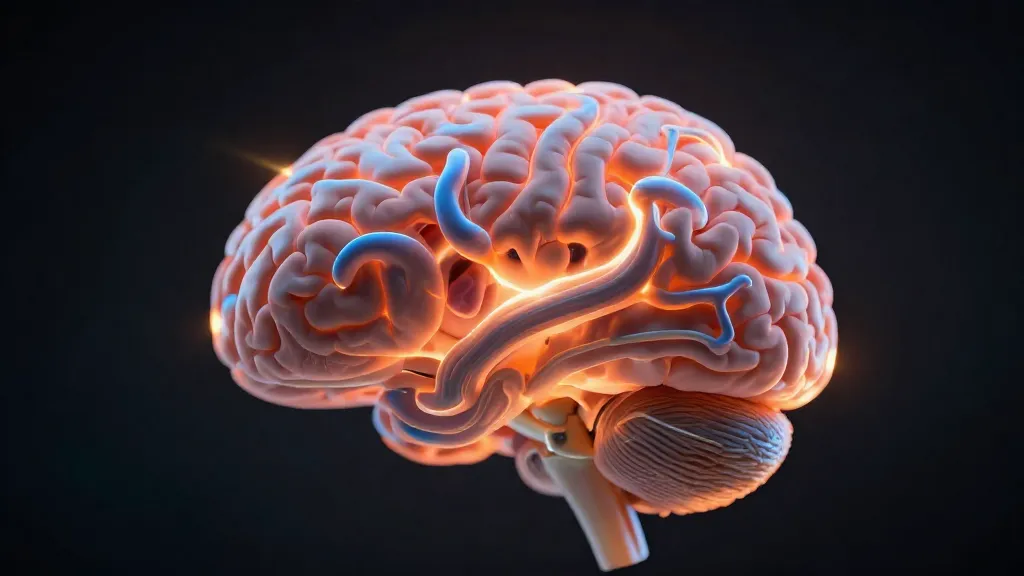
The answer, according to new research published in the prestigious journal Science, lies deep within the brain’s wiring. By analyzing neuroimaging scans from over 14,000 participants in the UK Biobank cohort, scientists have identified distinct brain patterns that predict which chronic pain patients will develop depression.
What the Brain Scans Revealed
The research team compared brain activity across different groups: people with chronic pain lasting at least seven years, those with depression, individuals with both conditions, and healthy controls. What they discovered was remarkable—a specific neural signature that appears in people whose chronic pain has led to depression.
This brain pattern represents more than just correlation; it reveals the biological mechanism that transforms physical pain into emotional suffering. The discovery validates what chronic pain patients have long known but struggled to explain: their depression isn’t a character flaw or inability to “cope”—it’s a measurable, biological response happening in their brains.
Why This Changes Everything
Understanding the biological basis of the pain-depression connection represents a seismic shift in how we view these interconnected conditions. For too long, patients have faced skepticism about their symptoms or been told their depression was simply a psychological reaction to pain.
Key implications of this discovery include:
- Validation for patients whose experiences have been dismissed or minimized
- Evidence-based support for treating pain and depression as interconnected conditions
- Potential for developing targeted therapies that address the root brain patterns
- Better screening tools to identify at-risk patients before depression develops
- Hope for more effective treatment combinations
The Road to Better Treatment
This breakthrough opens exciting possibilities for treatment innovation. If scientists can identify the specific brain circuits involved in the pain-depression connection, they may be able to develop interventions that target these pathways directly.
Reports suggest that future treatments could include precision medicine approaches, where brain imaging helps doctors predict which patients are most likely to develop depression and intervene early. Observers note that this could lead to combination therapies designed to address both the pain signals and the depression-prone brain patterns simultaneously.
Hope for Millions
For the estimated millions of people worldwide living with both chronic pain and depression, this research offers something precious: scientific validation and genuine hope. The discovery that their depression has identifiable, biological roots provides both explanation and optimism for better treatments ahead.
While researchers continue to investigate the full implications of these findings, one thing is clear: we’re entering a new era of understanding chronic pain and its devastating companion, depression. The brain patterns that link these conditions are no longer hidden—and that knowledge may finally lead to the breakthrough treatments patients desperately need.