
Eating 9+ Ultra-Processed Foods Daily Raises Heart Attack Risk, New Study Warns
American College of Cardiology research reveals that consuming more than nine servings of ultra-processed foods daily significantly increases your risk of heart attack and stroke. Here's what you need to know about protecting your heart through better food choices.
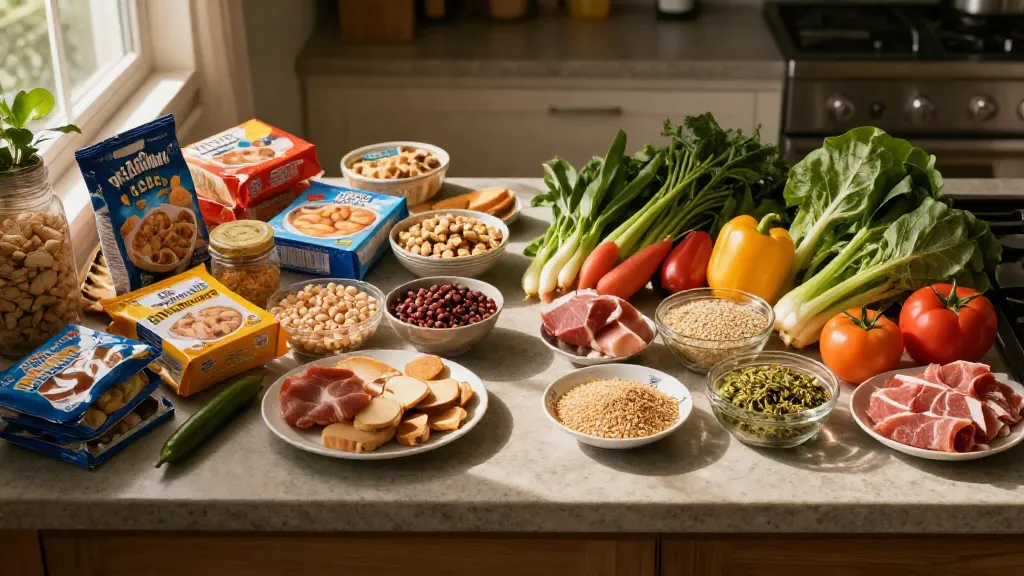
Your morning breakfast sandwich, afternoon chips, and evening frozen dinner might seem like convenient choices, but new research from the American College of Cardiology suggests these ultra-processed staples could be putting your heart at serious risk. The findings reveal a stark connection between our modern eating habits and cardiovascular disease that’s impossible to ignore.
The Nine-Serving Danger Zone
According to the American College of Cardiology study, people who consume more than nine servings of ultra-processed foods daily face a significantly higher risk of heart attack and stroke. This threshold represents a critical tipping point where convenience foods transform from occasional indulgences into genuine health threats.
The research highlights just how easy it is to cross this dangerous threshold. Ultra-processed foods have become deeply embedded in the American diet, with millions of people unknowingly consuming well beyond the nine-serving limit that researchers identified as problematic.
What Counts as Ultra-Processed?
Understanding what qualifies as ultra-processed food is crucial for protecting your heart health. These products typically undergo extensive industrial processing and contain ingredients you wouldn’t find in a home kitchen.
Common Ultra-Processed Foods Include:
- Packaged snacks and chips
- Frozen meals and ready-to-eat dinners
- Breakfast cereals with added sugars
- Processed meats like hot dogs and deli cuts
- Soft drinks and energy drinks
- Commercial baked goods and pastries
The Heart Connection Explained
The link between ultra-processed foods and cardiovascular disease extends beyond simple calorie counting. These products often contain high levels of sodium, added sugars, unhealthy fats, and chemical preservatives that can contribute to inflammation and arterial damage over time.
Reports suggest that the cumulative effect of consuming these foods regularly creates a perfect storm for heart disease development. The convenience that makes these products appealing also makes them easy to overconsume, leading many people to unknowingly exceed safe consumption levels.
Taking Action for Your Heart
The good news is that this research provides a clear roadmap for reducing your cardiovascular risk through dietary changes. Even small adjustments to your eating patterns can make a meaningful difference in your heart health trajectory.
Key Warning Signs to Watch For:
- Eating packaged snacks multiple times daily
- Relying on frozen meals for most dinners
- Consuming sugary drinks regularly
- Choosing processed breakfast options over whole foods
Making the Switch to Heart-Healthy Options
Transitioning away from ultra-processed foods doesn’t require a complete dietary overhaul overnight. Observers note that gradual changes tend to be more sustainable and effective than dramatic restrictions.
Focus on incorporating more whole foods like fresh fruits, vegetables, lean proteins, and whole grains into your daily routine. Even replacing just a few ultra-processed items with minimally processed alternatives can help bring your consumption below the nine-serving threshold identified in the research.
The Bigger Picture
This study adds to a growing body of evidence linking ultra-processed food consumption to various health problems beyond heart disease. The findings serve as a wake-up call about the hidden costs of our convenience-driven food culture and the importance of making informed dietary choices.
While the research provides compelling evidence about the risks, it also empowers individuals to take control of their heart health through conscious food decisions. Understanding the nine-serving threshold gives people a concrete target for reducing their cardiovascular risk through better eating habits.
The path to better heart health may be as simple as reading labels more carefully, cooking more meals at home, and choosing whole foods over processed alternatives whenever possible.