
The Hidden Way Your Favorite Snacks Are Destroying Your Gut Health
Food preservatives designed to keep your groceries fresh longer are quietly altering the beneficial bacteria in your digestive system. New research reveals how everyday ultra-processed foods are damaging your gut microbiome in ways scientists are just beginning to understand.
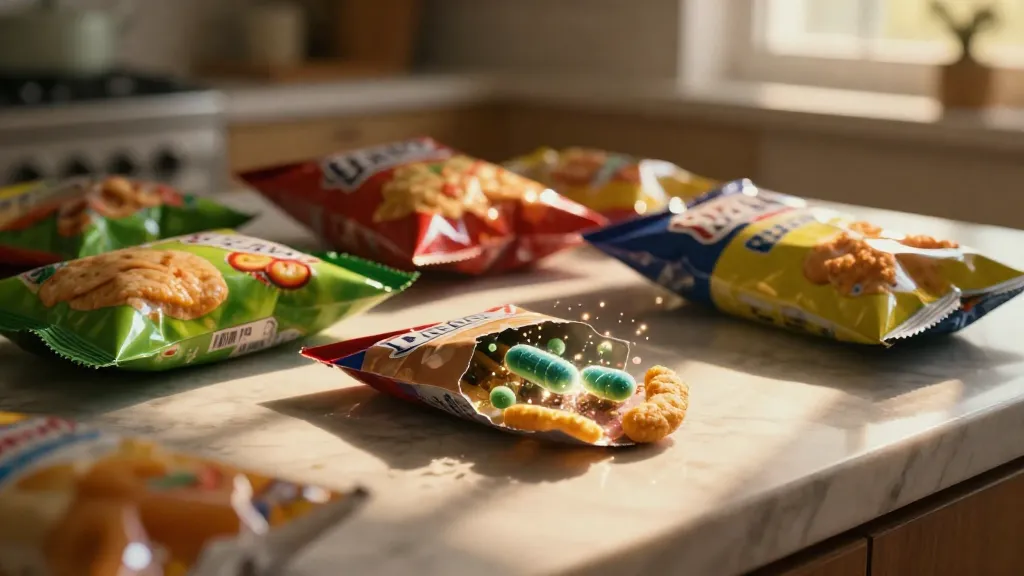
That innocent-looking bag of chips in your pantry might be waging a silent war against your digestive system. While you’re focused on calories and sugar content, a growing body of research suggests the real threat could be lurking in the fine print of ingredients lists—those unpronounceable preservatives designed to keep your food fresh for months.
The Invisible Battle Inside Your Gut
Your digestive system houses trillions of beneficial bacteria that work tirelessly to support your immune system, aid digestion, and even influence your mood. This complex ecosystem, known as your gut microbiome, thrives on diversity and balance. But reports suggest that the very additives designed to extend shelf life are quietly disrupting this delicate biological harmony.
The preservatives keeping your favorite snacks fresh aren’t just stopping spoilage—they’re potentially altering the composition of microbes living in your intestines. While these additives undergo safety testing for human consumption, scientists are discovering their effects on gut bacteria weren’t fully anticipated.
What Makes Ultra-Processed Foods Different
Ultra-processed foods go far beyond simple preservation. These products typically contain multiple additives that work together to maintain texture, color, flavor, and freshness during long storage periods. Unlike minimally processed foods that might contain one or two preservatives, ultra-processed options often feature complex combinations of chemicals designed for maximum shelf stability.
The Microbiome Connection
Your gut microbiome impacts far more than just digestion. Research indicates this bacterial ecosystem plays crucial roles in:
- Immune system function and inflammation response
- Nutrient absorption and metabolism
- Mental health and mood regulation
- Protection against harmful pathogens
- Overall digestive wellness
When beneficial bacteria populations shift or decline, the effects can ripple throughout your entire body, potentially affecting everything from your energy levels to your susceptibility to illness.
The Preservation Paradox
The irony is striking: additives designed to preserve food freshness may be compromising the freshness of your internal biological systems. While these preservatives successfully prevent harmful bacteria from growing in packaged foods, observers note they don’t discriminate between “good” and “bad” bacteria once they reach your digestive tract.
This creates what some researchers describe as an unintended biological consequence—the same properties that make preservatives effective at stopping spoilage might also interfere with the beneficial microbes your body depends on for optimal health.
What the Science Reveals
Current research suggests that regular consumption of ultra-processed foods correlates with reduced microbial diversity in the gut. A healthy microbiome typically features hundreds of different bacterial species working in concert, but diets high in processed foods appear to favor certain bacterial strains while suppressing others.
The implications extend beyond immediate digestive comfort. Scientists are exploring connections between altered gut bacteria and increased inflammation, changes in immune response, and even impacts on mental health through the gut-brain connection.
Hidden in Plain Sight
The challenge for consumers lies in identifying these potentially problematic additives. Many preservatives hide behind technical names or appear as part of longer ingredient lists. Common culprits include various sulfites, nitrates, and synthetic antioxidants, though the full scope of which specific additives pose the greatest risk remains an active area of research.
Taking Control of Your Gut Health
While the research continues to evolve, there are practical steps you can take to support your microbiome health. Reducing reliance on ultra-processed foods doesn’t mean eliminating convenience entirely—it means making more informed choices about which processed foods you consume regularly versus occasionally.
Consider focusing on foods with shorter ingredient lists, choosing options with recognizable components, and balancing processed convenience foods with fresh, minimally processed alternatives. Your gut bacteria thrive on dietary diversity, so incorporating a variety of fiber-rich foods can help maintain a robust microbial ecosystem.
The connection between food preservatives and gut health represents a fascinating intersection of food science and human biology. As researchers continue to unravel these complex relationships, one thing becomes clear: the foods we choose don’t just feed us—they feed the trillions of microbes that call our bodies home.